

Artificial Intelligence (AI) is simply the capacity of a machine to imitate human intelligence. In AI technology, machines are coded with all the essential knowledge needed for them to replicate human behaviour and thought processes. An example of this is software that can consider what a typical person would do when placed in different scenarios. There are also programs that can compose comprehensive articles on various themes such as gambling (used on blogs of online casinos slike SpinFever), politics, sports, and culture among others.
AI wasn’t a newfound phenomenon that suddenly surfaced on the world stage. Carnegie Mellon and other universities have long invested in researching this field, and today we can observe years of toil by multiple corporations, research groups, and universities reaching their apex.
AI has become an intricate part of our daily lives, without us even being aware. From healthcare to entertainment and more, we are using artificial intelligence in a multitude of ways. And the growth is only projected to increase; according to Statista’s reports, this technology will see a 54% rise annually. Contrary to the common belief, AI is not utilized uniformly. In actuality, there are three main varieties of this technology:
- Weak AI – Here, the technology works within certain limitations. We use this version every day in products like Siri and Alexa.
- Strong AI – Refers to artificial intelligence systems that possess human-like intelligence and cognitive abilities.
- Super AI – A hypothetical form of artificial intelligence that surpasses human intelligence in virtually every aspect.
Where Does AI Excel?
AI-driven technology can be of immense help in eliminating human errors. That is because machines programmed with AI have a tremendous storage capacity for knowledge and can execute advanced algorithms. If put into use correctly, these features will contribute significantly towards boosting productivity levels.
Various studies have shown that humans are productive only up to 3-4 hours per day. Besides, workers need frequent breaks to keep up their productivity levels, This isn’t the case with AI-powers tools, which can be used 24x 7 and at any time of the day. Needless to say, these tools can be more productive than humans.
Many websites have begun using chatbots as virtual assistants, thus doing away with manual intervention. You can communicate with these digital assistants while seeking help, getting answers, or for other subjects. The best part is these virtual assistants are available most of the time.
Humans base their decisions on sentiments and emotions. However, the degree of subjectivity varies from one person to another. This isn’t the case with AI-powered machines and robots. These tools take rational decisions and don’t get swayed by emotions. Perhaps, this is the biggest strength of Artificial Intelligence. You can also use AI in repetitive tasks or jobs that involve boredom. This way, you can perform other more important tasks. Many people also use this technology while finding things, anticipating the weather, or finding the traffic situation on the streets.
AI Is Not Without Its Challenges
Artificial Intelligence is all about efficiency and low risks, no doubt about that. However, this is an expensive technology and requires a high cost of maintenance as well. On top of that, this technology usually works on previous data. For example, you can use a bot to write company analyses for Forbes based on historical earning statements and other past information. You cannot predict what’s going to happen to that company next year or even a few months afterward. This means, AI can’t think out of the box and this is a big limitation.
It is also feared by many that the spreading of AI technology will lead to mass unemployment, eventually leading to social unrest. However, we cannot prevent this situation because private enterprises and profits are linked together and companies will do everything to shore up their bottom lines.
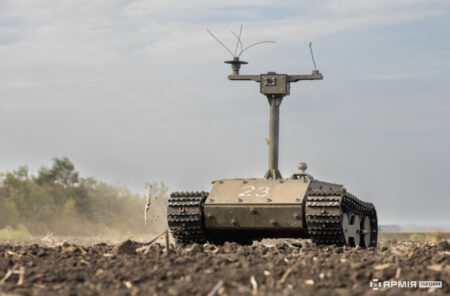
Finally, there are questions of ethics. How do we define AI safety and security? Who is responsible for ensuring that AI remains safe and beneficial? What are the ethical implications of using AI applications, such as autonomous weapons or facial recognition systems? These questions need to be answered to ensure that the deployment of Artificial Intelligence is done safely and responsibly.
Follow Canada News Media
Get the day's top Canadian stories and our two daily 60-second news videos wherever you scroll.
X Threads Facebook Instagram LinkedIn TikTok YouTube Pinterest Reddit Substack Flipboard Newsletter RSS