

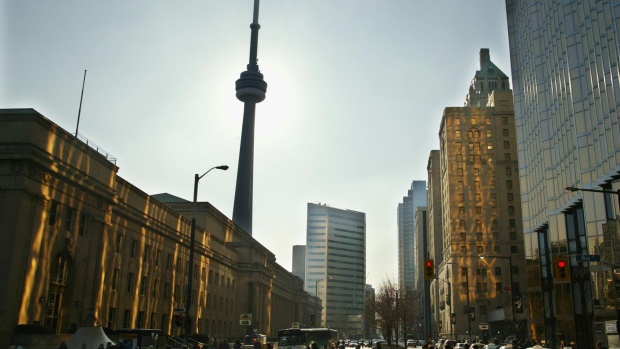
Are you dreaming of becoming a restaurant owner in the vibrant city of Toronto? With its diverse population and thriving culinary scene, Toronto offers an excellent opportunity for aspiring restaurateurs to make their mark.
Whether you’re a seasoned entrepreneur or a first-time business owner, selecting the right neighborhood is crucial to your restaurant’s success.
In this article, we’ll explore some of the most popular neighborhoods in Toronto for restaurant ownership, helping you make an informed decision that aligns with your vision and goals.
The Culinary Landscape of Toronto
Before we delve into specific neighborhoods, let’s take a moment to appreciate Toronto’s culinary scene. The city’s multicultural makeup has led to a rich tapestry of cuisines, from traditional Italian trattorias to contemporary fusion eateries.
Toronto’s residents and visitors alike have a penchant for exploring new tastes and dining experiences, creating a favorable environment for restaurateurs. This dynamic culinary landscape has contributed to the city’s reputation as a global food hub.

When considering neighborhoods for your restaurant, several factors come into play, including foot traffic, target demographics, local competition, and available opportunities.
Factors to Consider in Choosing a Restaurant Location
Choosing the right neighborhood for your restaurant requires a comprehensive assessment of various factors to ensure that the location aligns with your concept, target audience, and long-term goals.
Here are the key factors to consider when selecting a restaurant location:
- Demographics: Understand the demographics of the area, including age groups, income levels, and cultural backgrounds. This insight helps tailor your menu and ambiance to resonate with the local population.
- Competition: Research existing restaurants in the vicinity. Healthy competition can indicate a thriving dining scene, but excessive competition might pose challenges.
- Foot Traffic: High foot traffic areas, such as downtown or tourist districts, can attract a steady stream of customers. Evaluate the potential for walk-ins.
- Accessibility: Ensure the neighborhood is easily accessible by public transport and has adequate parking options.
- Local Attractions: Proximity to cultural attractions, parks, or landmarks can draw in both locals and tourists.
- Available Opportunities: Take advantage of current market trends, such as the availability of top Toronto restaurants for sale and growing demand for plant-based and vegan options. This can provide a head start in establishing your presence in the city’s culinary landscape.
Now, let’s explore some of the popular neighborhoods in Toronto that offer exciting prospects for restaurant ownership.
1. Downtown Core
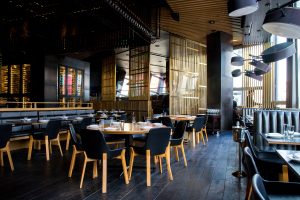
A Food Lover’s Paradise
The heart of Toronto is a bustling hub of activity, making it an ideal location for restaurants targeting both locals and tourists. The diverse range of dining preferences in the downtown core presents an opportunity to cater to various tastes.
2. Kensington Market

Bohemian Charm and Eclectic Eateries
Kensington Market is known for its artsy and unconventional atmosphere. The neighborhood’s bohemian spirit extends to its eateries, where you can experiment with unique concepts and flavors.
3. Queen Street West

Trendy and Artistic Dining Destination
Queen Street West combines art, fashion, and food in a harmonious blend. The neighborhood’s creative energy can inspire innovative restaurant concepts that appeal to a trendy crowd.
4. Leslieville
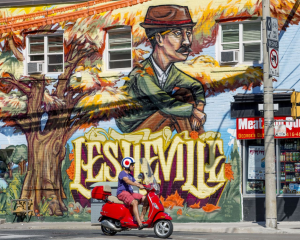
Photo: MARCUS OLENIUK / TORONTO STAR
A Blend of Hip and Traditional
Leslieville offers a blend of hipster culture and traditional charm. Restaurants here can tap into the neighborhood’s friendly and community-driven vibe.
5. Yorkville

Upscale Dining and Elegance
Yorkville is synonymous with luxury. If your vision includes an upscale restaurant with an elegant ambiance, this affluent neighborhood might be the perfect fit.
6. Little Italy

Italian Culinary Haven
Little Italy celebrates Italian heritage and cuisine. If you have a passion for crafting authentic Italian dishes, this neighborhood provides a welcoming audience.
7. Chinatown

A Fusion of Flavors and Culture
Chinatown is a feast for the senses, offering a diverse range of Asian cuisines. Restaurants here can cater to adventurous eaters seeking bold and authentic flavors.
8. The Beaches

Laid-Back Atmosphere and Fresh Seafood
The Beaches neighborhood offers a relaxed atmosphere and is particularly appealing during the warmer months. Seafood-focused eateries can thrive in this coastal community.
9. Entertainment District
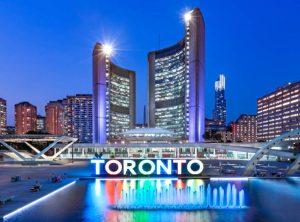
Dining Amidst Theatres and Nightlife
The Entertainment District draws in crowds seeking a night out. Restaurants can cater to pre-theatre dinners and late-night dining.
10. Greektown

Mediterranean Delights
Greektown is a lively neighborhood known for its Mediterranean restaurants and cultural festivals. If you’re passionate about Greek cuisine, this is a prime location.
11. Roncesvalles

European-Inspired Eateries
Roncesvalles exudes European charm with its bakeries, cafes, and bistros. This neighborhood is a canvas for restaurants that capture the essence of European flavors.
12. Annex

Academic Vibe and International Cuisine
With its proximity to the University of Toronto, the Annex boasts an academic atmosphere. Restaurants can serve international dishes to a diverse and discerning clientele.
13. St. Lawrence Market Area

Historical Market and Gastronomic Exploration
The St. Lawrence Market Area is a haven for food enthusiasts. Restaurants can capitalize on the market’s fresh produce and historical ambiance.
14. Danforth

Authentic Greek Flavors
Danforth is another neighborhood offering a taste of Greek cuisine. Authenticity and cultural experiences can set restaurants apart here.
15. Junction

Rustic Charm and Emerging Food Scene
The Junction has a rustic charm and a growing food scene. This neighborhood welcomes eateries with a cozy and community-oriented approach.
Conclusion
Owning a restaurant in Toronto is an exciting journey filled with possibilities. The neighborhoods mentioned here represent just a fraction of the city’s vibrant culinary tapestry.
Remember, success in the restaurant industry requires not only a delicious menu but also a deep understanding of the neighborhood’s dynamics and the preferences of its residents.
Whether you’re drawn to the eclectic streets of Kensington Market or the upscale elegance of Yorkville, Toronto’s neighborhoods offer something for every culinary entrepreneur.
FAQs
Q: What is the average cost of opening a restaurant in Toronto?
Opening a restaurant in Toronto can vary widely in cost, depending on factors like location, size, concept, and renovation needs. On average, you can expect to invest anywhere from $100,000 to $500,000 or more.
Q: How can I secure funding for my restaurant venture?
Funding options include personal savings, bank loans, investors, crowdfunding, and grants. Each option has its pros and cons, so it’s essential to research and choose the one that aligns with your goals.
Q: Are there any specific permits required to open a restaurant in these neighborhoods?
Yes, you’ll need various permits, such as health permits, liquor licenses, business licenses, and possibly outdoor dining permits. It’s crucial to understand and acquire all the necessary permits before opening.
Q: What is the best time to launch a restaurant to attract maximum customers?
The timing can vary, but launching in the spring or early fall can be advantageous, as the weather is pleasant, and people are more likely to dine out.
Q: How do I stand out in Toronto’s competitive restaurant industry?
To stand out, focus on a unique selling proposition (USP), exceptional customer service, high-quality ingredients, and a memorable dining experience. Engage with the local community and leverage social media to create a strong online presence.