

Police said about 30,000 people marched in Brussels on Friday, Oct. 9, during a national strike against Belgian budget cuts, and police used water cannon and tear gas on masked protesters who threw rocks and fireworks.
The strike targets a plan by Prime Minister Bart De Wever’s government to save €10 billion over the next few years to reduce the deficit, Euronews reported. Police said 21 people were detained or arrested, including 13 minors, according to Reuters.
Belgium’s two largest unions, the socialist FGTB/ABVV and the Christian CSC/ACV, called the strike, Reuters reported. Hundreds of students joined the march. Police told Reuters the march itself passed off peacefully.
The clashes came on the sidelines. Euronews said hundreds of young people faced riot police, and dozens of masked protesters threw rocks and firecrackers and set several fires, including one that burned a pile of city bikes and e-scooters. Reuters said firefighters put out several fires, including on buses.
Union leaders said the rioters had nothing to do with their rally, Euronews reported. “Things are getting worse at an ever-faster rate; people have had enough,” union representative Luc Toussaint told the outlet.
The unions want higher taxes on the highest earners instead of cuts to health care and an increase in value-added tax, Euronews said. De Wever said on Thursday, Oct. 8, that painful budget measures were needed to avert a looming spiral of debt and interest costs, according to Reuters. Euronews reported that he is in prolonged talks with coalition partners and aims for a deal by Oct. 13.
Students joined after protests that began earlier in Liège. Euronews reported that authorities there banned public gatherings after a week of student clashes with police and shop vandalism, in which more than 200 people were arrested and dozens of police were injured. Reuters said students cite rising education costs, overcrowded classrooms and reforms they fear will make higher education less accessible.
“We’re struggling too, and we are the future of this country,” said Emilie L’Honneux, 23, a student from Liège, according to Reuters.
The strike disrupted public transport and air travel, and many schools and childcare facilities were affected, Reuters reported.
For Canadians, the federal travel advisory for Belgium, as read on travel.gc.ca on Oct. 11, tells travellers to exercise a high degree of caution, citing the threat of terrorism. It says demonstrations are frequent in central Brussels and the European Quarter and can turn violent without warning, and that strikes regularly disrupt transport, so travellers should allow extra time. The page carried no update date. We found no comment on the strike from the Canadian government.
The next marker is Oct. 13, the date De Wever’s coalition has set for a budget deal. Neither outlet reported further union action beyond Oct. 9.
If you find reporting like this useful, consider supporting Canada News Media, an independent Canadian newsroom with no corporate parent.
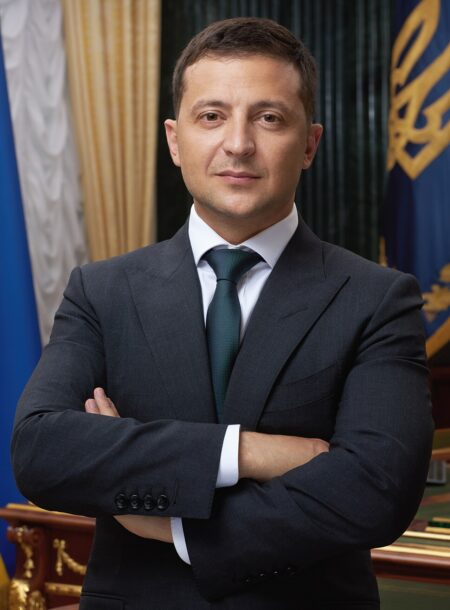
Via Euronews and Reuters (as published by The Star). Canadian travel advice from travel.gc.ca. The photo is a file image of the Europa building in Brussels, via Wikimedia Commons, and was not taken at the strike.
Follow Canada News Media
Get the day's top Canadian stories and our two daily 60-second news videos wherever you scroll.