

The Coalition Avenir Québec, which governed Quebec for eight years, now has no seats in the National Assembly and must decide within 30 days who will lead it, according to coverage of the party’s collapse in the Oct. 5 provincial election.
The party held 79 seats when the legislature was dissolved before the August campaign and won none on election night, The Canadian Press reported. The Parti Québécois won a minority government under Leader Paul St-Pierre Plamondon, who is premier-designate.
Christine Fréchette, who became premier in April after winning the CAQ leadership race, announced Oct. 6 at a news conference in Quebec City that she is resigning as party leader. She also lost her own riding of Trois-Rivières.
“I accept Quebecers’ decision and take responsibility for the results,” Fréchette said. She said she will remain premier until her successor is sworn in, and that she still believes the party’s “third way” between federalism and independence is right for Quebec.
Global News and CTV News reported that the CAQ has 30 days to name an interim leader and that a party spokesperson said meetings would be held in the coming days to decide next steps. Neither report said when the 30 days begin, and no interim leader had been named in the coverage reviewed for this story. Coverage also gave no timeline for a permanent leadership race.
Former premier François Legault, who founded the party and led it to majorities in 2018 and 2022 before stepping down in January, said on social media that Fréchette “showed a great deal of courage during this election campaign.” He said she was not responsible for the “wear and tear of power” that affects every government, according to CP.
The harder question is whether a party with no members in the legislature can survive. Experts quoted by CTV News were split.
Thierry Giasson, a political communication professor at Université Laval, said the CAQ “could survive because there are people who believe in this idea of a third way.” His Laval colleague André Bodet said the CAQ is not a fringe party because it governed for two terms. He noted that the Parti Québécois was also written off after the previous election, yet now holds power.
Martin Papillon of the Université de Montréal was more sceptical. Without a single seat, he said, the party is fragile and survival will be “very difficult,” especially because its members have ties to other parties and may return to them. He also said Legault did not have the deep historical roots the CAQ now needs.
The CP report noted that Éric Duhaime’s Conservatives made historic gains on Monday. Final seat counts for the other parties were not given in the reports reviewed.
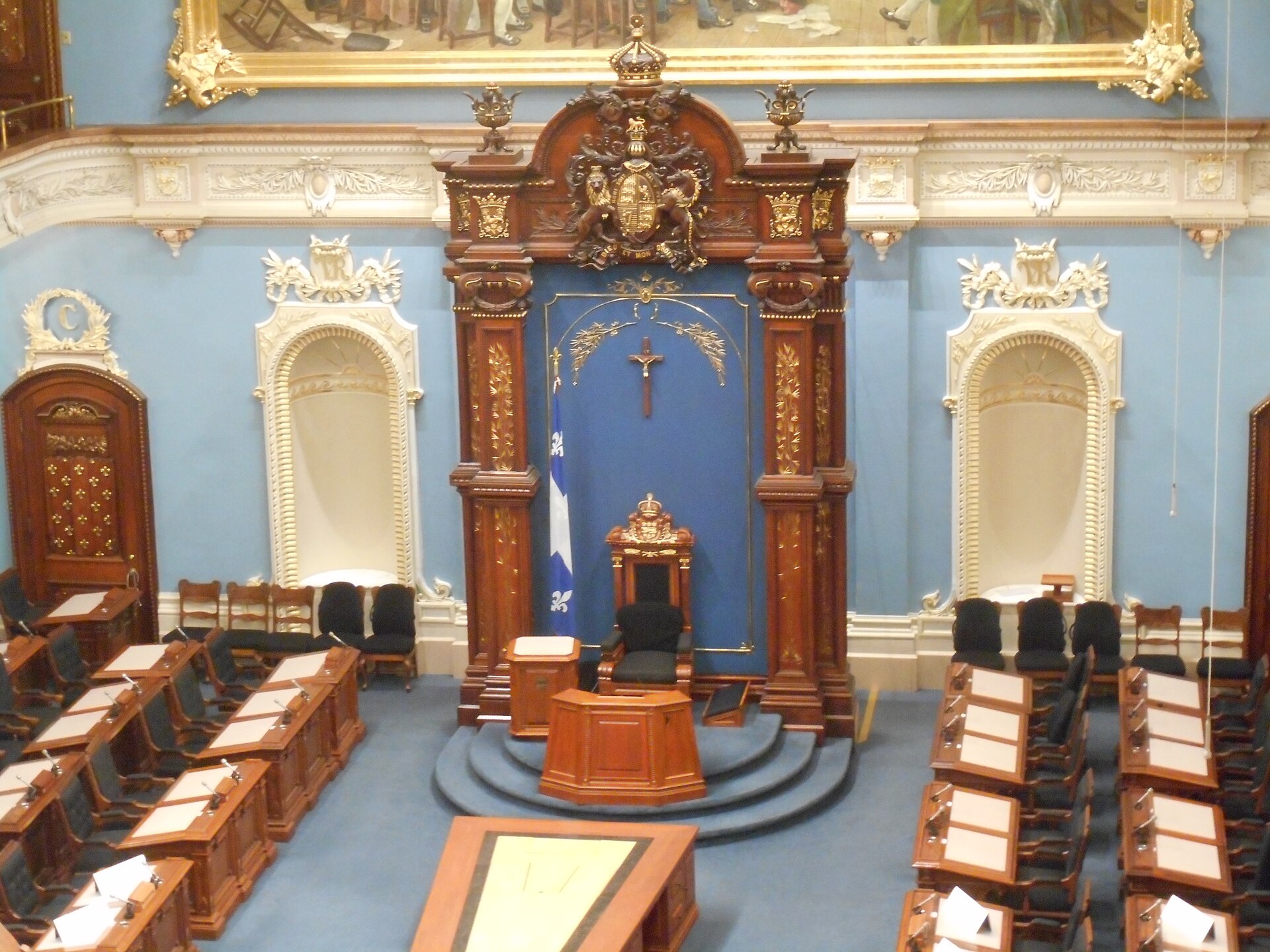
For Quebec politics, the practical effect is a minority government facing an opposition that does not include the party that held power for eight years. The CAQ’s choices in the next few weeks, including who speaks for it without a seat in the Blue Room, will be closely watched.
This story is developing. Our earlier coverage of the vote is in our report that the Parti Québécois won the election. The party’s official statements and Élections Québec data were not read directly for this report.
If you find reporting like this useful, consider supporting Canada News Media, an independent Canadian newsroom with no corporate parent.
Via The Canadian Press (CP24), with additional reporting from Global News and CTV News Montreal.
Follow Canada News Media
Get the day's top Canadian stories and our two daily 60-second news videos wherever you scroll.
X Threads Facebook Instagram LinkedIn TikTok YouTube Pinterest Reddit Substack Flipboard Newsletter RSS