

The safest way to defrost a car windshield is to start the engine, turn the heat to the defrost setting, spray on a de-icer and scrape the loosened ice with a plastic scraper. Never pour hot water on frozen glass, because it can crack the windshield.
That is the advice from Desjardins, which lists the do’s and don’ts of car defrosting in its winter driving tips. With the first frosty mornings arriving across much of the country, a clear windshield is the first job of any cold-weather commute.
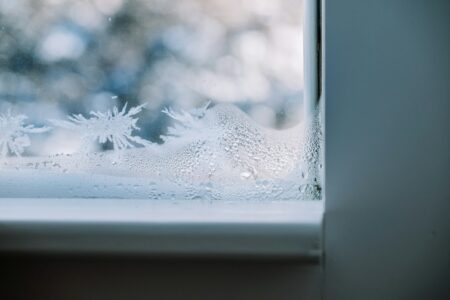
Frost on the inside and outside of the glass cuts visibility, and rushing the job is how windshields get scratched or cracked. The steps below combine guidance from Desjardins and a Tom’s Guide how-to by Cynthia Lawrence. Neither source covers every make of vehicle, so check your owner’s manual for anything specific to your car.
Step 1: Start the car and set the heat to defrost. Desjardins said to turn the heat to the defrost setting and wait five to 15 minutes for the windshield to warm up. Tom’s Guide adds that turning on the air conditioning as well helps because it removes moisture and prevents misting. If your car has no defrost setting, use the maximum heat setting.
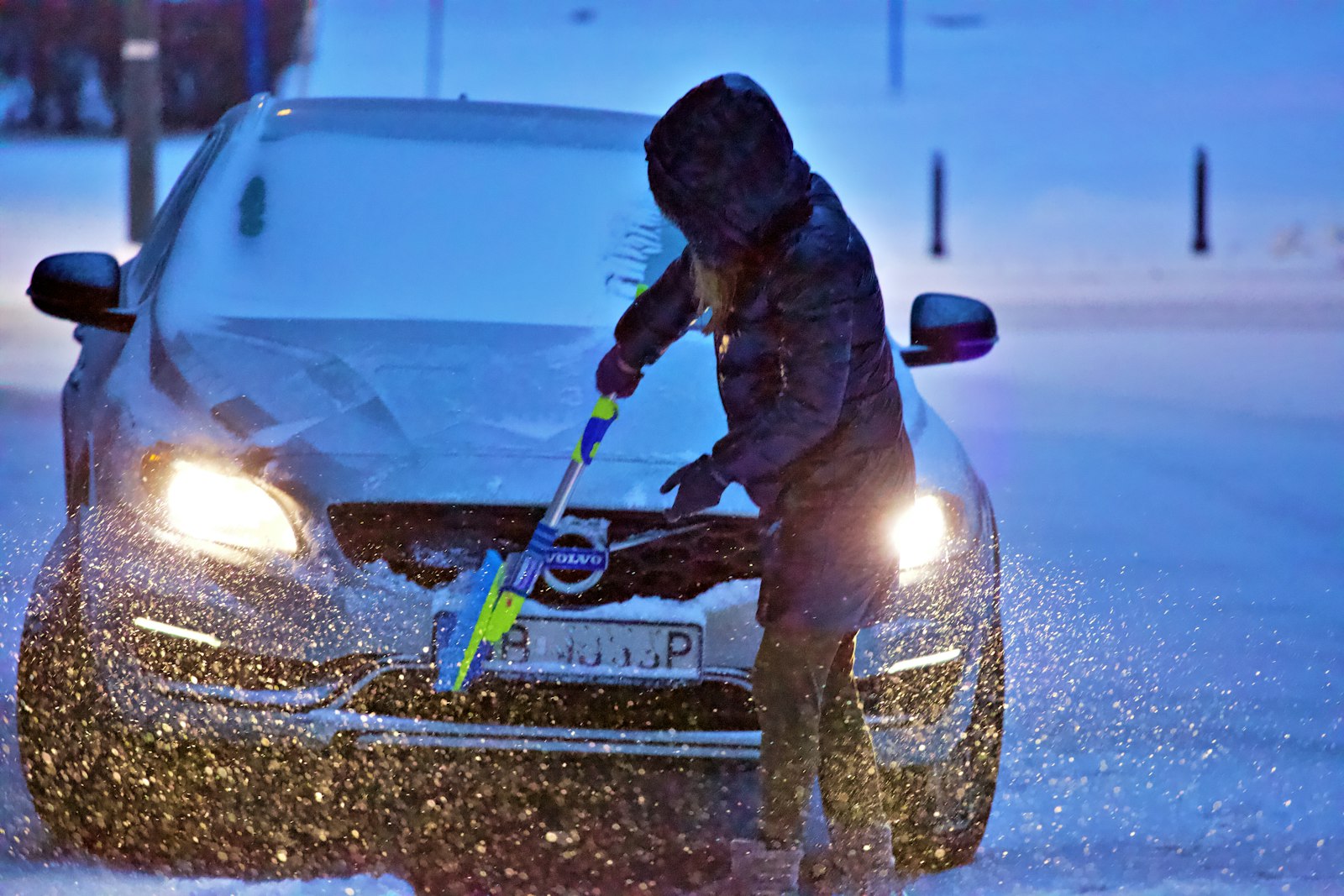
Step 2: Brush off loose snow and frost. Use the soft brush end of an ice scraper to sweep away snow and loosen frost.
Step 3: Spray on a de-icer. Desjardins said a store-bought windshield de-icing spray, sold at car supply stores, works. If you would rather make your own, the sources describe two options.
The first is an alcohol mix. Desjardins said to combine one part water with two parts 70 per cent isopropyl alcohol in a spray bottle. Tom’s Guide gives a similar mix of one-third cup water to two-thirds cup isopropyl rubbing alcohol, and notes that the alcohol keeps working at very low temperatures.
The second is a vinegar mix. Tom’s Guide said to combine three parts white vinegar with one part water in a spray bottle and mist it over the glass to loosen frost.
Desjardins also describes a saltwater spray, but warned that heavy salt exposure may damage the windshield, so it said to use it sparingly. Many drivers will prefer to skip it.
Step 4: Let the spray work, then scrape gently. After spraying, give the frost time to dissolve and the ice time to melt. Then use a plastic ice scraper to remove what is left. Desjardins said the brush end loosens frost and ice, and the scraping end removes thicker patches.
Step 5: Wait until the glass is fully clear. Stay inside until the ice and mist are gone so you have a full view of the road. Tom’s Guide said to wait until all ice and mist are gone so you have clear visibility.
What not to do: Both sources are firm on a few points. Do not pour hot water on a frozen windshield. Desjardins said it can crack the glass, and in extreme cold it can turn to powder on contact with the air. Tom’s Guide said the sudden shift from cold to hot can crack or damage the windshield.
Do not use a hair dryer or a portable heater. Desjardins called that dangerous and said it should not be attempted.
Do not use a spatula, a car key or a metal scraper. Desjardins said these can scratch the windshield or damage the paint.
A frozen door handle is a separate problem. Desjardins said to pour lukewarm or cold water over the handle, then wipe the softened ice away with a sturdy rag or gloved hands.
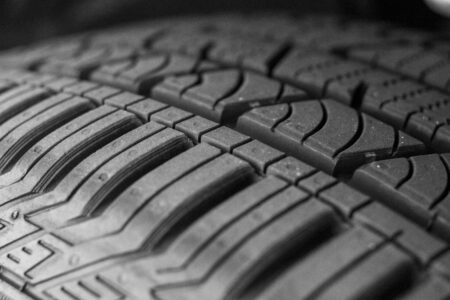
A few habits make the job easier next time. Keep a plastic scraper with a soft brush and a bottle of de-icer in the car, and consider adding both to your winter car emergency kit. Checking your tire tread and pressure on the same day is a sensible way to get the car ready for the season.
If the windshield is cracked or chipped, do not apply heat or de-icer in an attempt to speed things up. Have the glass inspected by a professional.
If you find reporting like this useful, consider supporting Canada News Media, an independent Canadian newsroom with no corporate parent.
Follow Canada News Media
Get the day's top Canadian stories and our two daily 60-second news videos wherever you scroll.
X Threads Facebook Instagram LinkedIn TikTok YouTube Pinterest Reddit Substack Flipboard Newsletter RSS