

The federal government brought the War Measures Act into force at 4 a.m. on Oct. 16, 1970, giving police sweeping powers in Quebec during the October Crisis, according to the Canadian Encyclopedia and the Canadian Museum of History.
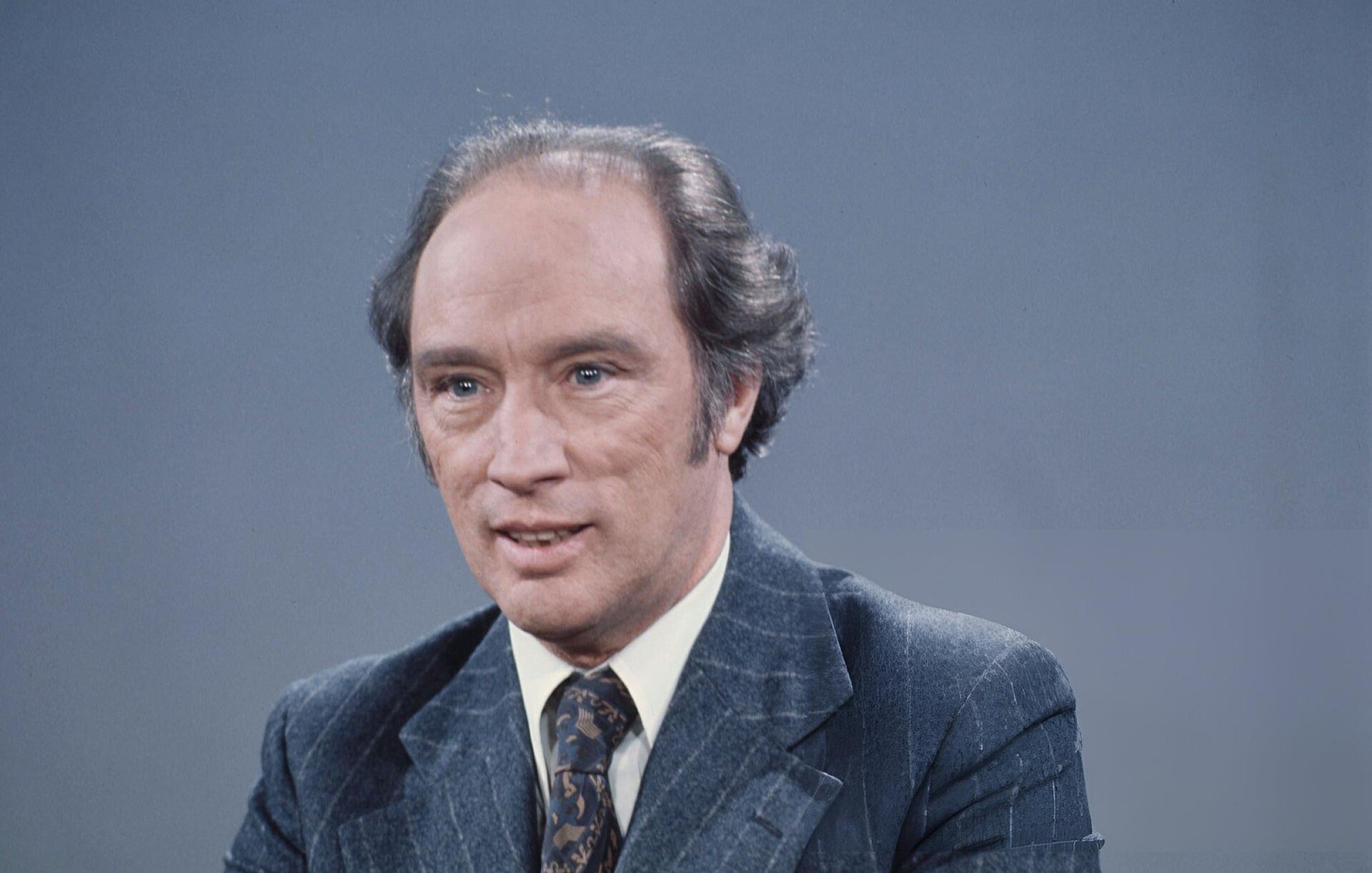
It was the first time the law had been used in Canada outside a war, the Canadian Museum of History says. Prime Minister Pierre Trudeau announced the decision in a broadcast the same day.
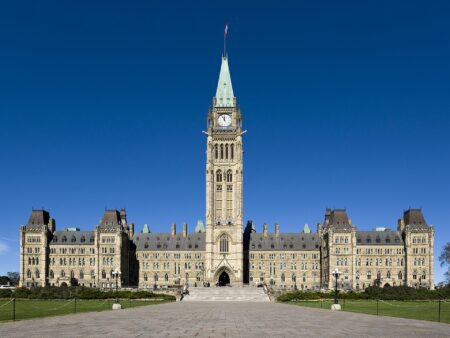
The move followed two kidnappings by the Front de liberation du Quebec (FLQ). British trade commissioner James Cross was taken in Montreal on Oct. 5, and Quebec Labour Minister Pierre Laporte was seized on Oct. 10. Troops had already been sent to Ottawa and to support police in Quebec, as we reported on the anniversary of the troop deployment, and the kidnapping of Laporte was the subject of an earlier On This Day article.
According to the Wikipedia account of the crisis, Cabinet advised the governor general to invoke the Act at the request of Quebec Premier Robert Bourassa and Montreal Mayor Jean Drapeau. The same account says Montreal had made its request the previous day and that Bourassa formally asked Ottawa for emergency powers to apprehend and keep suspects in custody.
The regulations declared the FLQ an unlawful association. Membership in it or support for it could bring up to five years in jail, and suspects could be held without bail for up to 90 days, according to the same account. Police could search and arrest without warrants.
The scale of the response was large. The Canadian Encyclopedia says police carried out more than 3,000 searches and detained 497 people. Of those, 435 were released without charges being laid or heard, and 62 were charged. The Canadian Museum of History describes about 500 people being arrested and detained without a warrant.
Sources differ slightly on the timing. The Canadian Encyclopedia says a state of apprehended insurrection was declared in Quebec as of Oct. 15, while the Museum of History and the other accounts place the invocation at dawn on Oct. 16. The difference likely reflects the gap between the cabinet decision and the order taking effect, though the sources reviewed do not spell that out.
The crisis did not end with the proclamation. On Oct. 17, the FLQ’s Chenier cell announced that Laporte had been killed, and his body was found in the trunk of a car near Saint-Hubert Airport, according to the Wikipedia account. Cross was released on Dec. 3 after negotiations. The two sources that mention his captivity do not agree on its length, giving 59 days in one place and 62 in another.
The emergency regulations under the War Measures Act were replaced in November 1970 by regulations under the Public Order (Temporary Measures) Act, which lapsed on April 30, 1971, the Canadian Encyclopedia says. After the crisis, Trudeau pledged to refine and limit use of the War Measures Act in domestic emergencies, but the Encyclopedia notes the law had not been changed by the time his last government was defeated in 1984.
The Act was later replaced by the Emergencies Act. The invocation of 1970 remains one of the most debated uses of state power in Canadian history, with critics pointing to the detentions of people never charged and supporters pointing to the two kidnappings and the killing of a cabinet minister.
If you find reporting like this useful, consider supporting Canada News Media, an independent Canadian newsroom with no corporate parent.
Follow Canada News Media
Get the day's top Canadian stories and our two daily 60-second news videos wherever you scroll.
X Threads Facebook Instagram LinkedIn TikTok YouTube Pinterest Reddit Substack Flipboard Newsletter RSS