
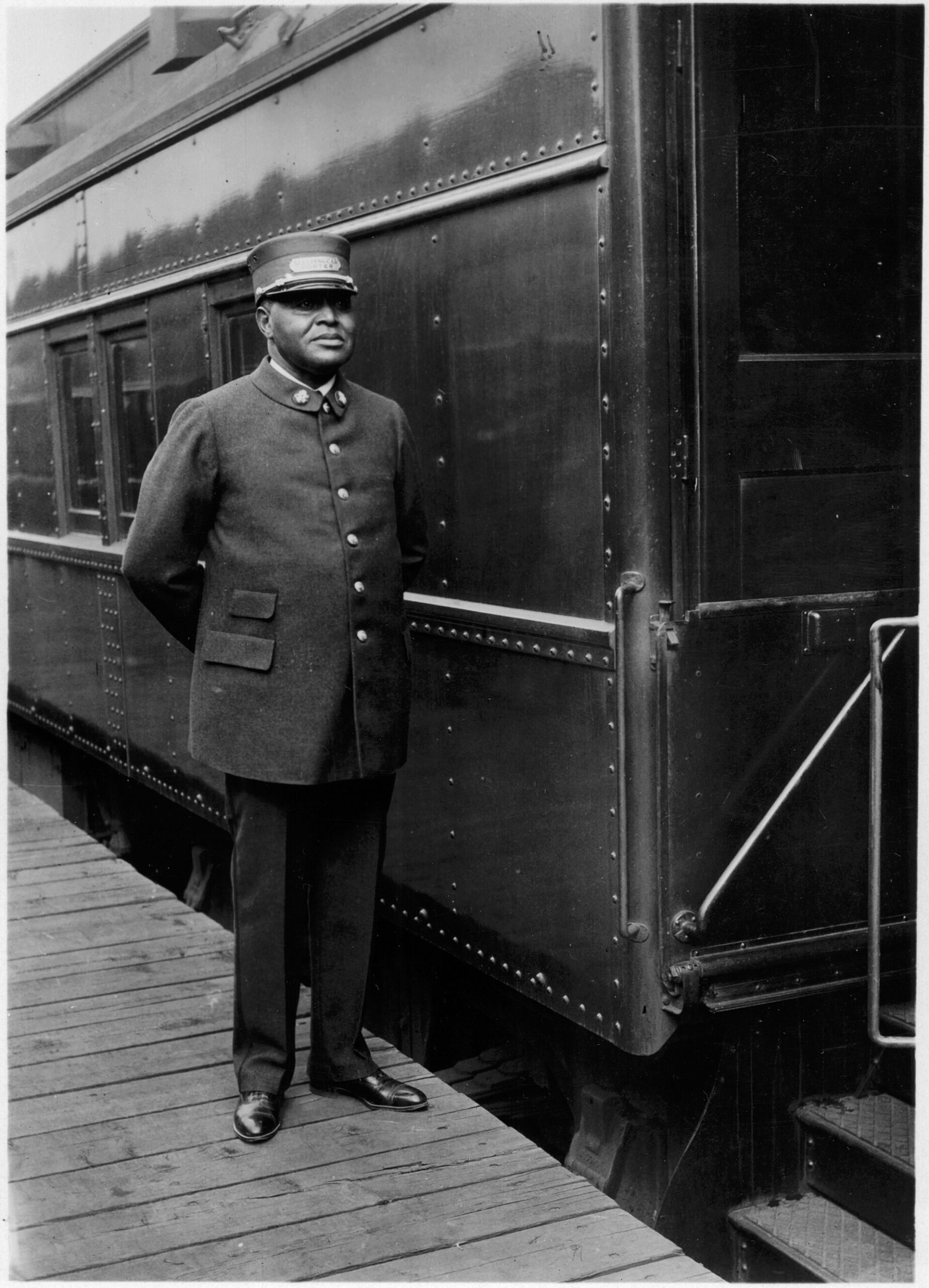
Black sleeping car porters formed the Order of Sleeping Car Porters in Winnipeg in April 1917, which The Canadian Encyclopedia describes as the first Black railway union in North America.
The Canadian Museum for Human Rights names the founders as John Arthur Robinson, J.W. Barber, B.F. Jones and P. White. Within two years, the Encyclopedia said, the union had negotiated contracts with the Canadian Northern Railway and the Grand Trunk Railway.
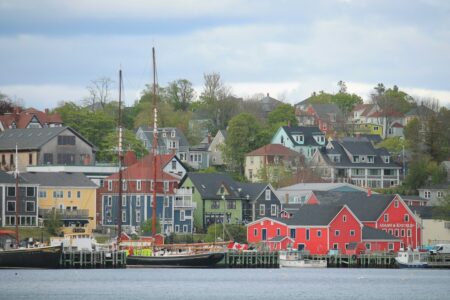
The museum said Black men worked as sleeping car porters in Canada from the late 19th century until the mid-1950s. The Encyclopedia described the job as one of only a few open to Black men, and said railways recruited porters from Africville in Halifax, Little Burgundy in Montreal and the Bathurst and Bloor area of Toronto. Between 1916 and 1919, it said, more than 500 Black porters arrived in Canada to work for the Canadian Pacific Railway.
The work was punishing. The museum said a typical run lasted 72 hours, with no sleeping quarters aboard. Porters paid for their own uniforms, shoeshine supplies and meals on the road, and had to replace missing linens from their wages. Before they were unionized, a passenger complaint could be enough to get a porter fired.
The Encyclopedia said Black porters were paid less than white colleagues, were not promoted and could not apply for positions such as engineer or conductor. The museum said the job of sleeping car conductor was closed to Black people until 1954.
Mainstream railway unions offered no shelter. The Canadian Brotherhood of Railway Employees wrote into its 1908 constitution that only white people could be members, the Encyclopedia said. When the porters’ union joined the Brotherhood in 1919, the whites-only clause was removed, but Black members were placed in segregated membership for lower-paid positions, with four Black locals established.
Organizing also carried a price. The museum said the Canadian Pacific Railway dismissed 36 porters in the early 1920s, some with up to 12 years of service, for union activity, and that the firings chilled organizing for more than 10 years.
The push resumed in 1939, when porters began organizing with support from the Brotherhood of Sleeping Car Porters, the U.S. union A. Philip Randolph founded in 1925. The Encyclopedia said Brotherhood divisions formed in Montreal, Toronto and Winnipeg in 1942, and the museum said porters voted to unionize that year. A collective agreement with the Canadian Pacific Railway followed in May 1945. Both sources list a monthly salary increase and overtime pay among the gains.
Stanley G. Grizzle, a porter for about 20 years, was elected president of the Toronto Canadian Pacific division of the Brotherhood in 1946, the Encyclopedia said. He later became Canada’s first Black citizenship judge and wrote the 1998 memoir My Name’s Not George. The title refers to a habit the Encyclopedia noted: passengers often called porters “George” or “boy.”
The union then turned to promotion. In 1953, the Encyclopedia said, the Brotherhood filed a complaint with the federal Department of Labour under federal fair employment law. The museum said that after about a year of conciliation, George V. Garraway was hired as a sleeping car conductor, described as the first Black Canadian in that role.
Sources differ on the year. The Encyclopedia places Garraway’s milestone in 1954. The Museum of Toronto, citing a union press release dated April 30, 1955, quotes it as saying that “a fight to end the colour bar in employment on Canadian railroads has scored its first success.”
Railways employed fewer porters from the 1960s onward, the Encyclopedia said, as the travel industry changed. Some porters went on to public life: Calvin Ruck, who worked as a Canadian National sleeping car porter from 1945 to 1958, later became a senator.
If you find reporting like this useful, consider supporting Canada News Media, an independent Canadian newsroom with no corporate parent.
Follow Canada News Media
Get the day's top Canadian stories and our two daily 60-second news videos wherever you scroll.
X Threads Facebook Instagram LinkedIn TikTok YouTube Pinterest Reddit Substack Flipboard Newsletter RSS