

Marie-Joseph Angélique, an enslaved Black woman, was tortured and hanged in Montreal on June 21, 1734, two months after a fire destroyed part of the town, in a case that historians say exposes how firmly slavery was embedded in New France.
The Canadian Encyclopedia says the fire broke out on the evening of Saturday, April 10, 1734, and destroyed the merchants’ quarter, including at least 46 buildings and the Hôtel-Dieu hospital and convent. Other accounts count 45 houses plus the hospital, so the exact toll varies by source.
Angélique was born around 1705 on the island of Madeira, off Portugal, according to the encyclopedia. It says she was sold as a young teenager to a Flemish merchant and taken to New England. In 1725, François Poulin de Francheville, a Montreal merchant, bought her there and brought her to the colony. When he died in 1733, his widow, Thérèse de Couagne, inherited her.
Two months before the fire, Angélique tried to flee. An account published by the EBSCO research service says that on Feb. 22, 1734, she and Claude Thibault, an indentured servant, set out toward New England. Bad weather forced them to shelter near Châteauguay, and they were recaptured. Thibault was jailed on March 5 and released on April 8, two days before the fire.
The same account says she was found in the Hôtel-Dieu garden and arrested, and that Thibault disappeared. She was charged with arson, a capital crime, on April 11, according to the Canadian Encyclopedia.
The case against her rested on talk, not on an eyewitness to the fire. The EBSCO account says no witness saw her start it. A young enslaved girl reported that Angélique had said her mistress would not sleep in the house that night. A five-year-old, Amable Monière, later testified that she saw Angélique carrying coals to an attic on the day of the fire. The EBSCO account says the prosecution treated that as enough, and that many questioned why the child had not been heard earlier.
The Canadian Encyclopedia says more than 24 witnesses testified and that 23 said they believed she was guilty because she had said she would do it. It says the French system presumed her guilty and that New France had no jury trials. Angélique denied setting the fire at every stage.
On June 4, 1734, Judge Pierre Raimbault sentenced her to die, as CBC reported in its history of the case. The first sentence called for her hands to be cut off and her body burned alive. On appeal, the superior court in Quebec City upheld the death penalty but reduced it to hanging, followed by burning of the body, the Canadian Encyclopedia says.
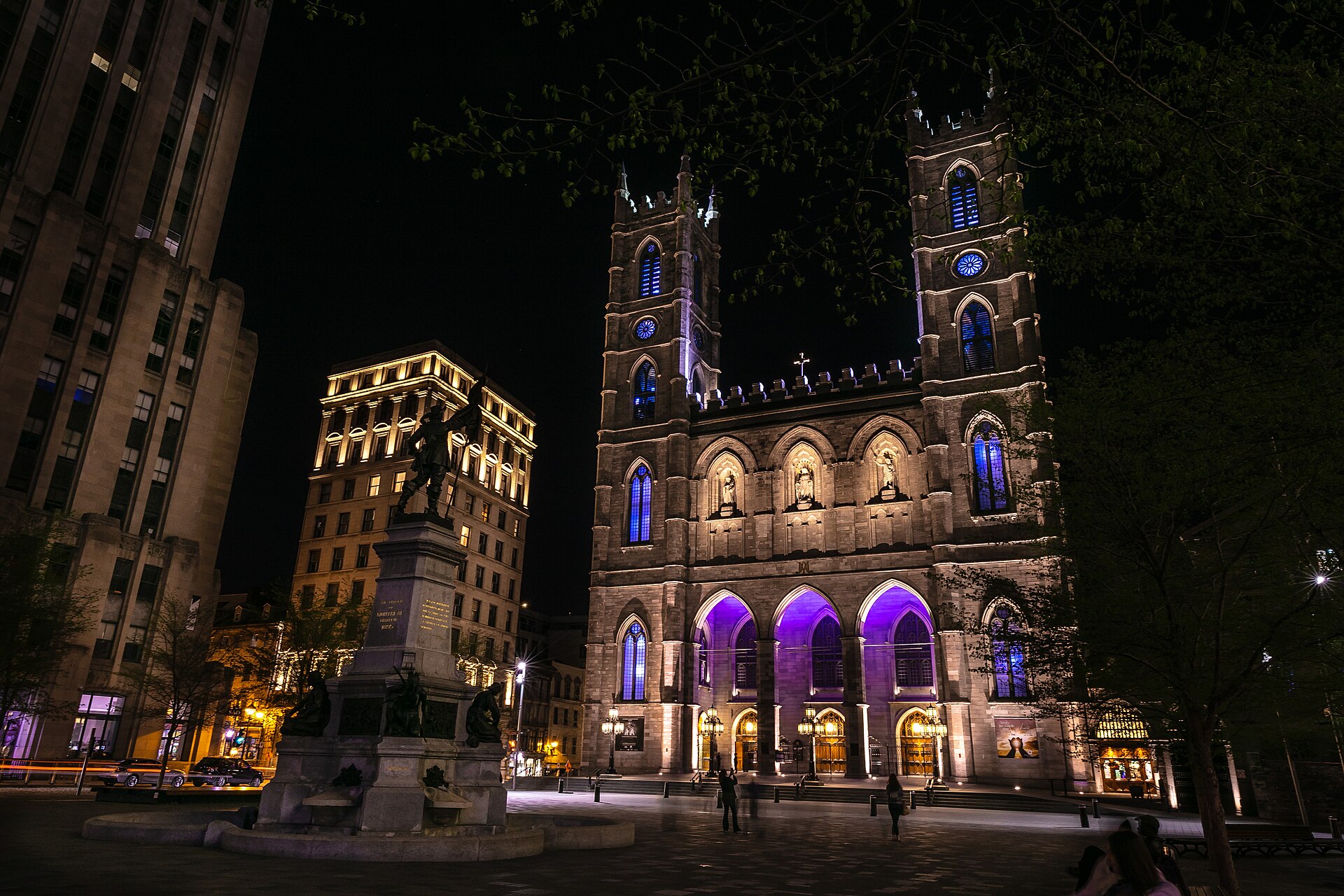
On the morning of June 21, she was tortured with the brodequins, a device that crushes the leg, to make her name an accomplice. She confessed to the fire but insisted she had acted alone and would not implicate Thibault. The encyclopedia says she was then driven through the streets in a cart, holding a burning torch, to the Notre-Dame church, where she asked for pardon and was hanged. It says the executioner, Mathieu Léveillé, was himself an enslaved Black man. That detail rests on the encyclopedia alone. Her body was displayed for two hours, then burned that evening and the ashes scattered.
The sources do not agree on whether she set the fire. The Canadian Encyclopedia presents two possibilities: that she was an easy scapegoat, or that she set it as an act of resistance to enslavement. No surviving record settles the question.
Historian Afua Cooper, whose book The Hanging of Angélique is the standard account, argues that the record shows slavery was legally and culturally accepted in Canada for about 200 years, CBC reported. Cooper said in that account that her work drew on 15 years of research.
The EBSCO account says Angélique had three children with a fellow enslaved man, Jacques César: a boy born in 1731 and twins born in 1732. All three died in infancy.
She has since been commemorated. The playwright Lorena Gale wrote Angélique from the trial documents, and it won the 1995 du Maurier National Playwriting Competition. In February 2012, the public square facing Montreal’s city hall was named Place Marie-Josèphe Angélique, the encyclopedia says. It adds that a Canada Post stamp for Black History Month in 2025 honoured her.
If you find reporting like this useful, consider supporting Canada News Media, an independent Canadian newsroom with no corporate parent.
Follow Canada News Media
Get the day's top Canadian stories and our two daily 60-second news videos wherever you scroll.
X Threads Facebook Instagram LinkedIn TikTok YouTube Pinterest Reddit Substack Flipboard Newsletter RSS