



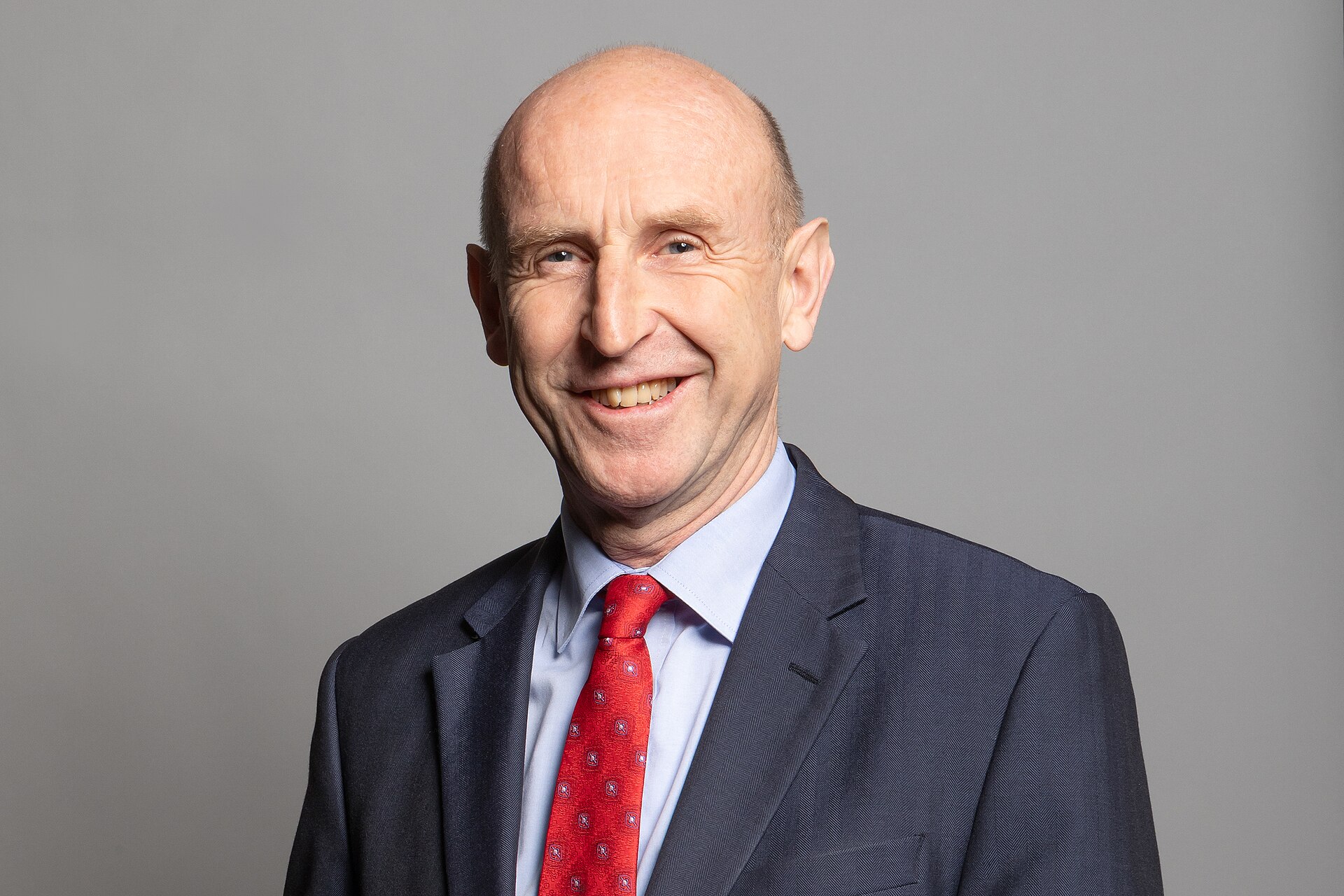
British Chancellor John Healey will deliver his first budget on Oct. 28, 2026, with the government’s fiscal cushion estimated at £8.5 billion to £16 billion, down from £24 billion in March, and 30-year gilt yields having briefly topped six per cent this month.
The numbers matter because Britain spends more than £100 billion a year on debt interest, according to BBN Times’ account of Healey’s Sept. 7 speech, and the cushion is what stands between the new government and either tax increases or a bond-market reaction.
Reuters reported on Oct. 16 that a global bond selloff pushed the 30-year gilt yield briefly above six per cent this month. Economists now put the fiscal buffer at roughly £8.5 billion to £16 billion, compared with £24 billion at the March forecast, Reuters said. The wire service linked the higher borrowing costs to energy prices raised by the war in Iran.
The Institute for Government, a London think-tank, said the budget will come with new forecasts from the Office for Budget Responsibility, the government’s independent fiscal watchdog. They will be the first since the Iran war pushed up global energy prices, the institute said on its budget page.
Healey has refused to say what he will do. In Coventry on Sept. 7, he said UK borrowing costs were at “historic highs” and declined to discuss tax changes. “If I respond to those questions, I’m only going to fuel more speculation,” he said, according to BBN Times. He restated Labour’s 2024 manifesto commitments on income tax, VAT and national insurance, and, per Reuters, corporation tax, but did not rule out other taxes.
Prime Minister Andy Burnham, who replaced Keir Starmer as Labour leader in July, wants to avoid steep tax rises after two record tax-raising budgets under Rachel Reeves in 2024 and 2025, The Telegraph reported on Sept. 24. Burnham said in New York that “We have to make sure we get the balance right,” the newspaper reported.
The Telegraph, in a story republished by Yahoo Finance, said the Treasury was sounding out investors about using a smaller safety margin, which would reduce the need for tax rises. It also said the Treasury was examining higher taxes on banks, property and gambling companies. A Treasury spokesperson declined to comment on what the paper called “rumour, speculation or anonymous claims” about the margin, The Telegraph reported.
Economists are split on how much room Healey should give himself. Rupert Harrison of the investment firm PIMCO said a deliberate cut to the cushion risks a negative market reaction and called roughly £20 billion “low by historical standards,” The Telegraph reported. Robert Jenrick of Reform UK said Healey was “playing with fire” by cutting headroom when borrowing costs are high, the paper reported.
Reuters said analysts expect the 3 per cent bank surcharge to rise, either back to 8 per cent or by two to three percentage points, citing a Guardian report that Healey is set to raise bank taxes. The surcharge currently raises just over £1 billion a year, Reuters said. Shares in HSBC, NatWest, Lloyds and Barclays are down 3 to 5 per cent in October so far. Neither the Treasury nor Healey has confirmed any bank tax change.
Not all the signals are negative. Reuters said sentiment has improved because of political stability, better economic data and the Bank of England’s decision to pause gilt sales, and sterling is near 16-month highs against the euro. Luke Hickmore of Aberdeen Investments told the wire service: “This budget is about credibility.”
The pressure is not only British. As we reported, France’s 10-year yield topped 4.8 per cent ahead of its own budget vote, and EU leaders opened their Oct. 15 summit split on energy and the EU budget. Brussels has also left a €70 billion Ukraine funding gap for 2027 unfilled, adding to demands on European public finances.
What happens next is the budget itself on Wednesday, Oct. 28, when Healey is to present the OBR’s forecasts alongside his tax and spending plans. The size of the cushion he chooses, and whether gilt yields hold below this month’s highs, will show whether markets accept the plan. Canadians with family, pensions or property in Britain can follow the government’s updates at gov.uk.
Via Reuters, The Telegraph, BBN Times and the Institute for Government. Figures are as those outlets reported them and could not all be checked against the OBR or the Treasury directly.
If you find reporting like this useful, consider supporting Canada News Media, an independent Canadian newsroom with no corporate parent.
Follow Canada News Media
Get the day's top Canadian stories and our two daily 60-second news videos wherever you scroll.
X Threads Facebook Instagram LinkedIn TikTok YouTube Pinterest Reddit Substack Flipboard Newsletter RSS