

Madagascar marked one year on Saturday, Oct. 17, since Col. Michael Randrianirina was sworn in after youth-led protests drove out president Andry Rajoelina, and the Indian Ocean island has since moved sharply toward Russia, taking weapons, military trainers and cultural and media programmes from Moscow.
Randrianirina is expected to attend the third Russia-Africa summit in Moscow on Oct. 28 and 29, according to a joint statement reported by TASS, and he has pledged elections only for late 2027, Agence France-Presse reported.
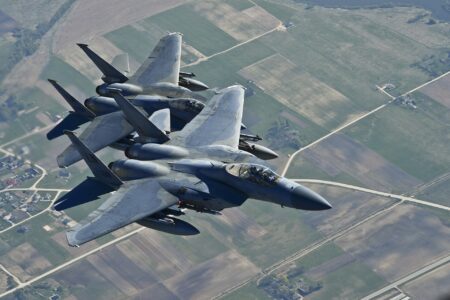
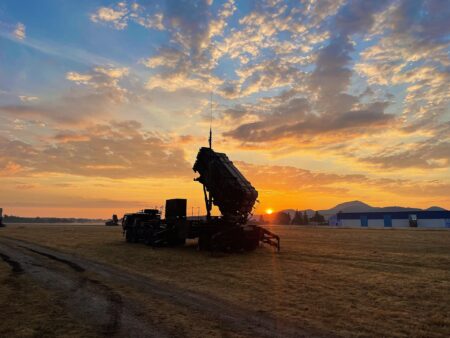
The shift is documented in several investigations. Radio Free Europe/Radio Liberty (RFE/RL) reported, in a summary by The Defense Post on Sept. 25, that Russian instructors began training Madagascar’s 1st Airborne Battalion this year and that Russia delivered weapons, though the quantity was not given. RFE/RL identified GRU officer Andrei Averyanov as arriving with about 40 members of the Africa Corps, the force that succeeded the Wagner group. The Defense Post said the identifications come from the investigation and are not officially confirmed.
Radio France Internationale (RFI), citing a September investigation by All Eyes On Wagner, reported that a flight carrying 40 men led by Averyanov landed in Madagascar on Dec. 20, 2025. Helicopters, tanks, trucks, drones and rifles then arrived in shipments labelled as donations through April 2026, RFI said. It added that Malagasy authorities confirmed in December that Africa Corps instructors were training the military. RFI did not report an official Malagasy response to the investigation’s wider findings, and we found none.
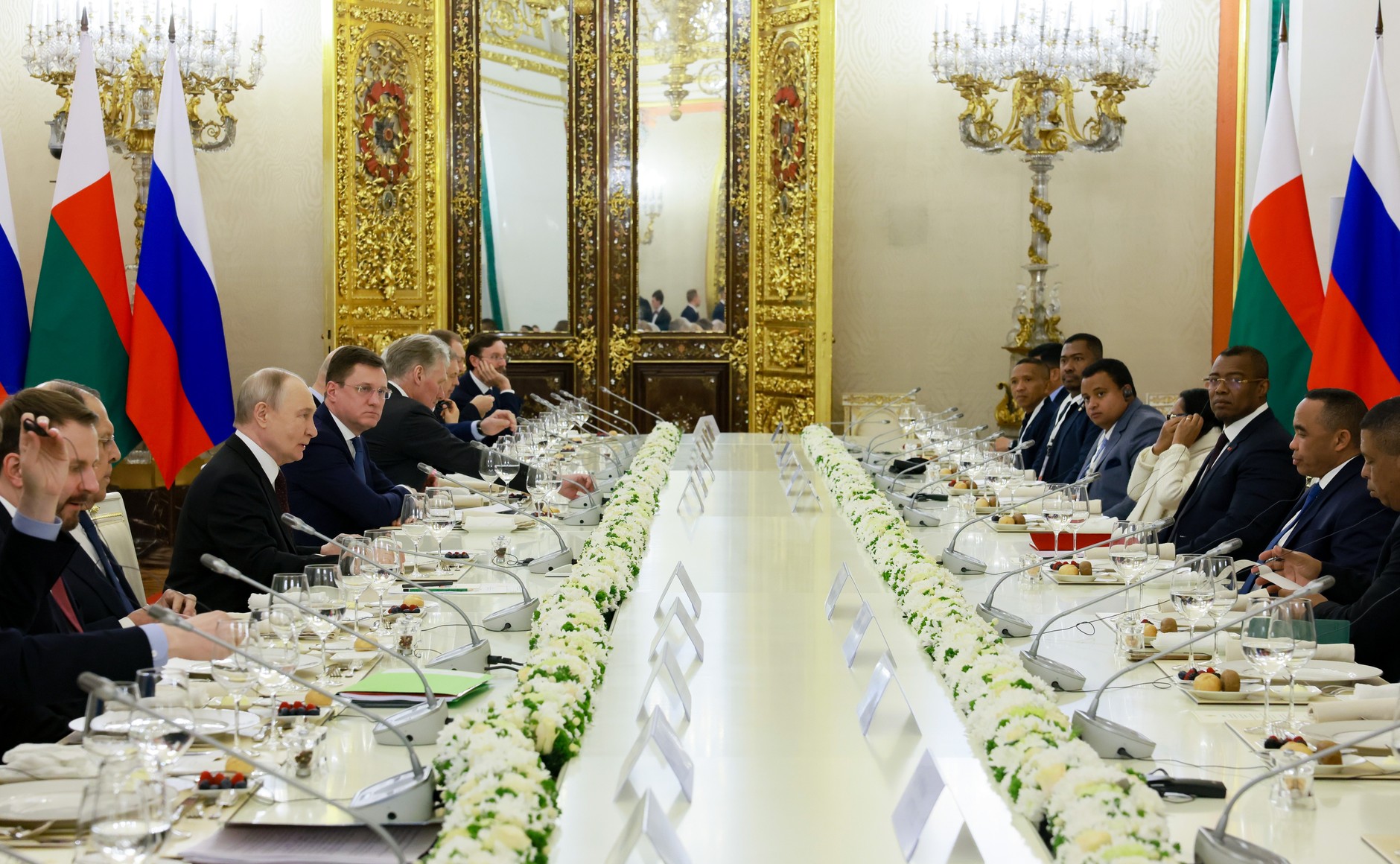
Randrianirina met President Vladimir Putin at the Kremlin on Feb. 19, the first visit to Moscow by a Malagasy head of state since 1978, AFP reported. A Russian delegation visited the port of Antsiranana in the north in April, and in May the two countries announced a joint economic zone with fuel storage as its first project, RFI said. Researchers quoted by RFI compare the port’s potential to Tartus, Russia’s naval base in Syria.
The influence is also cultural. AFP reported that a “Russia House” centre offering Russian-language classes opened in Antananarivo after a September deal involving the Russian state culture agency and African Initiative, a media project the European Union has accused of spreading Russian disinformation. In August, African Initiative hosted 13 Malagasy influencers with a combined 3.5 million Facebook followers on a trip to Moscow, AFP said.
Madagascar’s leaders have said there will be no Russian base. “The current commitment of the Malagasy president and government is that there will be no Russian military base,” Bruno Fuchs, chair of the French parliament’s foreign affairs committee, told AFP, relaying assurances he said he had received.
Ketakandriana Rafitoson, vice-chair of Transparency International, told AFP that decisions on the country’s diplomatic future should “rather fall to an elected president, not a transitional regime.” She told RFI that power remains concentrated, checks and balances are weak and impunity persists. RFI also reported that victims of last year’s violence are still awaiting justice and that six Gen Z activists were arrested in April.
Political scientist Adrien Ratsimbaharison told AFP he doubts Madagascar will align fully with Moscow as Sahel countries have, because “the Malagasy government can’t do anything without EU money.”
The country of about 32 million people is classed by the United Nations as a least-developed country, and roughly 69 per cent of its people live in extreme poverty, according to Modern Diplomacy. Russia and Madagascar have said they are discussing agreements on energy, transport, geological exploration and natural resources.
The Russia-Africa summit is the next marker to watch. Moscow’s growing presence in Africa is also part of the backdrop to our recent reporting on the IMF’s upgraded outlook for sub-Saharan Africa and on political change in Morocco. We found no public comment from Ottawa on Madagascar’s shift.
If you find reporting like this useful, consider supporting Canada News Media, an independent Canadian newsroom with no corporate parent.
Via RFI, AFP, RFE/RL and The Defense Post.
Follow Canada News Media
Get the day's top Canadian stories and our two daily 60-second news videos wherever you scroll.
X Threads Facebook Instagram LinkedIn TikTok YouTube Pinterest Reddit Substack Flipboard Newsletter RSS