

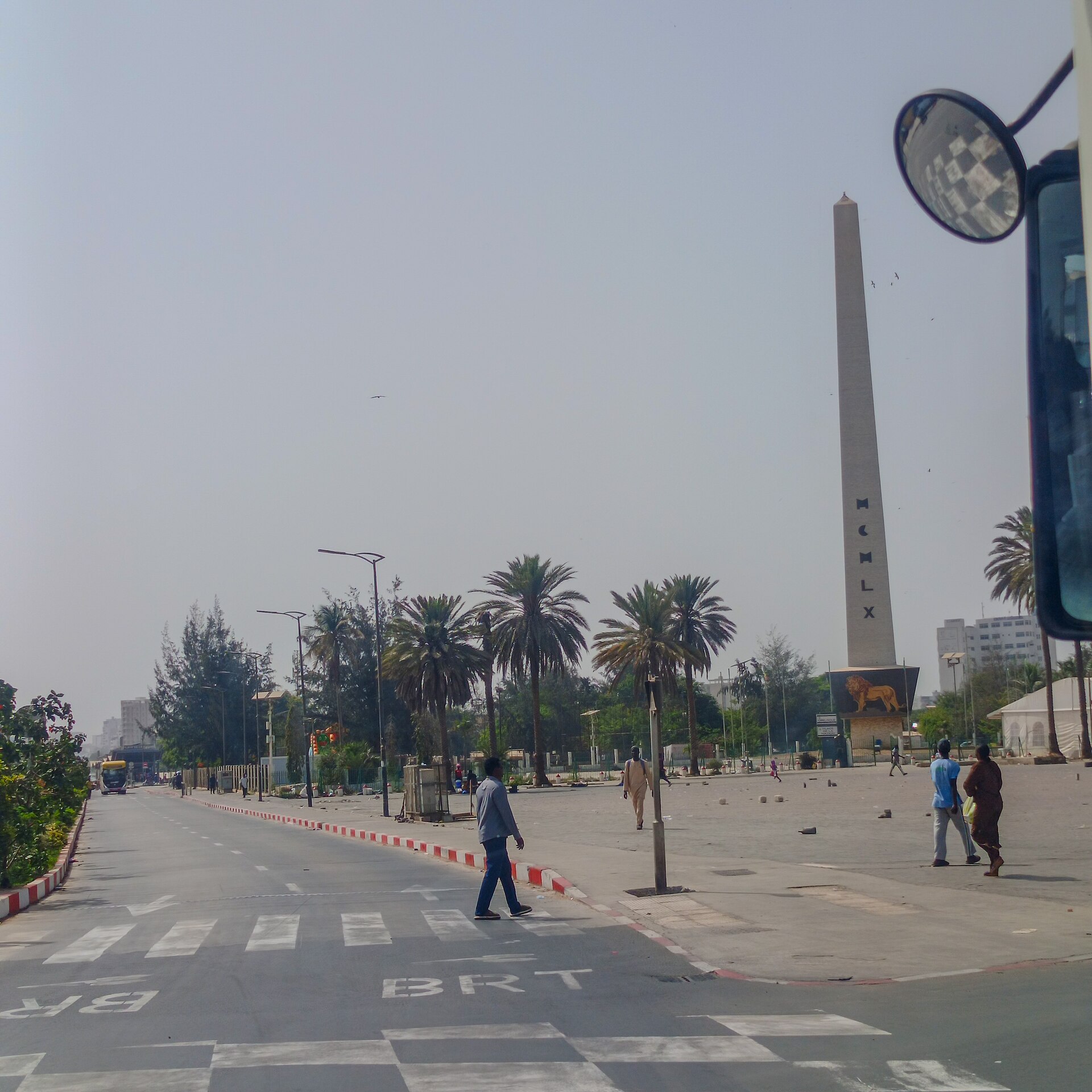
West Africa’s main regional bloc and the military-led Alliance of Sahel States agreed in Dakar on Oct. 17, 2026, to set up joint working groups to draft a cooperation framework, almost 21 months after Mali, Burkina Faso and Niger left the Economic Community of West African States (ECOWAS).
The meeting of foreign ministers produced a process, not a deal: no new trade arrangement was announced and no existing cross-border rules changed, the Guardian Nigeria reported. For Canadians, the outcome matters mainly because the three landlocked countries sit on some of Africa’s biggest gold deposits, including the Fekola mine in Mali run by Vancouver-based B2Gold, and because Ottawa tells Canadians to avoid all travel to both Mali and Burkina Faso.
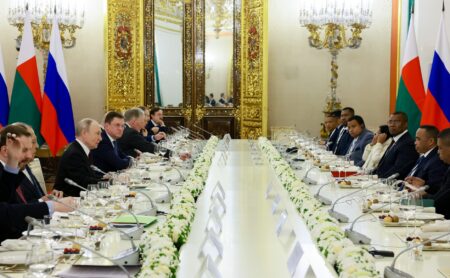
Senegal’s Foreign Minister Cheikh Niang, who chairs the ECOWAS Council of Ministers, led the bloc’s delegation, the Guardian Nigeria reported. Burkina Faso’s Foreign Minister Karamoko Jean-Marie Traore, who chairs the Sahel alliance’s ministerial steering committee, led the other side. Senegalese President Bassirou Diomaye Faye hosted the talks, and both delegations thanked him.
The two sides said future relations should rest on good neighbourliness and respect for sovereignty. Their joint communique called for “a balanced and realistic framework that protects the interests of their respective populations,” the Guardian Nigeria reported. The working groups will hold technical talks and report to ministers before the next session. No date or venue has been set.
Premium Times of Abuja, in a report carried by allAfrica, said the meeting is believed to be the first official ministerial-level engagement between the two sides, although contacts have continued since the exit took effect. Earlier consultations were held in Bamako on May 22, 2025, according to the Guardian Nigeria.
Mali, Burkina Faso and Niger announced their withdrawal in January 2024 after coups, a dispute over ECOWAS sanctions and disagreement over the return to civilian rule. The exit formally took effect on Jan. 29, 2025. The three countries have since moved away from France and closer to Russia, a shift Premium Times described in its report. Our report on Madagascar’s junta looks at a similar turn elsewhere on the continent.
Security is the backdrop. Premium Times said armed groups continue to attack across the three Sahel states and are pushing toward coastal countries, with violence increasingly threatening northern Benin and Togo. Nigeria, an ECOWAS member, faces Boko Haram and ISWAP insurgencies, banditry and mass kidnappings. It remains unclear whether the talks could lead the Sahel states to rejoin ECOWAS, Premium Times said, and the bloc’s traditional emphasis on democratic governance could complicate dealings with the military governments.
The economic stakes are practical. The three Sahel countries rely on neighbouring coastal states for access to seaports, and a future agreement could support cross-border trade, transport and infrastructure, the Guardian Nigeria reported.
That is where the Canadian connection lies. B2Gold holds 80 per cent of the Fekola mine in southwest Mali, with the Malian government holding 20 per cent, according to Ecofin Agency. Fekola produced 530,769 ounces of gold in 2025, making it Mali’s largest industrial gold mine, Ecofin reported on July 28, 2026. Mali issued B2Gold a permit for the nearby Menankoto deposit on Aug. 7, 2026, after more than a year of talks, according to Shore Africa, which cited B2Gold figures of more than $2 billion invested in Mali since 2014 and more than 3,300 employees, about 98 per cent of them Malian. Cross-border trade and transport rules in the region directly affect how such operations move equipment, fuel and gold.
Global Affairs Canada’s travel advice for Mali, last updated Oct. 9, 2026, says to avoid all travel, citing terrorism, kidnapping, banditry and fuel shortages. Its advice for Burkina Faso, updated Oct. 14, 2026, also says to avoid all travel because of terrorism, kidnapping and an unstable political situation. Both are the highest of Canada’s four advisory levels. Canadians with family in the region should check travel.gc.ca before any trip.
The wider region’s economy is also in view. The International Monetary Fund recently raised its 2026 growth forecast for sub-Saharan Africa, as we reported in IMF lifts sub-Saharan Africa 2026 growth to 4.5 per cent.
The next step is for the working groups to be named and to meet. Until a date for the next ministerial session is announced, nothing in the Dakar communique changes trade, travel or security arrangements for the three countries.
Via the Guardian Nigeria and Premium Times.
If you find reporting like this useful, consider supporting Canada News Media, an independent Canadian newsroom with no corporate parent.
Follow Canada News Media
Get the day's top Canadian stories and our two daily 60-second news videos wherever you scroll.
X Threads Facebook Instagram LinkedIn TikTok YouTube Pinterest Reddit Substack Flipboard Newsletter RSS