


Swap summer washer fluid for a winter-rated fluid, replace any wiper blades that streak, and keep the blades from freezing to the glass before the first snowfall. All three jobs can be done in one afternoon, before the first real storm arrives.
The steps below draw on guidance from The Weather Network, AAA and insurer BrokerLink’s Canadian car maintenance checklist. Ice, snow and freezing rain wear wiper blades down quickly in Canadian winters, BrokerLink said, and summer washer fluid can freeze in the tank.
Toyota Canada, cited by BrokerLink, recommends replacing wiper blades at least twice a year, or sooner if they show wear. BrokerLink’s seasonal checklists list the job in both spring and fall.
Step 1: Check the blades for wear. Look along the rubber edge for cracks or splits. Blades that leave streaks, skip spots or squeak across the glass are due for replacement. AAA said streaking is a sign that blades are worn or damaged.
Step 2: Replace worn blades, or switch to winter blades. AAA said winter blades have a synthetic covering that protects the frame from ice and snow, and rubber that resists freezing. Check your owner’s manual or the blade packaging for the right length and connector for your vehicle, because the driver’s and passenger’s sides are often different sizes.
Step 3: Switch to winter-rated washer fluid. BrokerLink said winter-rated fluid prevents the reservoir, hoses and nozzles from freezing, and AAA said to choose a winter-grade fluid with a deicer. Neither source gives a single temperature that suits every region, so read the label and pick a fluid rated for the coldest temperatures you expect where you live.
Step 4: Top up the reservoir. Pop the hood, find the washer fluid cap (it usually carries a windshield-spray symbol) and fill the tank. If the tank still holds summer fluid, which can freeze, use it up first and then fill the tank with winter fluid.
Step 5: Decide how to protect the blades from ice. The advice differs, and The Weather Network laid out both sides. The Canadian Automobile Association recommends keeping blades down on the glass, because lifting them may weaken their pressure over time. A blade that snaps back onto very cold glass could also crack the windshield. Rain-X recommends pulling blades off the glass in winter so ice does not build up on the rubber.
Jeremy Elliot, formerly of BeatTheTraffic.com, told The Weather Network that keeping blades up does not significantly reduce wear and can stress the arm springs, but that if lifting them works for you, you should feel free to keep doing it.
Step 6: Try a no-lift alternative. Daniel Martins, a product specialist with The Weather Network, suggested wiping the blades with rubbing alcohol, which has a very low freezing point, to help keep them from sticking to the glass. He also suggested covering the blades with old wool socks the night before a storm so the ice stays off. AAA listed plastic bags held on with rubber bands as another option.
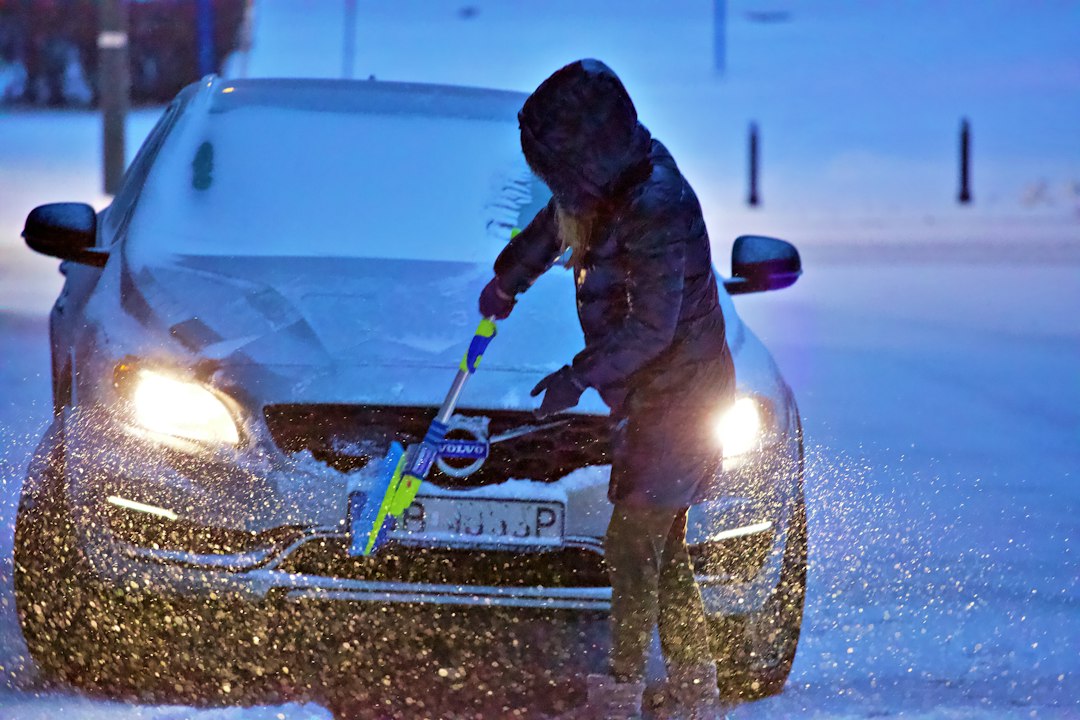
Step 7: Clear the glass the right way. AAA said not to use wipers to push snow, because the weight and resistance can damage them, and not to pull frozen wipers free, which can rip the rubber or bend the frame. Do not run the wipers over a frozen windshield, which can chip the rubber. Use a brush and scraper instead, and run the defroster until the ice softens. Do not pour hot water on the glass, because it can crack. Our guide to defrosting a car windshield fast covers that part in more detail.
Step 8: Test everything before the first storm. Spray the washers and run the wipers on a mild day to confirm the nozzles are clear, the spray hits the glass and the blades clear it in one pass.
Wipers are one item on a longer fall checklist. If you have not yet looked at your tires, see our guide to checking tire tread and pressure for winter, and our step-by-step on jump-starting a car in cold weather for the morning the battery gives out. Drivers building a full kit can also read our winter car emergency kit guide.
If you find reporting like this useful, consider supporting Canada News Media, an independent Canadian newsroom with no corporate parent.
Sources: The Weather Network, AAA, BrokerLink.
Follow Canada News Media
Get the day's top Canadian stories and our two daily 60-second news videos wherever you scroll.
X Threads Facebook Instagram LinkedIn TikTok YouTube Pinterest Reddit Substack Flipboard Newsletter RSS