


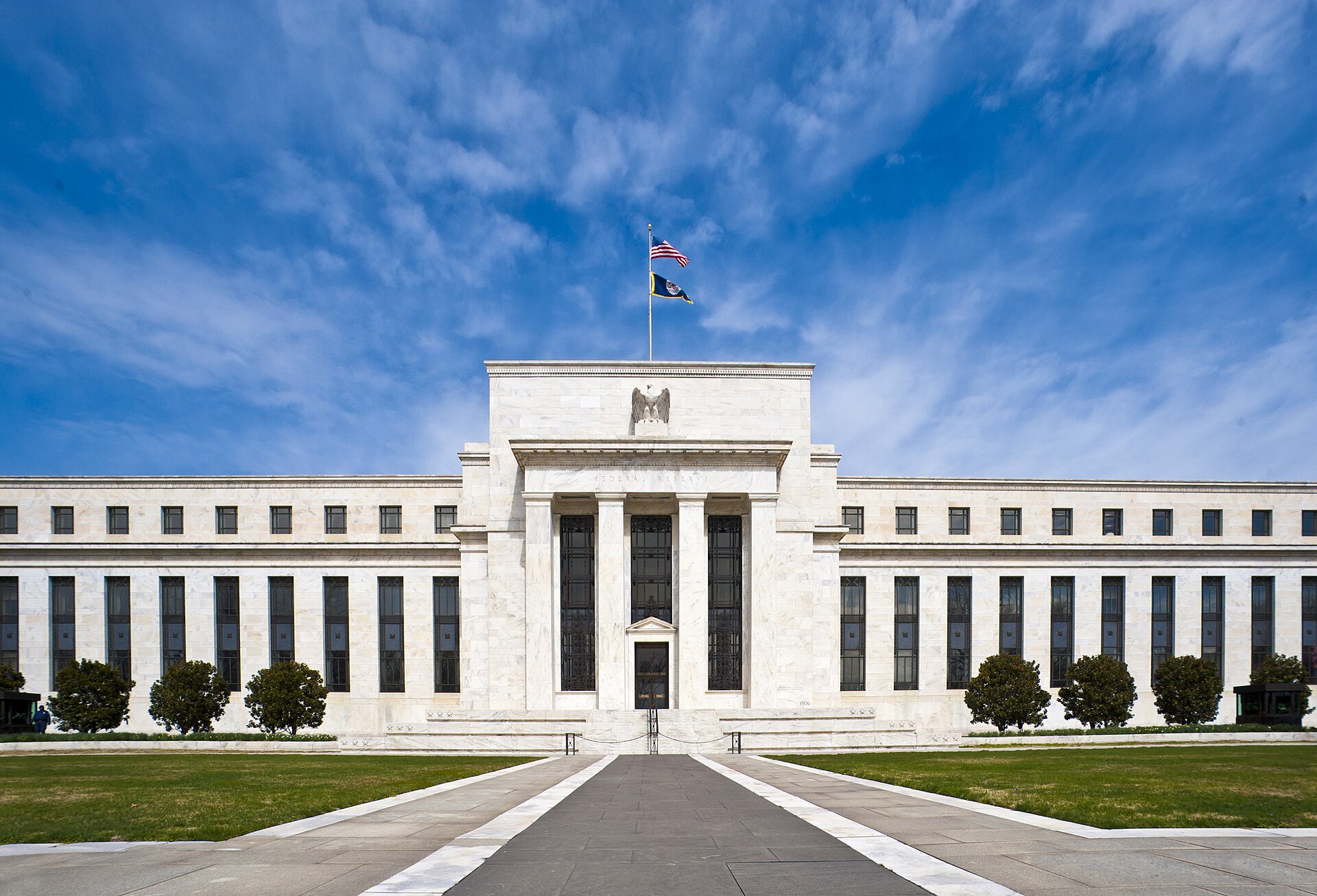
The U.S. Federal Reserve and the Bank of Canada both announce interest rate decisions on Oct. 28, with inflation running above target in both countries and a hike on the table at each central bank.
The Fed’s benchmark rate sits at a range of 3.75 per cent to 4 per cent after it raised rates by a quarter of a percentage point on Sept. 16, its first increase since July 2023 and the first under Chair Kevin Warsh, according to Trading Economics and Keeping Up With Inflation. The Bank of Canada’s policy rate has been 2.25 per cent since October 2025.
The Fed vote in September was 12-0, according to Keeping Up With Inflation, which said the committee had split 9-3 in July, when three regional presidents wanted a hike. Warsh said at his September news conference that inflation had been “too high … for too long,” the same source reported.
Forbes contributor Simon Moore wrote on Oct. 19 that the CME FedWatch tool put the chance of the Fed holding rates in October at about 80 per cent. The next Fed meeting after Oct. 28 is Dec. 9, and Moore wrote that policymakers will not update their projections until then. Markets expect another hike on that date, he wrote.
Warsh did not signal what the Fed would do. Speaking at the International Monetary Fund meetings in Bangkok, he said “I don’t prejudge meetings,” Trading Economics reported on Oct. 16. Traders trimmed bets on an October hike after those comments.
Price pressures are the reason the decision is live. U.S. consumer prices rose 3.7 per cent in September from a year earlier, up from 3.4 per cent in August, the U.S. Bureau of Labor Statistics said Oct. 14, as gasoline jumped 9.1 per cent in the month. Our report on the September U.S. inflation data has the full breakdown.
Canada faces a similar squeeze. Statistics Canada reported on Oct. 19 that annual inflation rose to 3.1 per cent in September, driven by a 27.8 per cent jump in gasoline prices, as reported in our look at Bank of Canada hike odds.
A Reuters poll of economists taken Oct. 21 to 23 found 19 of 34 expect the Bank of Canada to raise its rate to 2.50 per cent on Oct. 28, and 16 of 29 expect one more increase by the end of March 2027. In the previous poll, 80 per cent of respondents had expected the bank to hold through the end of 2026, according to the poll report published by 1027 WBOW.
Royce Mendes of Desjardins said in that poll that the responses “suggest there are more serious inflationary pressures coming.” Benjamin Reitzes of BMO said the bank would “rather make the mistake of hiking a little bit too early.”
For Canadians, the two decisions matter together because the Bank of Canada sets the rate that variable-rate loans and lines of credit follow, while the Fed’s choices affect borrowing costs and currency markets across North America. The Fed and the Bank of Canada can move in different directions, and the Bank of Canada has said it makes its own call based on Canadian data.
Both announcements are scheduled for Oct. 28. The Fed’s next scheduled meeting after that is Dec. 9.
Via Forbes, Trading Economics, Keeping Up With Inflation, Reuters poll (as published by 1027 WBOW) and the U.S. Bureau of Labor Statistics. The Fed’s own September statement could not be accessed directly, so the vote and quotes are attributed to the outlets that reported them.
If you find reporting like this useful, consider supporting Canada News Media, an independent Canadian newsroom with no corporate parent.
Follow Canada News Media
Get the day's top Canadian stories and our two daily 60-second news videos wherever you scroll.
X Threads Facebook Instagram LinkedIn TikTok YouTube Pinterest Reddit Substack Flipboard Newsletter RSS