


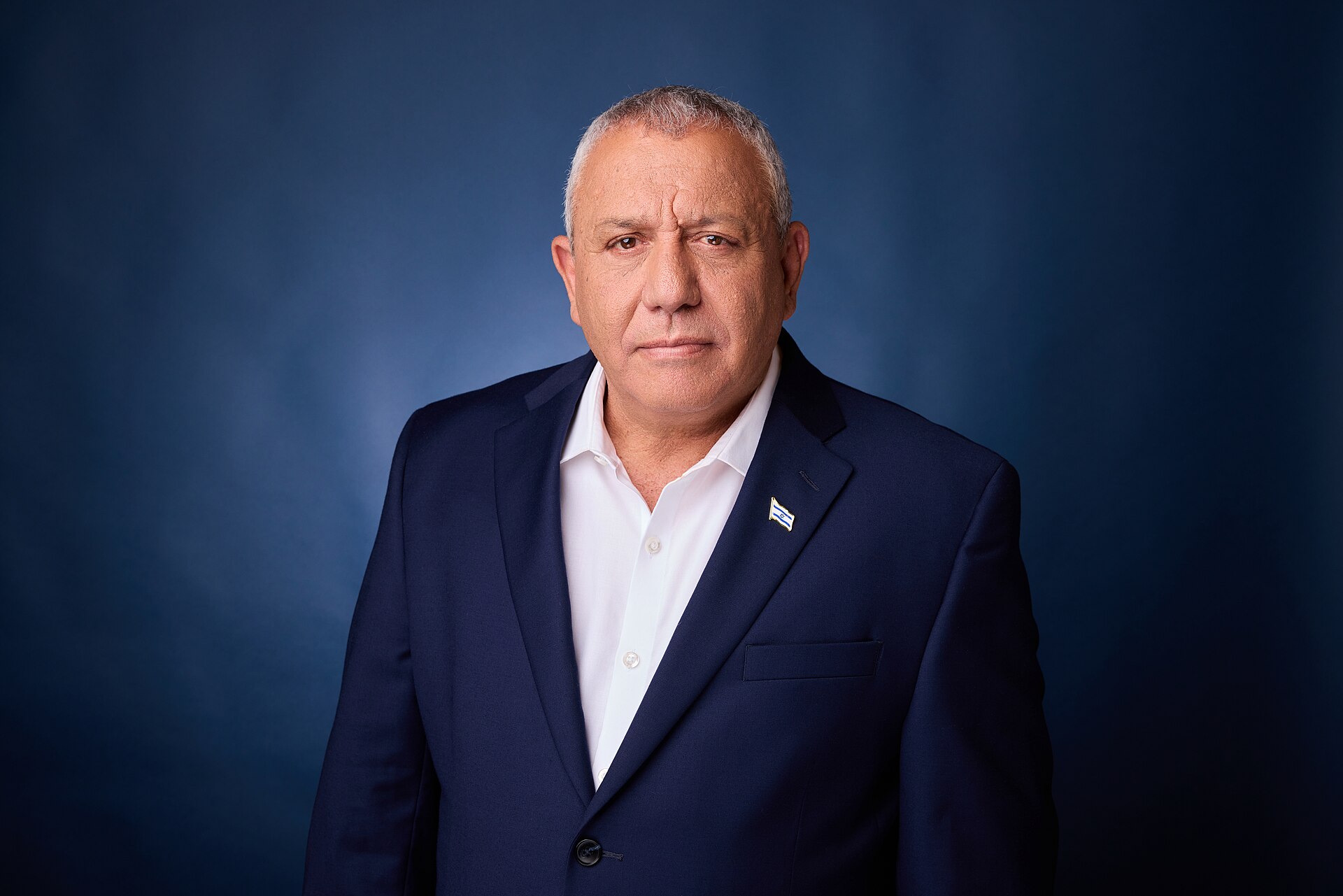
Israelis vote Tuesday, Oct. 27, in a national election where final polls show former military chief Gadi Eisenkot’s Yashar list narrowly ahead of Prime Minister Benjamin Netanyahu’s Likud, and neither side close to a governing majority.
All three major television polls released Oct. 23 gave Yashar 22 or 23 of the Knesset’s 120 seats and Likud 19 to 21, while none put either bloc at the 61 seats needed to govern, the Times of Israel reported. Ynet reported the same seat counts.
Channel 13 (Madad, 1,875 respondents, margin of error 2.3 points) gave Yashar 22 seats, Likud 19 and former prime minister Naftali Bennett’s B’Yachad list 14. Channel 12 (Midgam, 1,018 respondents, 4.4 points) gave Yashar 23, Likud 21 and B’Yachad 15. The public broadcaster Kan (Kantar, 3.0 points) gave Yashar 22, Likud 20 and B’Yachad 14.
Netanyahu-aligned parties were projected at 50 seats in all three polls, the Times of Israel said. The opposition “change” bloc was projected at 52 to 56, and the Arab parties, the Joint List and Ra’am, 14 to 16. Kan also gave four seats to a Reservists list associated with Hendel’s camp, which the other two polls left below the 3.25 per cent threshold, according to the Times of Israel and Ynet.
The polls do not agree. Channel 14 gave Netanyahu’s bloc 62 seats and Likud 30 in a survey released Oct. 21, and i24NEWS gave Likud 26 and the bloc 58 on Oct. 20, The Media Line reported. “Both cannot be accurate descriptions of the electorate,” Steven Ganot wrote in the Media Line analysis. Israeli law bars publishing new polls from Saturday until exit polls at 10 p.m. Tuesday, the Times of Israel said.
The arithmetic is hard for both sides. Eisenkot has ruled out joining a Netanyahu-led government, including in a rotation, The Media Line reported. Avigdor Liberman and Bennett have rejected relying on Arab-party votes, it said, while Ra’am leader Mansour Abbas has said he is open to joining the change bloc, but several of its parties have ruled out sitting with Ra’am, according to the Times of Israel.
After the vote, the president consults party representatives and picks a member of the Knesset to try to form a coalition, with an initial period generally of 28 days, extendable by 14, The Media Line said. Netanyahu stays caretaker prime minister until a new government is sworn in, even if Likud finishes second. If neither side can form a coalition, the Times of Israel said, repeat elections would be held in early 2027.
The vote comes during the U.S.-Iran standoff. President Donald Trump told reporters Sunday “there will not be a strike today” on Iran, Gulf News reported, and the Saudi-led coalition said it shot down a Houthi ballistic missile fired toward Riyadh on Oct. 25. Our earlier reports cover Trump’s backing of Netanyahu, the Istanbul call for diplomacy and the sealing of Hebron.
For Canadians, the Global Affairs Canada page for Israel, the West Bank and the Gaza Strip advised on Oct. 26 to “exercise a high degree of caution in Israel as the security situation may change rapidly.” The page did not show an update date, so travellers should check travel.gc.ca before any trip. Canadian fuel costs have also followed the regional conflict: Brent crude neared US$116 a barrel on Oct. 23 amid fears over the Strait of Hormuz.
First exit polls are due at 10 p.m. Tuesday, Israel time. Seat totals can shift once real ballots are counted, and the poll figures above are projections, not results.
Via The Times of Israel, Ynet, The Media Line and Gulf News.
If you find reporting like this useful, consider supporting Canada News Media, an independent Canadian newsroom with no corporate parent.
Follow Canada News Media
Get the day's top Canadian stories and our two daily 60-second news videos wherever you scroll.
X Threads Facebook Instagram LinkedIn TikTok YouTube Pinterest Reddit Substack Flipboard Newsletter RSS