


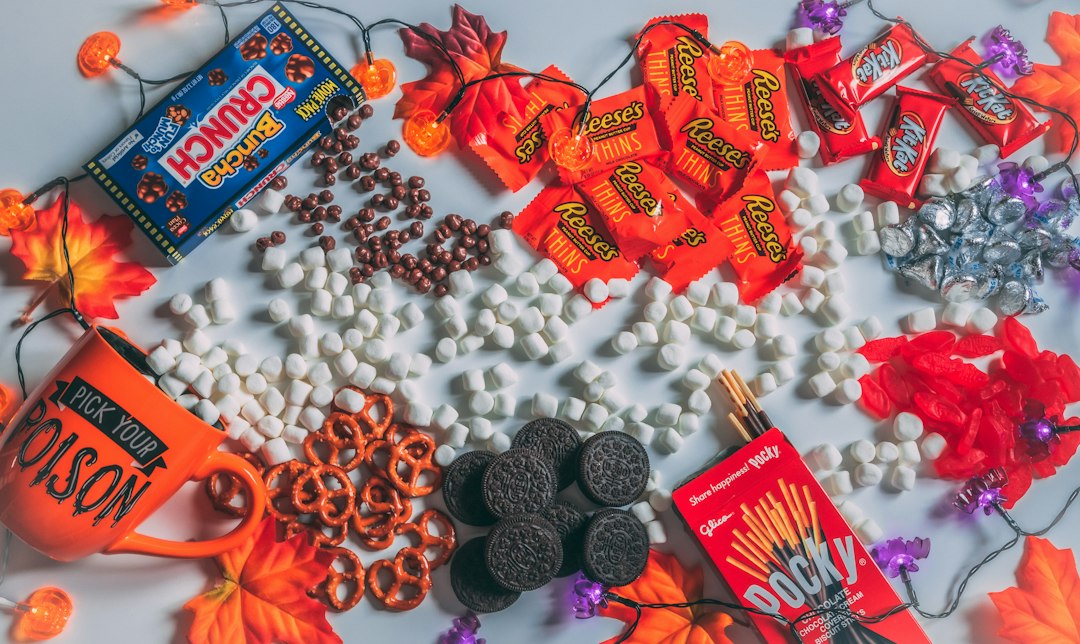
Halloween falls on a Saturday this year, Oct. 31, which means many Canadian kids will be out after dark and bringing home a bag full of candy. Health Canada has long-standing, practical guidance for families on how to handle the night, from what to check in the loot bag to which treats can be risky for young children or kids with allergies.
The advice is simple, and most of it takes only a few minutes. Here is a plain-language rundown of what the federal health department recommends.
Before kids head out
Health Canada suggests feeding children a meal before they leave the house. A full stomach makes it less likely they will snack heavily on candy while walking from door to door.
Children should also be told not to accept or eat any treats that are not commercially packaged. That rule is the foundation of the department’s guidance: if it is not sealed in its original wrapper, it is not worth the risk.
On the safety side, the department recommends giving each child a flashlight so they are easier to see, and sticking to well-lit areas. Children should visit only homes with the outdoor lights on, and they should not go inside a home or get into a car, even if someone invites them. Brightly coloured costumes with reflective tape help drivers spot kids on the road.
Costumes, masks and decorations
Health Canada advises checking its recalls database to make sure costumes, string lights, decorations and accessories have not been recalled. Its guidance notes that flowing skirts, capes, baggy sleeves, oversized costumes and loose accessories such as beards, wigs and feathers can catch fire near flames. Nylon or heavyweight polyester may be safer fabrics. Costumes should not be so long or baggy that a child could trip.
Face paint or makeup can be a safer choice than a mask, since masks can block vision or breathing. If a child does wear a mask, the department says to make sure they can see and breathe easily.
Face paint can also cause reactions. Health Canada recommends doing a patch test before using it. It points out that products labelled "hypoallergenic" can still cause a reaction. If a child has a known skin allergy, check the ingredient list or contact the manufacturer.
For decorations, keep candles, matches and lighters out of children’s sight and reach. The department suggests LED candles or lights inside jack-o’-lanterns to cut down on open flames.
Checking the candy when kids get home
The most important step comes after the trick-or-treating is done. Health Canada says children should not eat any candy until an adult has checked it. Before opening anything, it also helps to have children wash their hands.
- Throw away anything homemade.
- Look closely at commercially wrapped treats for small holes or tears.
- Discard anything that is unwrapped, torn or in loose packaging.
The department’s motto for the night is short: "When in doubt, throw it out!"
Choking hazards for young children
Health Canada advises caution with treats that can cause choking, including chewy candy, gum, hard candy, lollipops and peanuts. For young children, it suggests removing gum, peanuts, hard candies and small toys from the loot bag. It also says children under three should not play with toys that have small parts.
If your child has allergies
Common allergens in candy include peanuts, tree nuts, soy, wheat, milk and eggs. Health Canada’s guidance for families is to read every label carefully and to give out only treats that list their ingredients.
It also says not to give a child a product with a "may contain" warning if the child is allergic to the item named in that warning, and not to give anything you are unsure about. If a child has been prescribed an epinephrine auto-injector, the department says to make sure it is available whenever they eat Halloween candy.
The same advice applies in reverse for households handing out treats. Health Canada suggests considering non-food options or treats that are free of common allergens such as peanuts, tree nuts, milk and egg. Stickers and glow sticks are among the non-food alternatives it mentions. Choosing treats with a visible ingredient list makes it easier for parents to check.
A quick checklist for Oct. 31
- Feed kids a meal first.
- Add reflective tape and a flashlight.
- Stick to well-lit streets and homes with the porch light on.
- Check costumes, lights and decorations against Health Canada’s recalls database.
- Have an adult inspect all candy before anyone eats it.
- Toss anything homemade, unwrapped or damaged.
- Keep choking hazards away from little ones.
- For kids with allergies, read every label and keep an auto-injector close by if one has been prescribed.
None of this is meant to take the fun out of the night. The guidance is designed to let families enjoy Halloween while avoiding the most common problems, and most of it comes down to a bit of planning and a quick check of the loot bag.
This article is based on official guidance from Health Canada and is provided for general public information. It’s not a substitute for medical advice, if you have questions about how this applies to you, talk to your doctor or pharmacist.
If you find reporting like this useful, consider supporting Canada News Media, an independent Canadian newsroom with no corporate parent.
Sources: Health Canada, Halloween food safety; Health Canada, Staying safe on Halloween.
Follow Canada News Media
Get the day's top Canadian stories and our two daily 60-second news videos wherever you scroll.
X Threads Facebook Instagram LinkedIn TikTok YouTube Pinterest Reddit Substack Flipboard Newsletter RSS