

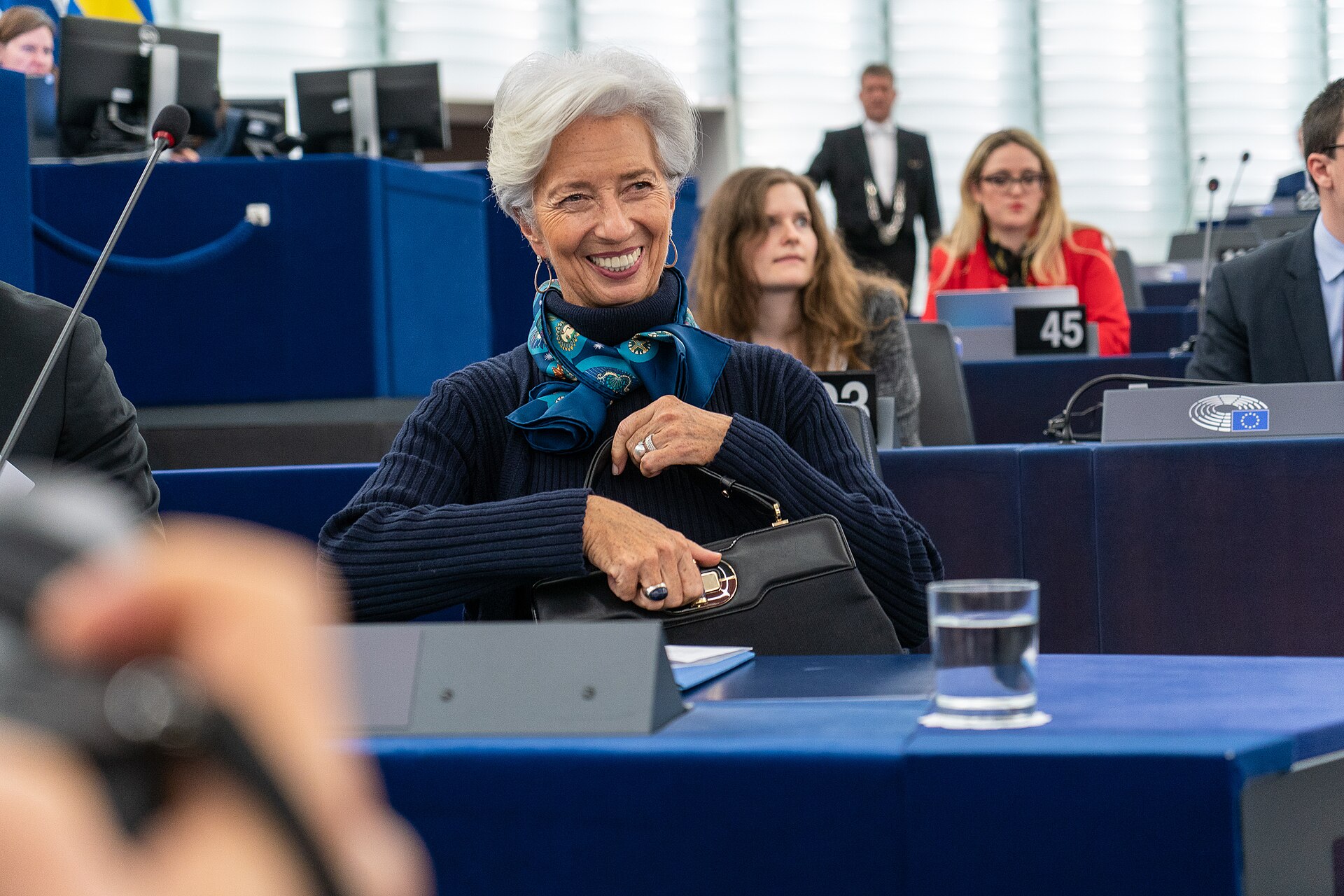
European Central Bank president Christine Lagarde will leave her post on Feb. 7, 2027, nine months before her eight-year term was due to end, the ECB confirmed Thursday.
The announcement came on the day the ECB’s Governing Council met to set interest rates, with inflation in the 20-country euro zone running at 3.8 per cent, almost double the bank’s 2 per cent target, according to Eurostat figures we reported on Oct. 20.
Lagarde told the Governing Council and European Council president Antonio Costa of her decision on Thursday, Cyprus Mail reported. Her term was due to expire at the end of October 2027. The Governing Council gave her a lengthy standing ovation, the newspaper reported.
Costa indicated that the process of choosing a successor will begin without delay, Cyprus Mail reported. No formal appointment has been announced. The newspaper named former Dutch central bank governor Klaas Knot and former Bank of Spain governor Pablo Hernandez de Cos as leading contenders, a characterization that is not official.
Under the process described by Cyprus Mail, euro-zone countries propose candidates, the Eurogroup of finance ministers and the Council consider a recommendation, and the European Council makes the final appointment after consulting the European Parliament and the ECB’s Governing Council.
A February departure would let EU leaders settle the succession before France’s presidential election in spring 2027, the newspaper reported. Lagarde, a former French finance minister and former head of the International Monetary Fund, took over from Mario Draghi in November 2019. Her term spanned the COVID-19 pandemic, the post-pandemic inflation surge, the energy crisis and a series of rate increases.
Policymakers were widely expected to keep the ECB’s deposit rate at 2.5 per cent on Thursday, with further increases possible before the end of the year. A Reuters poll of 73 economists taken Oct. 5 to 8 found 64 expected a rise to 2.75 per cent in December, as we reported in our preview of the meeting. At the time of writing, we had not independently confirmed the Governing Council’s rate decision.
Energy is the main pressure. Eurostat said energy prices were up 18.9 per cent from a year earlier in September, as covered in our report on euro-zone inflation. Cyprus Mail linked the pressure to rising oil prices and disruption to Middle Eastern energy supplies during the conflict involving Iran.
For Canadians, the change at the top of the ECB matters mainly through trade and markets. The European Union is one of Canada’s largest trading partners under the Canada-EU trade agreement, and the euro’s direction affects the price of European imports and travel. Canadians planning trips to Europe can follow federal advice at travel.gc.ca. The ECB’s next policy meeting after Thursday is expected in December, when economists are watching for a decision on a rate increase.
The announcement was reported by Cyprus Mail and by outlets including France 24, Reuters and FXStreet, whose headlines also give the Feb. 7, 2027 departure date. Via Cyprus Mail: Lagarde quits ECB nine months early as eurozone faces fresh interest rate pressure.
If you find reporting like this useful, consider supporting Canada News Media, an independent Canadian newsroom with no corporate parent.
Follow Canada News Media
Get the day's top Canadian stories and our two daily 60-second news videos wherever you scroll.
X Threads Facebook Instagram LinkedIn TikTok YouTube Pinterest Reddit Substack Flipboard Newsletter RSS