




The discount on Western Canadian Select (WCS) heavy crude widened to more than US$31 a barrel this week, the steepest gap to the U.S. benchmark since the 2018 pipeline crisis, even as West Texas Intermediate (WTI) trades near US$100.
Oil Sands Magazine reported Oct. 29 that the discount rose from less than US$22 at the end of September. WCS is projected to average about US$70 a barrel for October, down from US$77 in September, while WTI averaged about US$97 for the month. A differential above US$31 was last seen in November 2018, when the Alberta government imposed production curtailments on the largest heavy oil producers.
The magazine tied the widening to refinery problems in the U.S. Midwest, the main market for Alberta heavy oil. Workers have been locked out at BP’s 440,000-barrel-a-day Whiting refinery in Indiana since mid-March, leaving it at reduced rates. ExxonMobil’s Joliet refinery in Illinois is still recovering from a power outage in September, and Cenovus Energy’s Toledo refinery in Ohio only recently finished a planned turnaround.
With less demand from the Midwest, Alberta producers are sending more crude west. Oil Sands Magazine said October nominations on the Trans Mountain pipeline are apportioned by seven per cent, meaning shippers asked for more space than the line can carry. The pipeline ran below capacity in August and September.
CBC News reported Oct. 28 that Canadian crude typically sells about US$12 a barrel below WTI but has recently traded US$20 to US$25 below it. Al Salazar, head of macro research at Enverus, told CBC the gap has grown as tanker rates rose and more Venezuelan oil went to U.S. refiners. “Canadian producers are subject to WCS pricing,” he said.
Richard Masson, a former chief executive of the Alberta Petroleum Marketing Commission, told CBC that pipelines are largely full while oilsands output keeps growing, and he expects the squeeze to last through the winter. He said Trans Mountain and Enbridge expansions could add capacity in the next few years, and that a proposed West Coast pipeline would not be in service before 2032.
For Albertans, the gap means less money for every barrel the province exports. Charles St-Arnaud, chief economist at Servus Credit Union, told CBC the wider discount could trim Alberta’s budget surplus by several billion dollars, although he still expects strong royalty revenue. He said drivers are unlikely to see any effect at the pump.
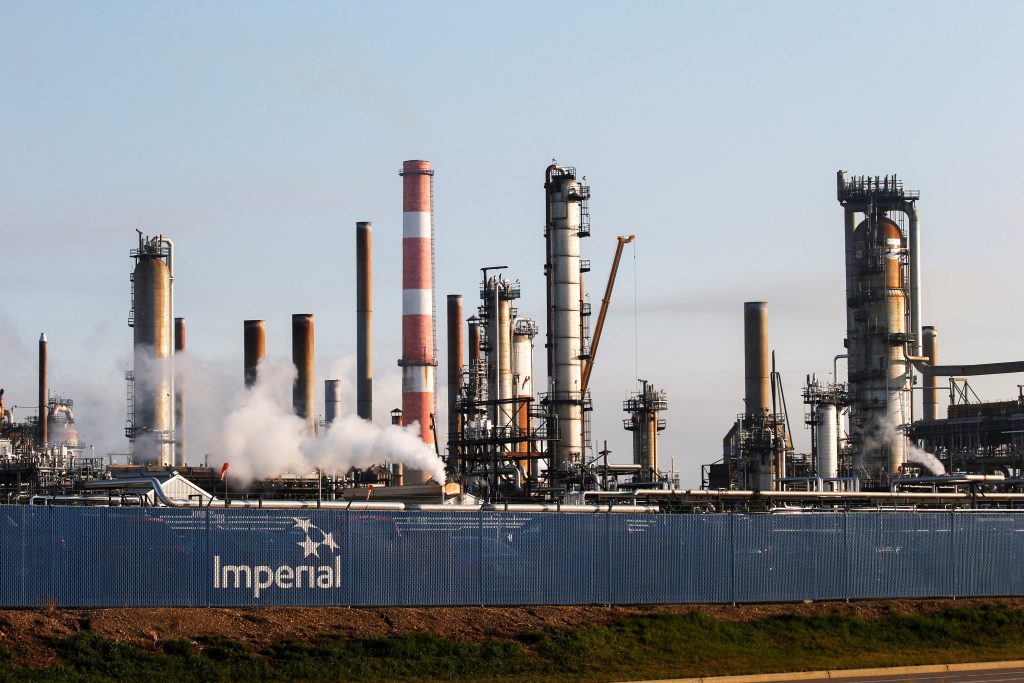
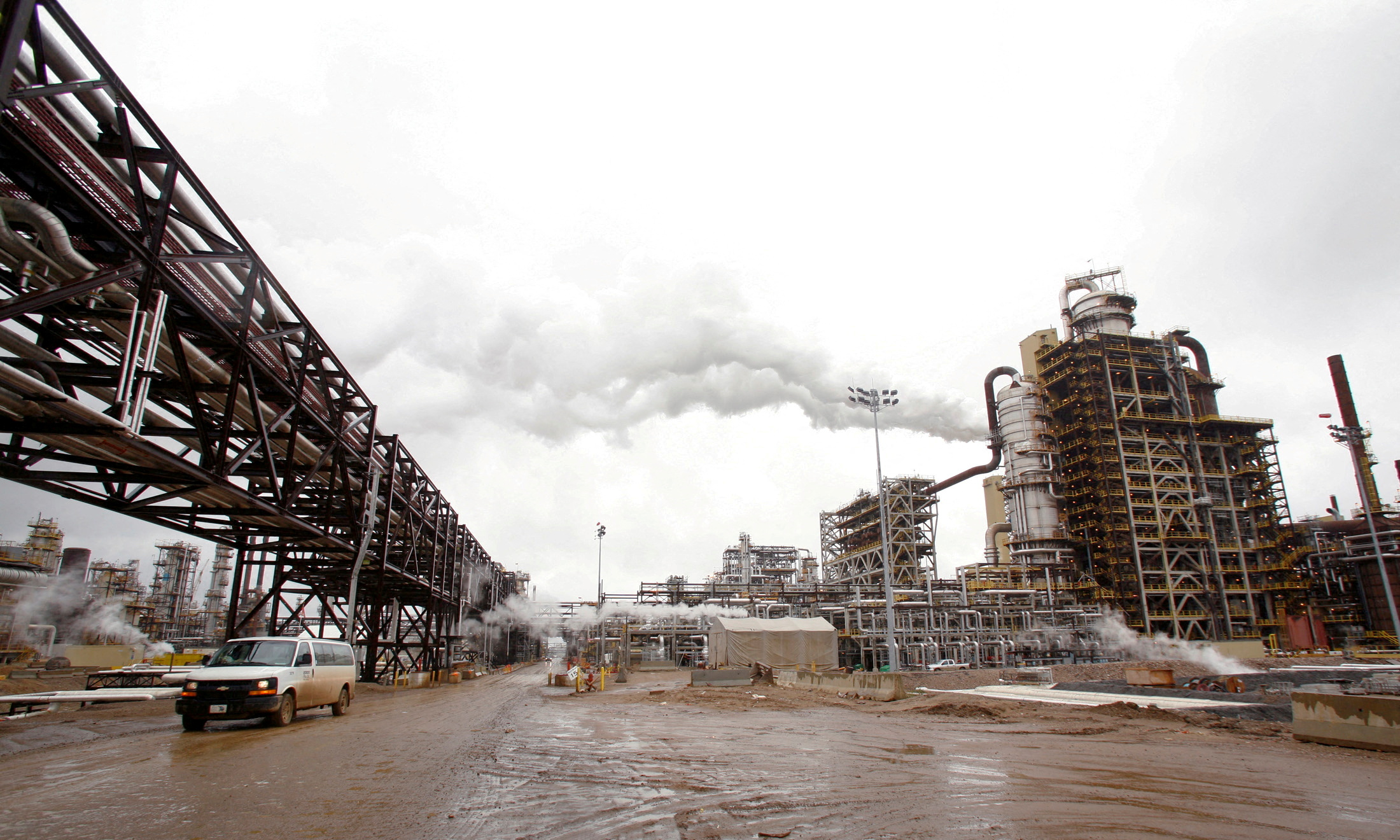
Production is not the problem. Oil Sands Magazine said thermal oilsands output averaged a record 1.8 million barrels a day in the third quarter, with Cenovus expected to report records at all four of its SAGD facilities. The widening gap adds pressure to the pipeline debate we have followed, including the Alberta-backed bill to repeal the federal oil tanker ban, Pierre Poilievre’s request that the prime minister scrap the north coast tanker ban, and Imperial Oil’s record third-quarter profit.
Sources: Oil Sands Magazine and CBC News.
If you find reporting like this useful, consider supporting Canada News Media, an independent Canadian newsroom with no corporate parent.
Follow Canada News Media
Get the day's top Canadian stories and our two daily 60-second news videos wherever you scroll.
X Threads Facebook Instagram LinkedIn TikTok YouTube Pinterest Reddit Substack Flipboard Newsletter RSS