



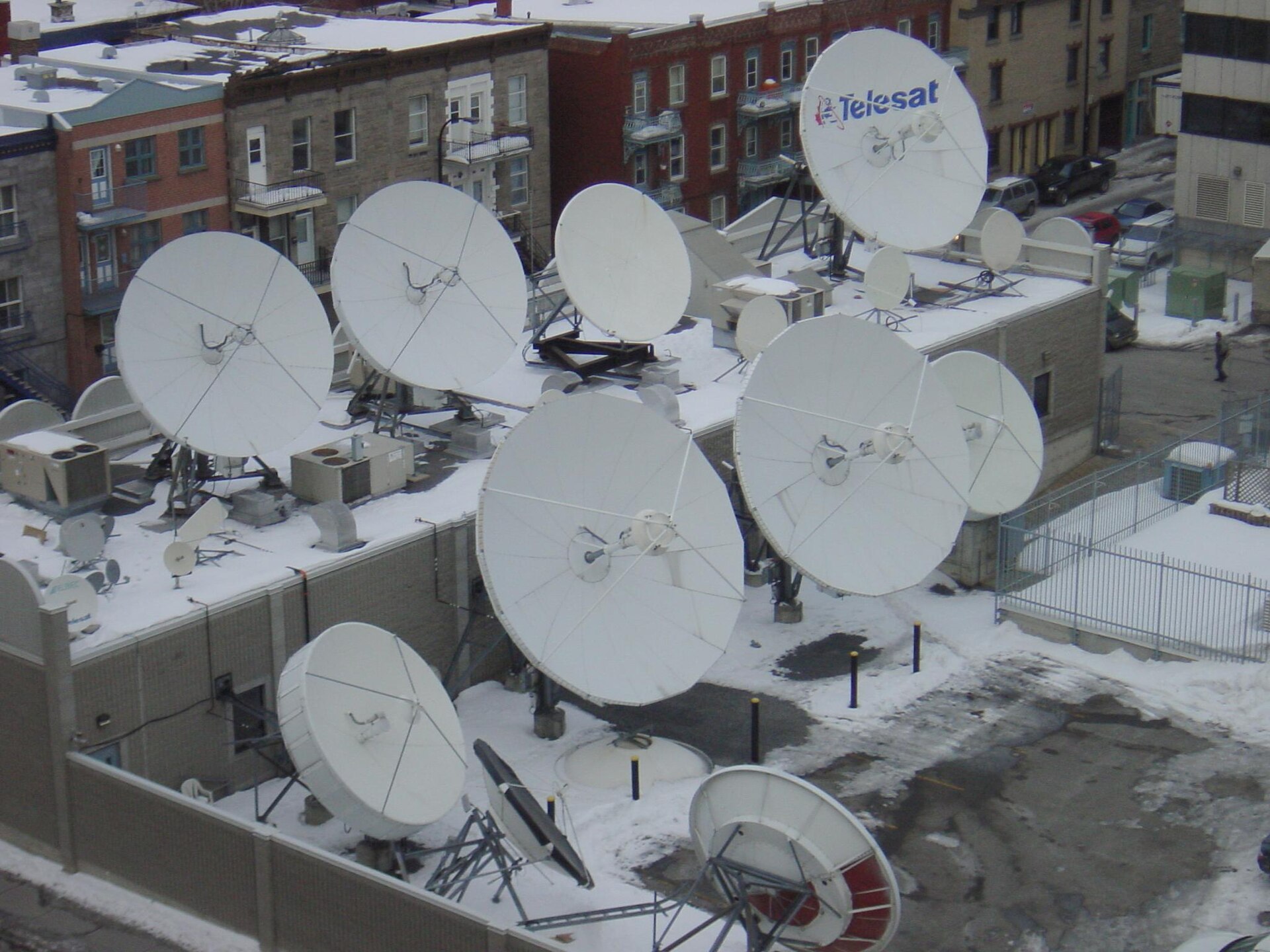
Ottawa-based satellite operator Telesat reported a wider third-quarter loss on Thursday and warned that it cannot guarantee it will be able to repay more than $2 billion in debt that comes due starting in December.
The company, which trades on the TSX and Nasdaq under the symbol TSAT, reported consolidated revenue of $81 million for the three months ended Sept. 30, down about 20 per cent from $101 million a year earlier. Its net loss was $157 million, compared with $121 million in the third quarter of 2025, according to its filing with U.S. regulators and reporting by BetaKit.
Telesat attributed part of the revenue decline to a broadcast contract that was not renewed in 2025 and to reduced contracted capacity for another broadcast customer this year.
The filing says Telesat has more than $2 billion in debt coming due in December, June 2027 and October 2027. Management said it expects to address the obligations before they mature, but that doing so depends on “a number of factors outside of the company’s control” and “there can be no assurance that these initiatives will be completed successfully.”
Telesat is working on a recapitalization plan. Its lenders have put forward a proposal under which they would receive 100 per cent of their principal, plus accrued interest, through a $1.7-billion equity rights offering and a $1.5-billion loan. The talks follow two lawsuits that alleged the company breached a credit agreement by moving part of its low-Earth-orbit business into an indirect subsidiary beyond the lenders’ reach. Telesat has said the allegations are without merit.
The company said its backlog stands at just over $6 billion in future revenue. It also said it is set to receive $2 billion in milestone-based payments from the Canadian government between the third quarter of 2026 and the fourth quarter of 2028, under an agreement signed in August.
Telesat’s shares fell almost four per cent on Thursday to just under $62 on the TSX.
The money from Ottawa is tied to the Lightspeed constellation, the low-Earth-orbit network that the federal and Quebec governments agreed to support in September 2024, a deal that drew criticism from Conservatives who wanted Elon Musk’s Starlink considered instead. Canadian carriers are also weighing satellite-to-phone partnerships, as Rogers said last weekend of SpaceX’s regulatory filings.
If you find reporting like this useful, consider supporting Canada News Media, an independent Canadian newsroom with no corporate parent.
Sources: Telesat third-quarter filing (Form 6-K); BetaKit.
Follow Canada News Media
Get the day's top Canadian stories and our two daily 60-second news videos wherever you scroll.
X Threads Facebook Instagram LinkedIn TikTok YouTube Pinterest Reddit Substack Flipboard Newsletter RSS