


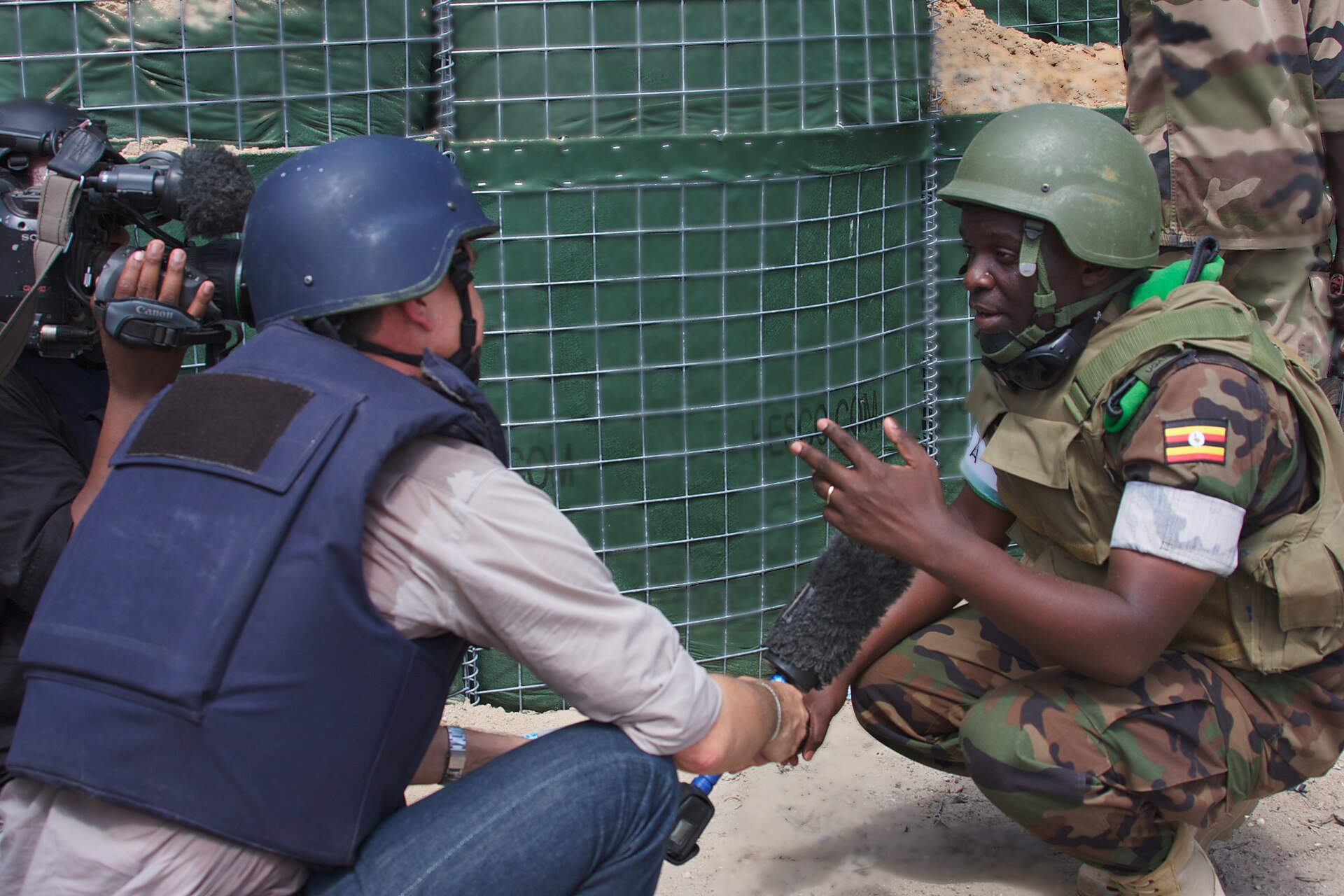
Uganda has begun pulling its troops out of Somalia after nearly 20 years on the front line against the al-Shabaab militant group, with the first 109 soldiers flying out of Mogadishu on Oct. 30, 2026.
The withdrawal removes the largest and longest-serving force from the African Union mission in Somalia just as its funding is set to shrink: the United Nations logistics office that supports the mission is due to end its support on Dec. 31, 2026, after the United States said it would not back a renewal of the mandate.
Gen. Muhoozi Kainerugaba, Uganda’s chief of defence forces, announced the start of the pullout on Oct. 29. “As we promised, we have started withdrawing UPDF from Somalia. After 20 years of a lot of blood and sacrifice we are handing over security to our Somali brothers,” he wrote on X, according to the Daily Monitor of Uganda.
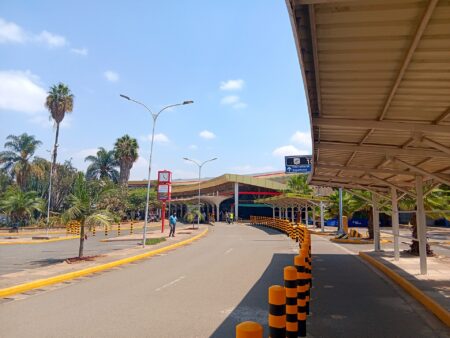
A Kenya-registered aircraft chartered by Uganda left Mogadishu airport the next day carrying the first contingent, Somali Guardian reported. The site said Ugandan forces, including those serving under the African Union Support and Stabilization Mission in Somalia (AUSSOM) and others deployed under a bilateral agreement, are based in the Lower Shabelle region, which is central to the security of the capital. The handover of forward operating bases to the Somali army is due to continue until Nov. 4, it said.
Somali Guardian reported that President Yoweri Museveni told Somali President Hassan Sheikh Mohamud he would withdraw part of his forces before Nov. 15. Mohamud had made a one-day visit to Uganda on Oct. 26 to ask for a delay, and Museveni rejected the request, the outlet said. Neither government has said how many troops will remain or when the full exit will be complete.
The Monitor reported that the United States told the African Union in July that it would not support renewing AUSSOM’s mandate before the UN Security Council in December. It also reported a 25 per cent funding cut by the UN Support Office in Somalia. Gen. Kainerugaba told regional military chiefs in July that African-led operations would have to adapt before that office wraps up its logistical support on Dec. 31.
Museveni struck a defiant tone at a summit of troop-contributing countries on July 31. “If the international community wants to pull out, let them,” he said. “Somalia will not be abandoned. We have the capacity.”
Uganda was the first country to send troops to Somalia, in 2007, under the African Union’s original mission. Its soldiers helped push al-Shabaab out of Mogadishu and other major southern towns and now hold river-crossing towns that are vital to the capital’s security, Somali Guardian said. It added that it is unclear how their departure will affect Mogadishu’s security.
For Canadians, the risk is mainly to travel and to relatives. Global Affairs Canada’s travel advice already tells Canadians to avoid all travel to Somalia because of the volatile security situation and the high threat of terrorism. Somali-Canadian families with relatives in and around Mogadishu will be watching whether security holds as the foreign force shrinks.
The exit comes as Somalia faces a political test of its own. The country has set a May 15, 2027, presidential vote amid a dispute, and the wider Horn of Africa is tense, with Ethiopian troops having entered Zalambessa on the Eritrea border.
If you find reporting like this useful, consider supporting Canada News Media, an independent Canadian newsroom with no corporate parent.
Follow Canada News Media
Get the day's top Canadian stories and our two daily 60-second news videos wherever you scroll.
X Threads Facebook Instagram LinkedIn TikTok YouTube Pinterest Reddit Substack Flipboard Newsletter RSS