
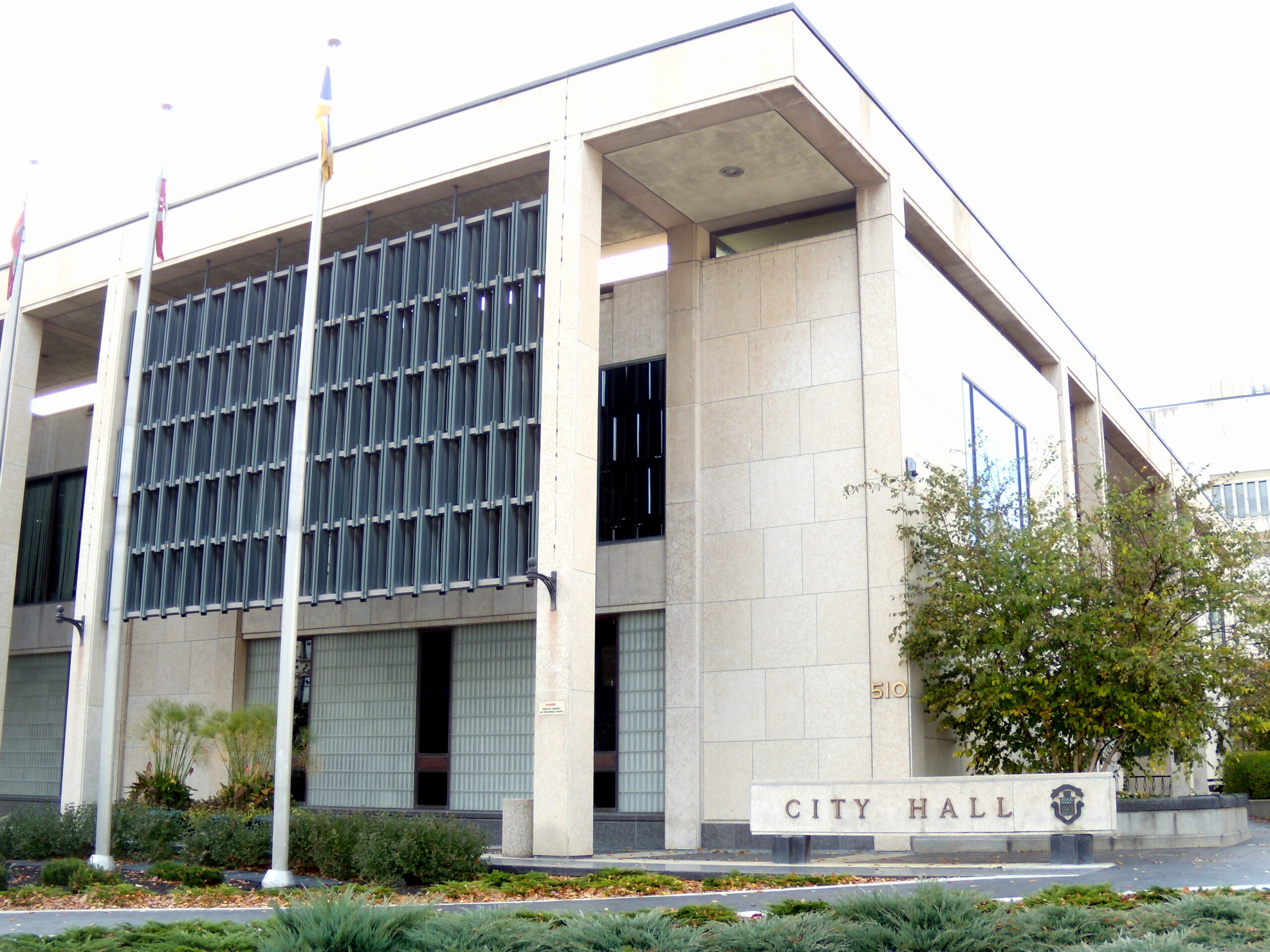
Requests for City of Winnipeg records under Manitoba’s freedom of information law have more than doubled since 2020, but only about one in 10 requests the city decided since the start of 2025 came back with everything the requester asked for.
The city received 2,169 access requests in 2025, up from 1,046 in 2020, according to its own FIPPA request responses dataset, which lists every request made under Part 2 of the Freedom of Information and Protection of Privacy Act. Through Sept. 15, 2026, the latest date in the file, it had already logged 1,723 requests this year. The count was 1,237 in 2019, 1,508 in 2022, 1,887 in 2023 and 2,042 in 2024.
Most of the demand is for police records. The Winnipeg Police Service received 1,327 of the 2,169 requests in 2025, or 61 per cent, up from 641 of 1,237 in 2019. The Winnipeg Fire Paramedic Service was a distant second, with 615 requests from January 2025 to mid-September 2026, followed by Public Works with 181, Planning, Property and Development with 145 and Transit with 137.
Of the 3,892 requests received from Jan. 1, 2025, to Sept. 15, 2026, the city recorded an access decision for 2,613. Requesters got full access in 263 of them, or 10.1 per cent. Access was partly granted in 1,900, or 72.7 per cent, and refused in 450, or 17.2 per cent. The rest of the requests were abandoned, withdrawn, ruled out of scope, disregarded, sent elsewhere, answered with records that were already public, or still open.
A refusal often does not mean the city held back a record it had. In 245 of the 450 refusals, 54 per cent, the city cited section 12(1) of the act, which covers records that do not exist or cannot be found. The law-enforcement exception in section 25 was cited in 114 refusals, and third-party privacy, section 17, in 79.
When the city kept some or all of a record back, privacy was the most common reason. Section 17 was cited in 1,658 of the 2,350 partial grants and refusals, or 71 per cent, and section 25 in 1,483, or 63 per cent. Section 17 is one of the act’s mandatory exceptions, which the city must apply; section 25 is discretionary, so the city chooses whether to use it.
The Mayor’s Office received 22 requests in the period and recorded a decision on 14. None was granted in full: six were partly granted and eight refused. All eight refusals cited section 12(1), meaning the office said it had no records that matched. Among them were requests for complaints about the mayor and for travel and expense records. The City Clerk’s office, which received 105 requests, recorded decisions on 15 and refused nine.
The act says a public body must make every reasonable effort to answer within 45 days, and lets it extend that by up to 30 more days, or longer with the Manitoba Ombudsman’s agreement. For requests received in 2026 that were finished, the city took an average of 29.3 days, up from 22.0 days for requests received in 2024 and 24.2 days in 2025. The share finished in more than 45 days rose to 16.4 per cent this year, or 251 of 1,527, from 9.3 per cent in 2024 and 11.6 per cent in 2025. Requests taking more than 75 days, past the standard 30-day extension, numbered 40 in 2024, 47 in 2025 and 46 so far in 2026, from fewer requests. The longest request received since January 2025 took 258 days.
Speed varies by department. Police requests received since January 2025 took an average of 20.8 days, and 5.2 per cent ran past 45 days. Fire paramedic requests took an average of 38.8 days, and 29.4 per cent ran past 45 days. Community Services averaged 47.1 days and the Mayor’s Office 53.0 days, both on small numbers of requests.
The dataset does not show whether the city extended a deadline, so a request that took longer than 45 days was not necessarily late under the law. It also does not show who made each request, whether anyone complained to the Ombudsman, or whether the Ombudsman later ordered more records released. The city says it does not post the full response for requests for a person’s own information, or for requests that were abandoned, withdrawn or transferred, though those requests are still listed. Department names changed in 2023, and we matched the old and new names for police and fire paramedic counts.
Anyone can make a request to the city through its access and privacy office, and anyone unhappy with a response can complain to the Manitoba Ombudsman.
How we checked: We downloaded all 16,191 rows of the City of Winnipeg’s FIPPA Request Responses dataset on Nov. 21, 2026 (requests received July 2015 to Sept. 15, 2026) and counted requests by year received, by department, by access decision and by the sections of the act cited. We measured processing time as calendar days between the received and completed dates for finished requests, and compared the result with the 45-day limit and 30-day extension in sections 11 and 15 of the act. Percentages of decisions use only requests with a recorded access decision. Each count was run twice.
Follow Canada News Media
Get the day's top Canadian stories and our two daily 60-second news videos wherever you scroll.
X Threads Facebook Instagram LinkedIn TikTok YouTube Pinterest Reddit Substack Flipboard Newsletter RSS