


About half of Pacific salmon populations in British Columbia and Yukon remain below their long-term average, and steelhead are in serious decline in nearly every region, according to the Pacific Salmon Foundation’s State of Salmon 2026 report.
The foundation, which scheduled a public webinar on the report for Nov. 23, puts the share of populations below their long-term average abundance at 51 per cent. The report covers six species, including steelhead.
That compares with two-thirds of populations in last year’s edition, which the foundation released in September 2025. This year, the foundation says some populations moved from just below to just above their long-term averages.
“Incremental improvements in the state of salmon give us reason for cautious optimism,” Katrina Connors, a senior director with the foundation, said in its summary of the report. She added that “a good year doesn’t undo decades of decline.”
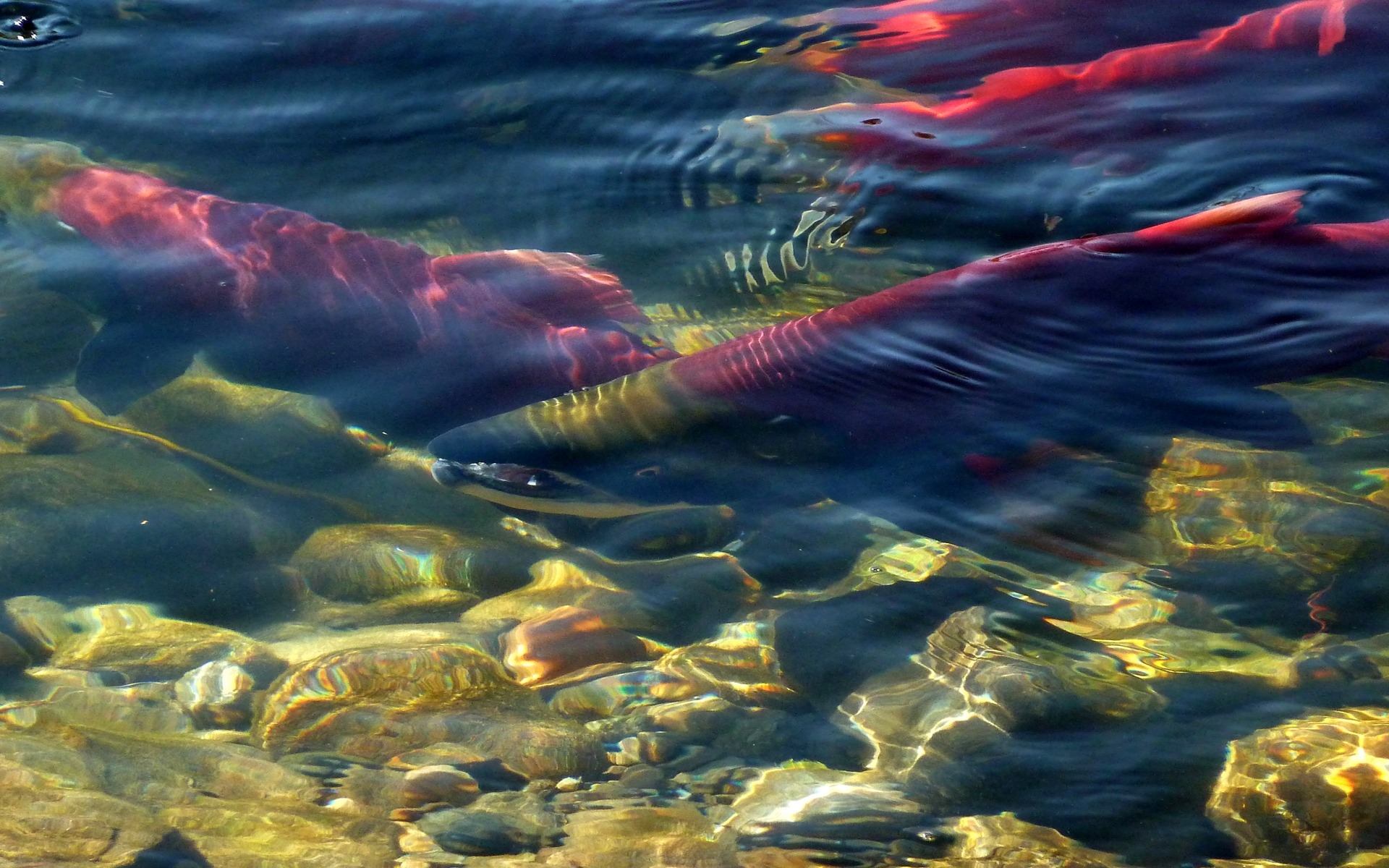
Sockeye spawner abundance is now above the long-term average in every region except East Vancouver Island and Mainland Inlets, helped by strong returns in 2025. Fraser sockeye spawner abundance is assessed at 60 per cent above average, although total abundance, which includes fish harvested or lost on the way to spawning grounds, is still below average.
The picture changed this year. The 2026 Fraser sockeye run, in a dominant year of the fish’s four-year cycle, was downgraded by more than 60 per cent during the season, the foundation said.
Steph Peacock, who leads the foundation’s salmon assessment team, said the swing from 2025 to 2026 shows the need to interpret any single year with caution, and that changing ocean conditions are making returns increasingly uncertain.
Steelhead have the lowest abundance of the six species, with spawners below the long-term average in every region except the Nass, according to the report. No Thompson River summer steelhead were caught in the 2025 Fraser test fishery, a first in its 40-year history.
Only one natural-origin steelhead spawner was detected in 2025 in the B.C. portion of the Okanagan basin. Early reports from the Skeena River suggest returns there may be stronger in 2026, but the foundation said concerns remain and steelhead monitoring across the province is sparse.
Chum salmon have had the steepest declines of any species, with spawner abundance below average in all regions except the Nass, the report says.
Chinook have increased in southern regions but are still below average in much of northern B.C. and Yukon. Coho are doing well in some southern areas, while populations from Haida Gwaii to the Northern Transboundary region are near or below average. Pink salmon are well above average in most regions.
Jason Hwang, the foundation’s chief program officer and vice-president, told CBC there is “no one simple story” that covers the situation for all salmon.
The Pacific coast has also seen record-warm water that scientists say points to El Nino. Earlier this year, Ottawa put out $412.9 million to renew the Pacific Salmon Initiative.
If you find reporting like this useful, consider supporting Canada News Media, an independently owned Canadian newsroom.
Sources: Pacific Salmon Foundation State of Salmon reports and summaries; CBC News.
Follow Canada News Media
Get the day's top Canadian stories and our two daily 60-second news videos wherever you scroll.
X Threads Facebook Instagram LinkedIn TikTok YouTube Pinterest Reddit Substack Flipboard Newsletter RSS