


Scientists with Ocean Networks Canada have recorded record-high water temperatures off British Columbia’s coast this month, saying the warming points to an El Nino pattern arriving on top of long-term climate change.
A sea-floor observatory at Barkley Canyon Upper Slope, west of Vancouver Island, measured 8.21 C at a depth of 400 metres on Nov. 8, the University of Victoria initiative said in a statement Tuesday. That is 2.49 C above the site’s long-term average since monitoring began in 2009 and 0.89 C above the previous record, set in 2019. A deeper site on the Clayoquot Slope, more than 1,200 metres down, has also logged temperatures well above average. The deepest site, in the Cascadia basin at 2,650 metres, is the exception and remains within its usual range.

Jay Cullen, an oceanographer and the group’s interim president and CEO, said El Nino weakens the winds that normally push warm water toward Asia and Australia. The water then “sloshes back” east and travels north along the coast of the Americas as a trapped wave. Calmer upwelling winds in recent days made the arrival of the warm water more dramatic, he said.
Cullen said El Nino is a natural cycle, but it is playing out against global heating that already stresses ecosystems. Warmer water holds less dissolved oxygen, which matters for salmon and herring fisheries and for habitat used by endangered southern resident killer whales in the Salish Sea. Warming that reaches deep water is a concern, he said, because many organisms retreat there to find cooler conditions.
The pattern also raises sea levels. “We’ve got about 15 centimetres (of) additional sea level increase,” Cullen said, adding that winter storms and king tides raise the risk of coastal flooding. He said the pattern will likely peak early next year and ease heading into spring, and that his group is working with Fisheries and Oceans Canada to monitor the effects.
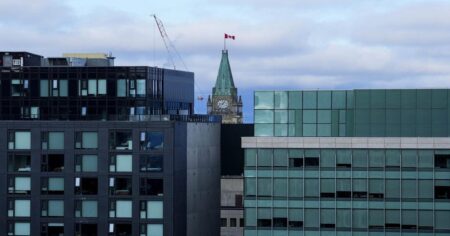
Cullen noted that the coast also hosts major economic activity, including the Roberts Bank terminal expansion at the Port of Vancouver that Ottawa has backed. Growth in shipping, he said, “needs to go hand in hand with monitoring and environmental stewardship.”
The readings follow weeks of severe weather in the province. Canada News Media has reported on flooding that shut Highway 99 at Pemberton, and explained what a super El Nino could mean for a milder winter in Canada. Our 2026-27 winter forecast by region covers what to expect elsewhere.
Details come from Ocean Networks Canada and reporting by The Canadian Press.
If you find reporting like this useful, consider supporting Canada News Media, an independently owned Canadian newsroom.
Follow Canada News Media
Get the day's top Canadian stories and our two daily 60-second news videos wherever you scroll.
X Threads Facebook Instagram LinkedIn TikTok YouTube Pinterest Reddit Substack Flipboard Newsletter RSS