

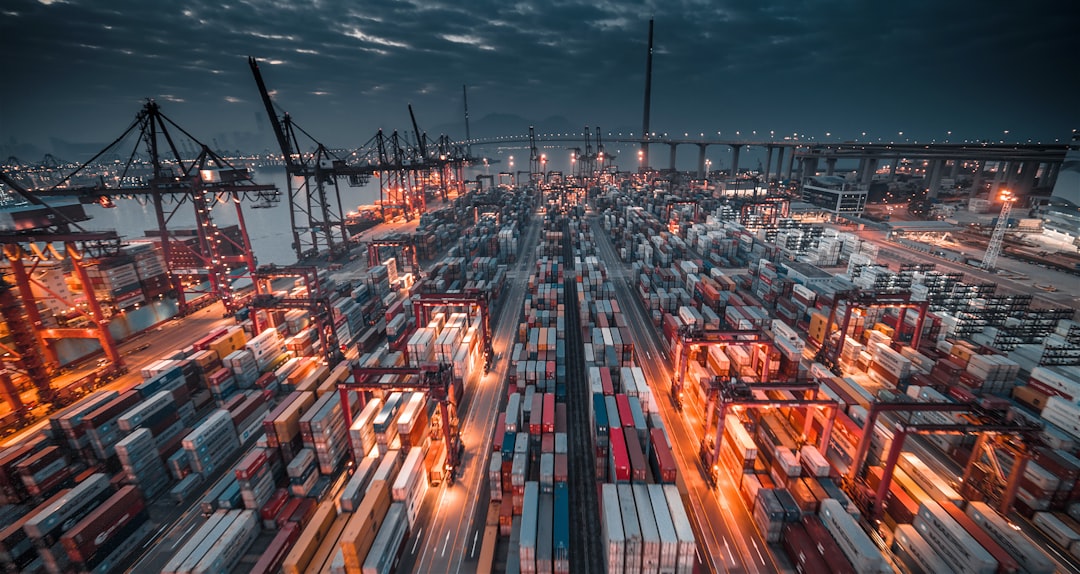
Canada will impose retaliatory tariffs on C$27.6 billion worth of US goods starting September 8, Finance Minister Dominic LeBlanc announced Tuesday, matching the latest round of tariffs US President Donald Trump slapped on Canadian exports. Steel, aluminum, furniture and clothing face a 50% counter-tariff, while dairy, appliances and seafood face 25%, and the government paired the move with a C$7.5 billion support package for affected workers and businesses. That much is confirmed and already widely reported. The more useful question for Canadians is what actually happens once tariffs like these land — and Canada has run this experiment before.
What Gets More Expensive, and By How Much
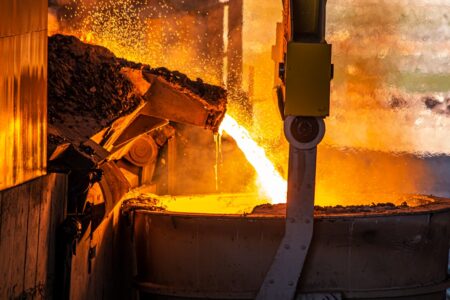
The tariff schedule released by the Department of Finance splits roughly 700 US products into three tiers. Steel, aluminum, furniture and apparel face the steepest 50% rate — steel and aluminum duties are doubling from the 25% level Canada set earlier this year. A 25% tier covers household appliances, cheese and other dairy products, fish and seafood, and certain steel and aluminum derivatives. A lighter 15% tier applies to items like rubber molds and machinery parts. Sectors most exposed include steel and aluminum fabrication, dairy processing, appliance manufacturing, and pulp and paper — industries concentrated in Ontario, Quebec and parts of Atlantic Canada.
What almost no coverage of Tuesday’s announcement mentioned: Statistics Canada’s own analysis of the 2018-19 tariff round found that only about 13% of the goods in Canada’s consumer price basket are imported, which is why economists at the time judged the inflationary hit to be “modest” rather than sharp. That doesn’t mean zero — dairy, appliances and furniture are precisely the categories where price pass-through tends to show up fastest, since retailers with thin margins pass tariff costs to shelf prices within weeks rather than absorbing them.
The 2018 Precedent: Modest Prices, Real Job Losses
This is not Canada’s first retaliatory tariff package against the US. In 2018, Ottawa hit US steel with 25% duties and aluminum with 10%, alongside tariffs on a similar basket of consumer goods, in response to Trump-era Section 232 tariffs. The aftermath, documented by Statistics Canada and peer-reviewed research published in Canadian Public Policy, is instructive: American steel imports into Canada fell 38.3% in the first month of retaliation and a further 10.8% the month after, and the value of Canadian steel and aluminum exports to the US roughly halved relative to non-tariffed products.
The employment picture cuts both ways in a way rarely spelled out for readers. Analysts estimated the 2018-19 tariffs created around 1,000 new jobs in domestic steel production — the intended protective effect — but an estimated 75,000 manufacturing jobs were lost across firms that use steel or aluminum as an input, because their costs rose. If that ratio holds even loosely this time, the appliance, furniture and machinery manufacturers now facing 25-50% tariffs on their own inputs are a bigger part of the story than the steel producers Ottawa is trying to protect.
The Support Package’s Unanswered Math
The C$7.5 billion package — C$3.5 billion for EI measures including a waived one-week waiting period for tariff-affected workers, and C$2 billion for a “Canada Strong” diversification fund offering loans of C$250,000 to C$5 million — is being layered on top of nearly C$25 billion in trade-related supports Ottawa says it has rolled out over the past 18 months. That brings cumulative federal tariff-response spending to roughly C$32.5 billion since early 2025, a figure that wasn’t highlighted in Tuesday’s announcement or most of the day’s coverage. Whether that pace is sustainable if the trade dispute drags on, as it now has for well over a year, is the follow-up question nobody in Ottawa was asked on Tuesday.
What to Watch
The tariffs take effect just under two weeks from now. Based on the 2018 pattern, the earliest visible signs will likely be a sharp drop in the targeted US import categories within a month, followed by slower-moving price increases at grocery and appliance retailers. The bigger unknown is whether manufacturers who depend on now-tariffed steel, aluminum and machinery parts absorb the cost, pass it to consumers, or cut staff — the exact tradeoff that defined the last round.
Attribution: via CBC News. Additional data from Statistics Canada, the Business Data Lab, and Canadian Public Policy journal research on the 2018-19 tariff round.
Sourcing notes: Verified against CBC News, The Globe and Mail, CNBC, and Canada.ca (Dept. of Finance release). Historical comparison data drawn from Statistics Canada’s Daily release, Business Data Lab, and a peer-reviewed Canadian Public Policy study. No fabricated facts or quotes. Note: this article was drafted 2026-08-25 during a Zapier outage and stashed in Slack; recovered and published once Zapier access was restored.
Follow Canada News Media
Get the day's top Canadian stories and our two daily 60-second news videos wherever you scroll.