




The fitness app market is booming. In fact, according to Data Bridge Market Research, it is expected to grow at 21.30% for 2020-2027 as the usage of mobile phone apps continues to be on the rise. More and more people are aiming to take control of their health and fitness, too.
As smartphone devices have become an integral modern-day tool for most of us, the apps they can house have also become a necessity for some. Other sectors have witnessed massive growth off the back of establishing a number of apps, such as the banks, which all have their own product customers use to monitor their finances and manage their money better. All this accompanies the already popular functionalities people utilise, like sending emails, taking the high-quality images our smartphones are capable of capturing, and playing games like live roulette at Mansion Casino. The sophisticated and powerful smartphone devices we all have access to today provide these functions and more, which is why people are placing faith in a variety of apps to help them get fit and healthy too.
With big players like Puma, Adidas, Appster, Fitbit, Nike, and Google all producing offerings of their own in this space, fitness apps are improving on an impressively regular basis. But what is the appeal of them over more traditional training methods? Do they really help you achieve your health and fitness goals? Below are a few reasons as to why more and more of us are downloading fitness apps in 2021.
Access to free health and fitness advice
Not everyone is an expert in this area, which is why apps that provide beneficial information to an individual aiming to smash their health and fitness goals will always come in handy. Many of the apps on offer in this space are free, too, opening up health and fitness to everyone in the process. Users can access free workout routines, gain tips and feedback, and learn how to shed some pounds in a more casual and less daunting manner. For example, for some people, the idea of attempting to get fit and healthy with the help of a personal trainer just doesn’t appeal, whereas an app does.
Helps people monitor their diet easily
Whether you want to lose a few pounds or put some weight on, fitness apps can assist you in getting there. Users can log the food they eat in certain apps and gain feedback on their diet. Alongside this, you can calculate calories, carbohydrates, proteins, fats, and anything else you wish to monitor. A number of apps also feature a food diary which helps users track what they are eating and ultimately stay on top of their food intake. Some apps even come with recommended recipes and advice from industry experts.
Track your steps
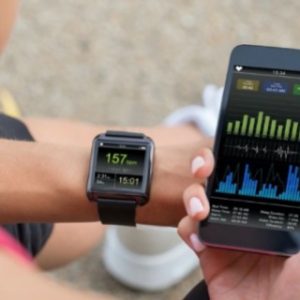
Health and fitness trackers like the Fitbit have risen to prominence in recent times, but they aren’t the only option. In fact, Canadians everywhere are also turning to a selection of smartphone apps to keep count of their daily steps and track the distance they walk or run. Not only does this enable you to reach any step count targets you have set yourself, but it also acts as a reminder to stay active and get exercising.
Motivational tool
Taking control of your fitness goals can be tough if you’re training alone. Sometimes it can be easy to lose motivation and lose sight of your goals in the process. Fitness apps help people stay on track by providing notifications and reminders, and act as a vital support mechanism for people who might need it.
Follow Canada News Media
Get the day's top Canadian stories and our two daily 60-second news videos wherever you scroll.
X Threads Facebook Instagram LinkedIn TikTok YouTube Pinterest Reddit Substack Flipboard Newsletter RSS