


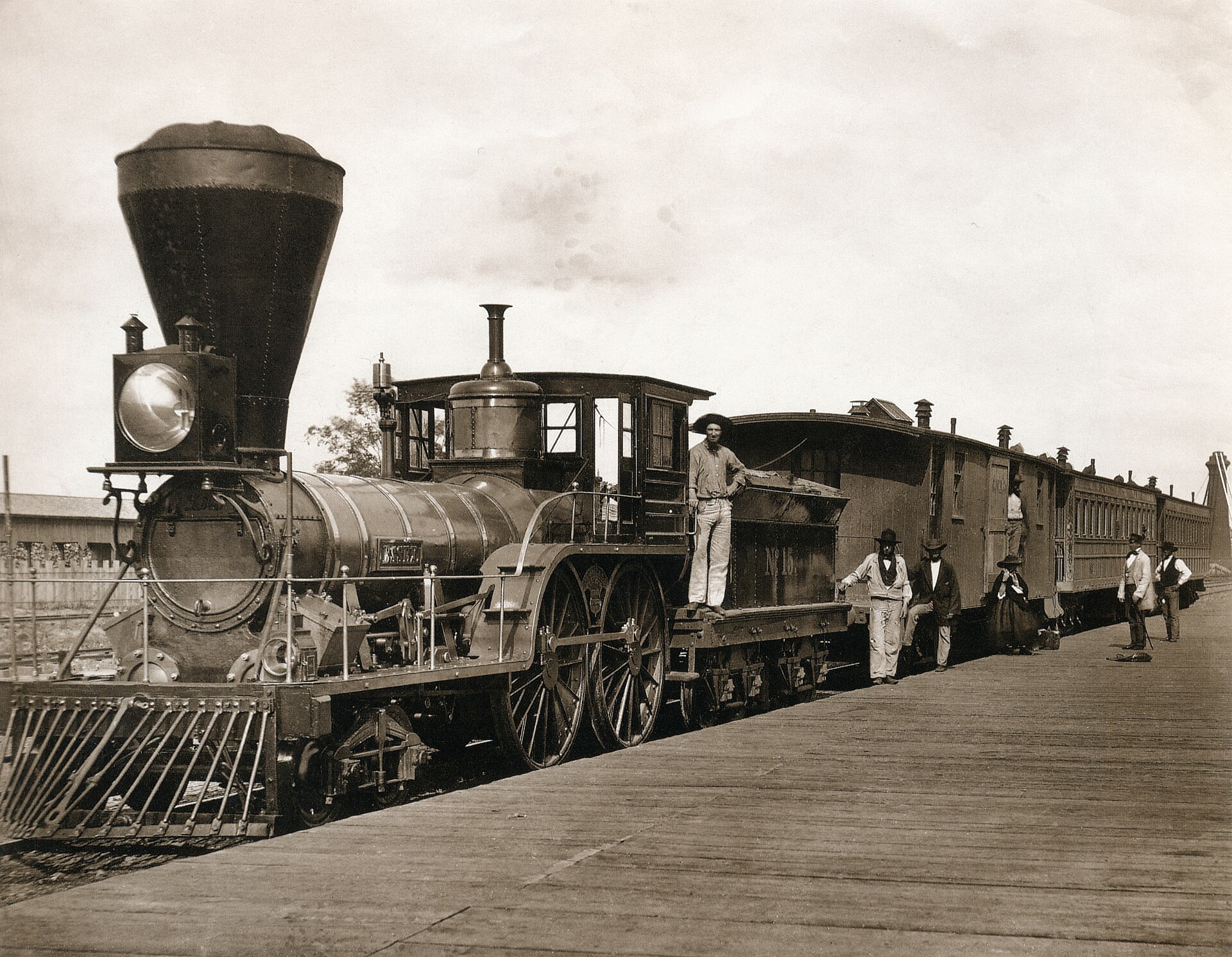
A Great Western Railway express collided with a gravel work train in thick fog at Baptiste Creek, in what was then Canada West, at about 5 a.m. on Oct. 27, 1854, killing at least 52 people in what is generally described as Canada’s first major railway disaster.
The wreck happened about 14 miles west of Chatham, in what is now Chatham-Kent, Ont., according to a local history of the disaster published by the municipality. The site appears in records under several names, including Baptiste Creek and Jeannette’s Creek.
The passenger train had left Niagara Falls the previous afternoon and ran badly behind schedule, according to Wikipedia’s account of the crash, which draws on The Globe’s coverage of the day and The Canadian Encyclopedia. It had been held up by fog, a derailed gravel train, a burst cylinder head and a slow freight ahead of it. By the time it passed Chatham, the Chatham-Kent history said, it was about seven hours late.
A gravel train, a string of cars loaded with wet gravel used to repair the roadbed, was working on the same line. Wikipedia’s account says the train’s crew was told by a night watchman that it was safe to enter the main line because the passenger train had already passed. The Chatham-Kent history gives a different version: it says the train was pushed onto the main track with no watchman posted to warn of approaching trains, and that its conductor, D.W. Twitchell, ordered it out in fog although he knew express trains were due. Engineer John Kettlewell objected and was overruled, the history said.
The passenger train, running at about 20 to 22 mph, came out of the fog and struck the gravel train. Witnesses described bodies as badly crushed, according to Wikipedia. The second-class cars carried many German emigrants bound for the United States, it said, and the dead included at least 11 women and 10 children. The Chatham-Kent history said most passengers were Americans heading to Michigan, along with a Scottish family from Aberdeenshire. The father died after an amputation and three of his sons were killed, it said, while the mother and a six-year-old son lost limbs.
Sources differ on the toll. Wikipedia’s account puts the dead at 52 and the injured at 48, though it notes some accounts say 60 were hurt. The Chatham-Kent history counts 48 killed at the scene and nine more who died soon afterward, for 57 dead, with 46 others injured or maimed. Canada News Media has used the figure of at least 52 dead for that reason.
The injured were taken to Chatham, where, the municipal history said, they went without proper splints or bandaging and surgery was delayed about 36 hours. Tight bandages led to gangrene and many amputations, it said, and local doctors quarrelled publicly with the railway’s surgeon.
The legal aftermath was uneven. A grand jury found Twitchell and Kettlewell criminally responsible and returned true bills of manslaughter against both, according to Wikipedia. It found the gravel train entered the track against company rules and should not have moved in dense fog. The Chatham-Kent history said the grand jury censured the railway’s directors but did not charge them, that Twitchell fled, and that Kettlewell was later discharged by the Kent County assizes in May 1855.
A government commission reported in March 1855, the history said. It blamed the railway’s senior officials for weak supervision, the lack of a watchman and the decision to place track work under a private contractor, and it praised Kettlewell. Damage suits were moved to Lambton County, but no trials appear in the law reports, so the cases were probably settled out of court, the history said.
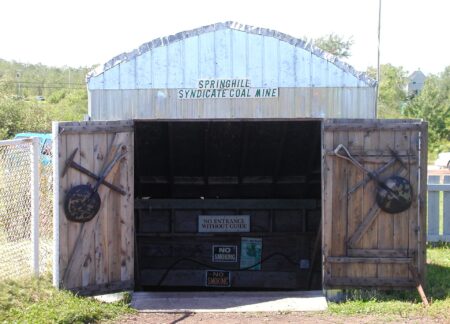
Canada News Media has covered other disasters in this series, including the Springhill mine bump in 1958 and Hurricane Hazel in 1954.
If you find reporting like this useful, consider supporting Canada News Media, an independent Canadian newsroom with no corporate parent.
Sources: Municipality of Chatham-Kent, Chatham, Canada West, and the Great Western Railroad Disaster; Wikipedia, Jeannette’s Creek train wreck, citing The Canadian Encyclopedia and The Globe, Oct. 31, 1854.
Follow Canada News Media
Get the day's top Canadian stories and our two daily 60-second news videos wherever you scroll.
X Threads Facebook Instagram LinkedIn TikTok YouTube Pinterest Reddit Substack Flipboard Newsletter RSS