

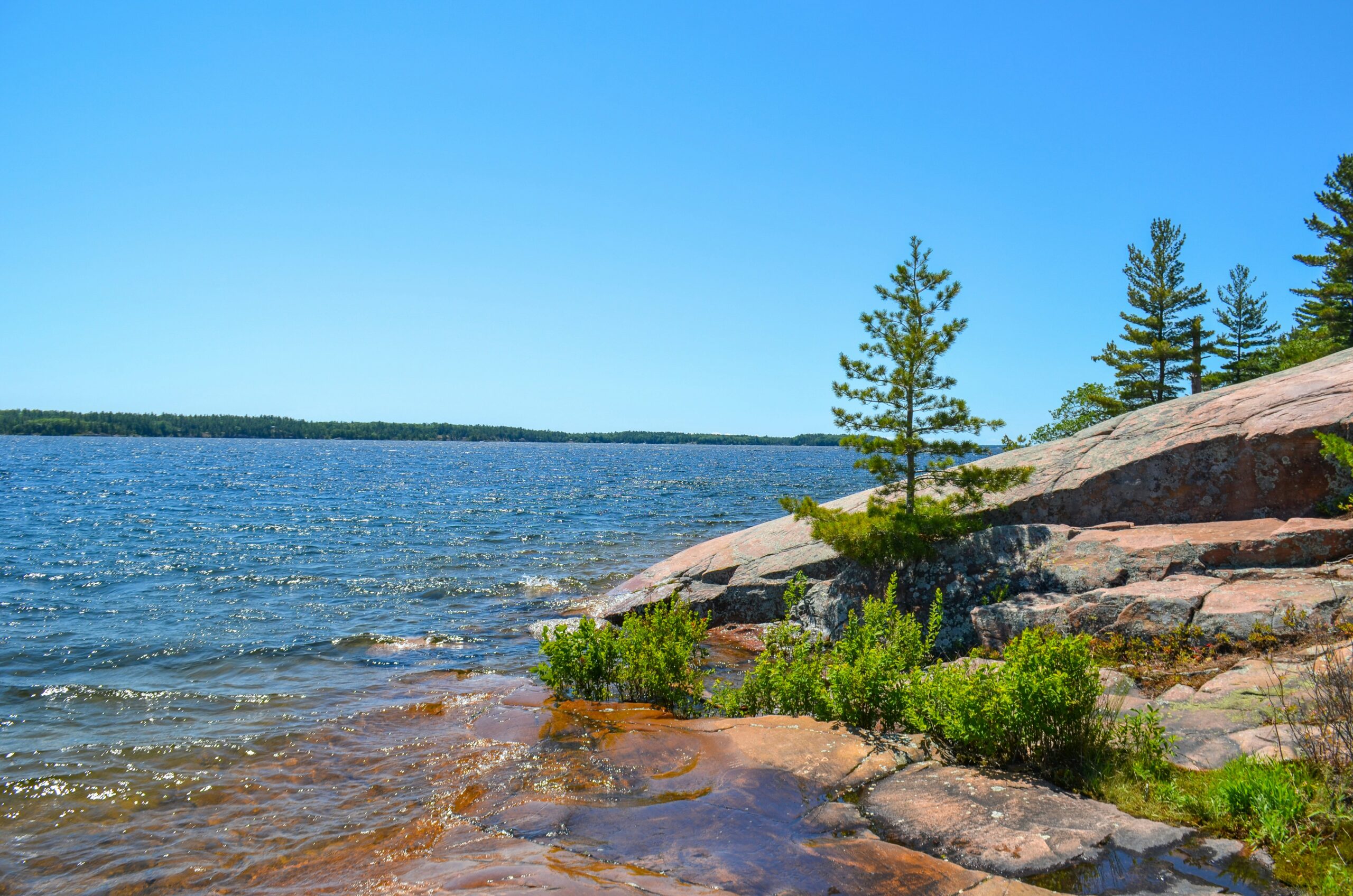
On Sept. 4, 1995, about 30 members of the Stoney Point First Nation walked into Ipperwash Provincial Park on the shore of Lake Huron and refused to leave, launching an occupation that ended two days later with the fatal shooting of protester Anthony (Dudley) George and became one of the defining flashpoints in Canada’s modern history of Indigenous land rights.
The park lies next to land that, until 1942, belonged to the Stoney Point reserve, now part of the Chippewas of Kettle and Stony Point First Nation. That year, the federal government invoked the War Measures Act to seize roughly 900 hectares of the reserve for a military training facility, Camp Ipperwash, paying the band about $50,000 in compensation and relocating its members to the neighbouring Kettle Point reserve, according to the Canadian Encyclopedia. Ottawa promised to return the land once the Second World War ended. It did not, and by the early 1990s a group of Stoney Point members had already reoccupied the former army camp itself, arguing the federal government had never honoured that commitment.
The Sept. 4 occupation extended the dispute to the adjacent provincial park, which protesters said contained an unmarked Indigenous burial ground that had gone unrecognized and unprotected for decades. Over the next two days, the Ontario Provincial Police moved additional officers, including a specialized Emergency Response Team, into the area, acting under direction from the government of then-premier Mike Harris to end the occupation. On the night of Sept. 6, a confrontation broke out between protesters and police just outside the park. During the clash, OPP Const. Kenneth Deane shot George, who was unarmed; George died in hospital in the early hours of Sept. 7, according to the Canadian Encyclopedia and CBC News.
Accounts of George’s age at the time vary: some early news reports put him at 28, while the Canadian Encyclopedia and other biographical sources list his birth date as March 17, 1957, which would have made him 38. He is widely described in historical accounts as the first Indigenous person killed in a land-rights dispute in Canada in more than a century.
Deane was convicted of criminal negligence causing death on April 28, 1997, and received a conditional sentence of two years less a day plus 180 hours of community service; he never served time in custody and died in a car crash in 2006, CBC News has reported.
The shooting eventually led to a formal public inquiry. Then-Ontario premier Dalton McGuinty called the Ipperwash Inquiry in 2003, and commissioner Sidney Linden released his report on May 31, 2007, concluding that the OPP, the Harris government and the federal government all bore some responsibility for the circumstances leading to George’s death. The report issued 100 recommendations, including that the disputed park land be returned to the Kettle and Stony Point First Nation without further delay. Ontario agreed that December to transfer the 56-acre park to the First Nation.
The wider land dispute took even longer to resolve. Camp Ipperwash, the military base expropriated in 1942, was formally returned to the Chippewas of Kettle and Stony Point First Nation only after Canada and the First Nation signed a final settlement agreement in 2016 worth $95 million, CBC News reported at the time.
More than three decades on, the Ipperwash Crisis remains a touchstone in Canadian debates over Indigenous land claims, treaty obligations and the policing of protests, and it is regularly cited by later inquiries and commissions examining how governments and police forces respond when Indigenous communities occupy disputed land elsewhere in the country.
Follow Canada News Media
Get the day's top Canadian stories and our two daily 60-second news videos wherever you scroll.
X Threads Facebook Instagram LinkedIn TikTok YouTube Pinterest Reddit Substack Flipboard Newsletter RSS