



New condominium apartment sales in the Greater Toronto Hamilton Area rose 52 per cent from a year earlier in the second quarter, to 702 units, the first year-over-year increase since the third quarter of 2023, according to Urbanation Inc.’s Q2-2026 Condominium Market Survey, released July 20.
Almost none of that gain will produce a new building.
Sales at already-completed projects more than tripled from a year earlier to 535 units, a figure that included large bulk purchases by investment groups, Urbanation reported. Pre-construction sales, the kind that let a developer finance and start a tower, fell 80 per cent to 50 units. Completed projects accounted for roughly three-quarters of the quarter’s sales. Pre-construction accounted for about seven per cent.
Urbanation attributes the split in part to the design of Ontario’s enhanced HST rebate, whose final rules were not confirmed until June. The rebate requires construction to begin before March 31, 2027, and to be substantially completed by Dec. 31, 2029, which the firm says creates “a real risk that pre-construction buyers won’t qualify.”
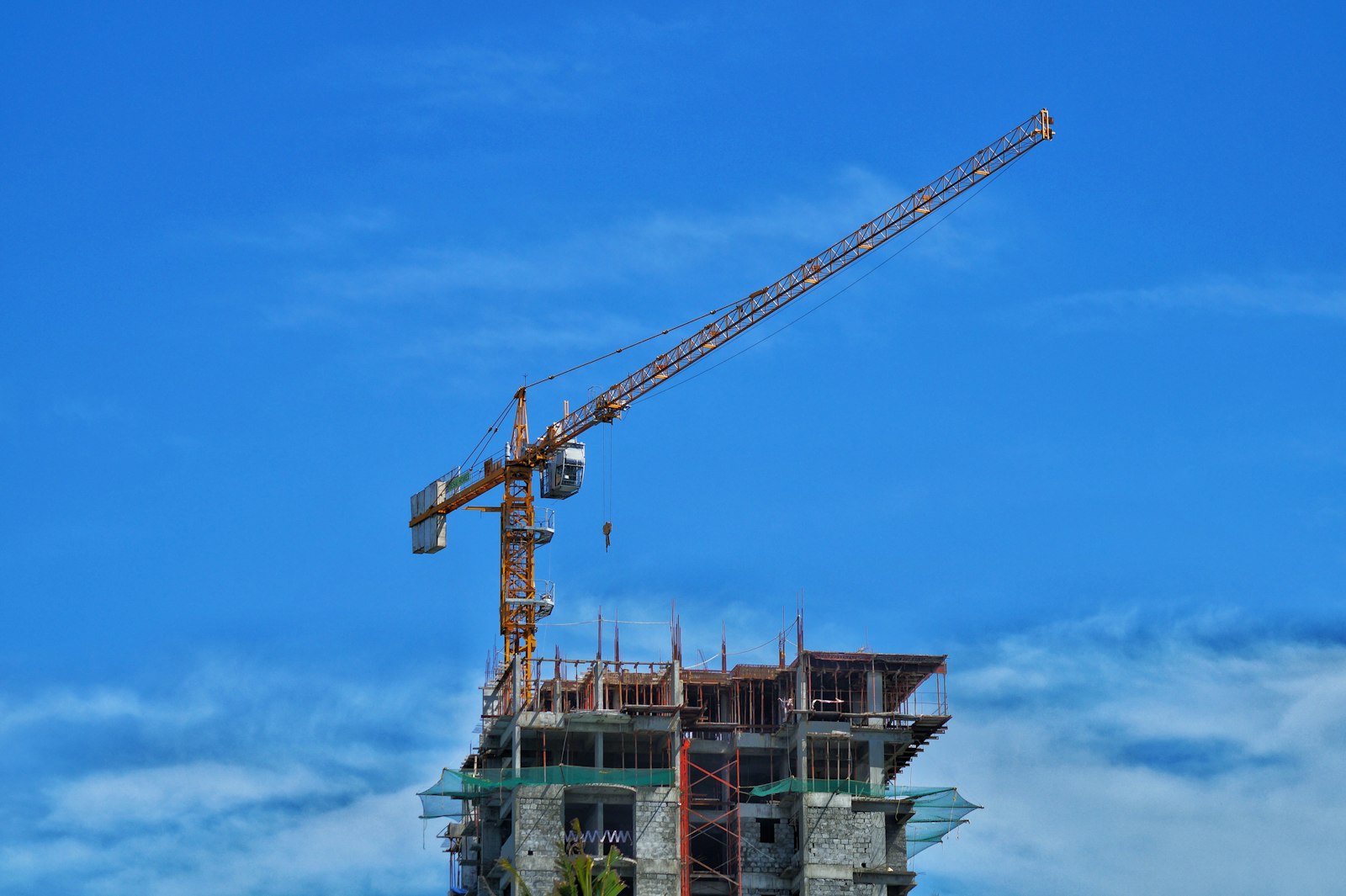
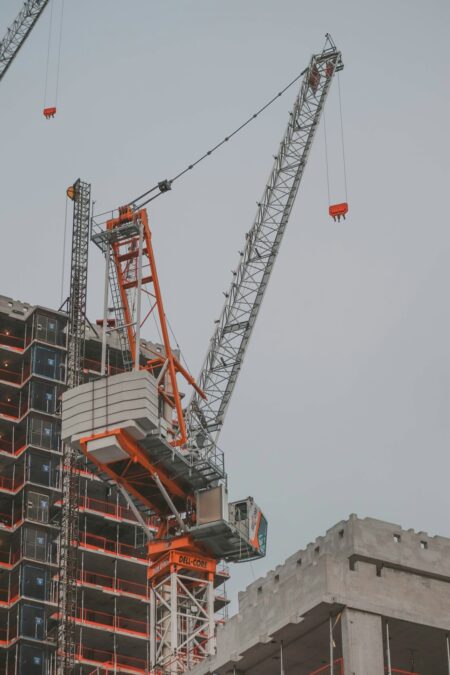
The construction figures track that. A total of 448 units started construction in the second quarter, down from 1,254 in the first, a decline of 64 per cent. There were no new project launches for a second consecutive quarter. Another 1,022 units were cancelled, bringing cancellations since the start of 2024 to 11,653. Combined pre-construction and under-construction inventory fell to 48,710 units, down 37 per cent in a year and 62 per cent from the roughly 127,000 units in the pipeline in 2022.
Urbanation also reported a record-wide 43 per cent premium between asking prices for completed, unsold new condos, at an average $1,186 per square foot, and resale prices of $830 per square foot in projects registered within the past three years.
That record is usually read as developers refusing to cut prices. The quarter-over-quarter arithmetic, calculated by this outlet from Urbanation’s own published figures for the first and second quarters, points the other way. In the first quarter, developer asking prices averaged $1,189 per square foot against resale at $859, a 38 per cent gap. Three months later, developer asking prices had fallen $3 per square foot. Resale prices had fallen $29, nearly ten times as much. The record gap widened because the resale market repriced, not because developers raised prices.
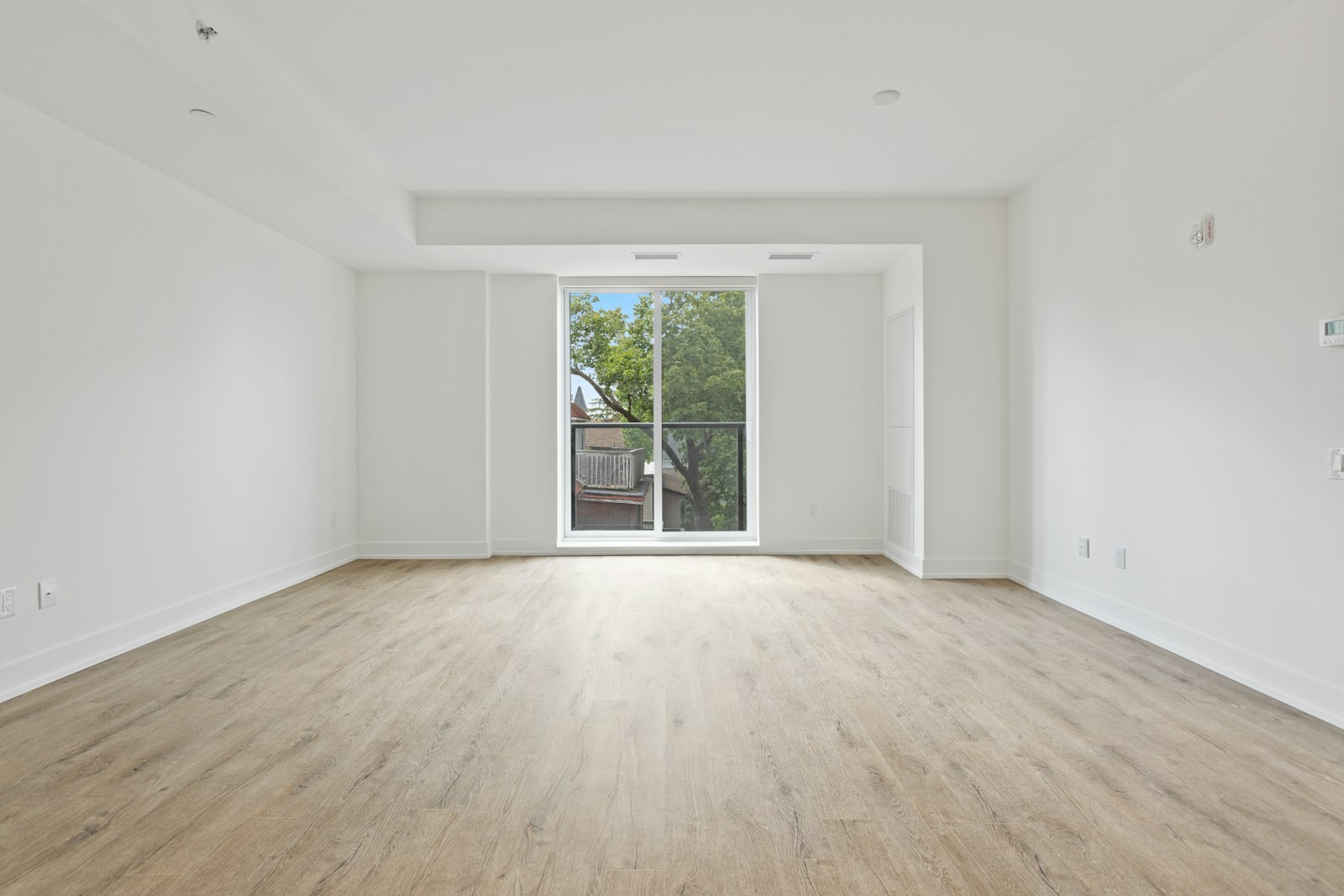
Urbanation noted that units actually sold in the quarter generally went well below asking, with some bulk deals transacting below resale prices, as developers negotiated harder following the HST announcement. In April the firm estimated the full one-year HST rebate would lower prices on unsold new condos by roughly $100,000 on average, which would narrow the new-to-resale gap to about 20 per cent.
The survey also undercuts a common description of the downturn. Units under 600 square feet made up 20.4 per cent of active resale listings in the second quarter, down from a high of 24.3 per cent in 2024 and only modestly above the 19.6 per cent share recorded in 2020. Standing developer-held inventory breaks down similarly, with 22 per cent of units under 600 square feet, 54 per cent above 700 square feet, 57 per cent in two-bedroom or larger layouts and an average unit size of 836 square feet. Urbanation described the pullback in resale supply as broad-based by unit size, contrary to what it called the often-cited narrative of a market flooded with small investor units.
There were signs of stabilization. Active resale listings fell 21 per cent from a year earlier to a three-year low of 7,105 units, the largest annual decline in four and a half years, though still 48 per cent above the 10-year average. Combined months of supply across completed new and resale condos eased to 7.3 from 8.5 a year earlier, the first meaningful improvement in that measure since the downturn began. Completed, developer-held inventory nonetheless rose to a record 5,001 units from 4,826 in the first quarter.
“After more than four years of decline, it’s an important signal to see new condo sales respond to the elimination of HST and investor activity,” Shaun Hildebrand, president of Urbanation, said in the release. “That said, this improvement is coming off an extremely low base, and pre-construction demand remains largely dormant. With virtually no new units being added to the pipeline, condo supply is set to see its largest ever decline in the coming years.”
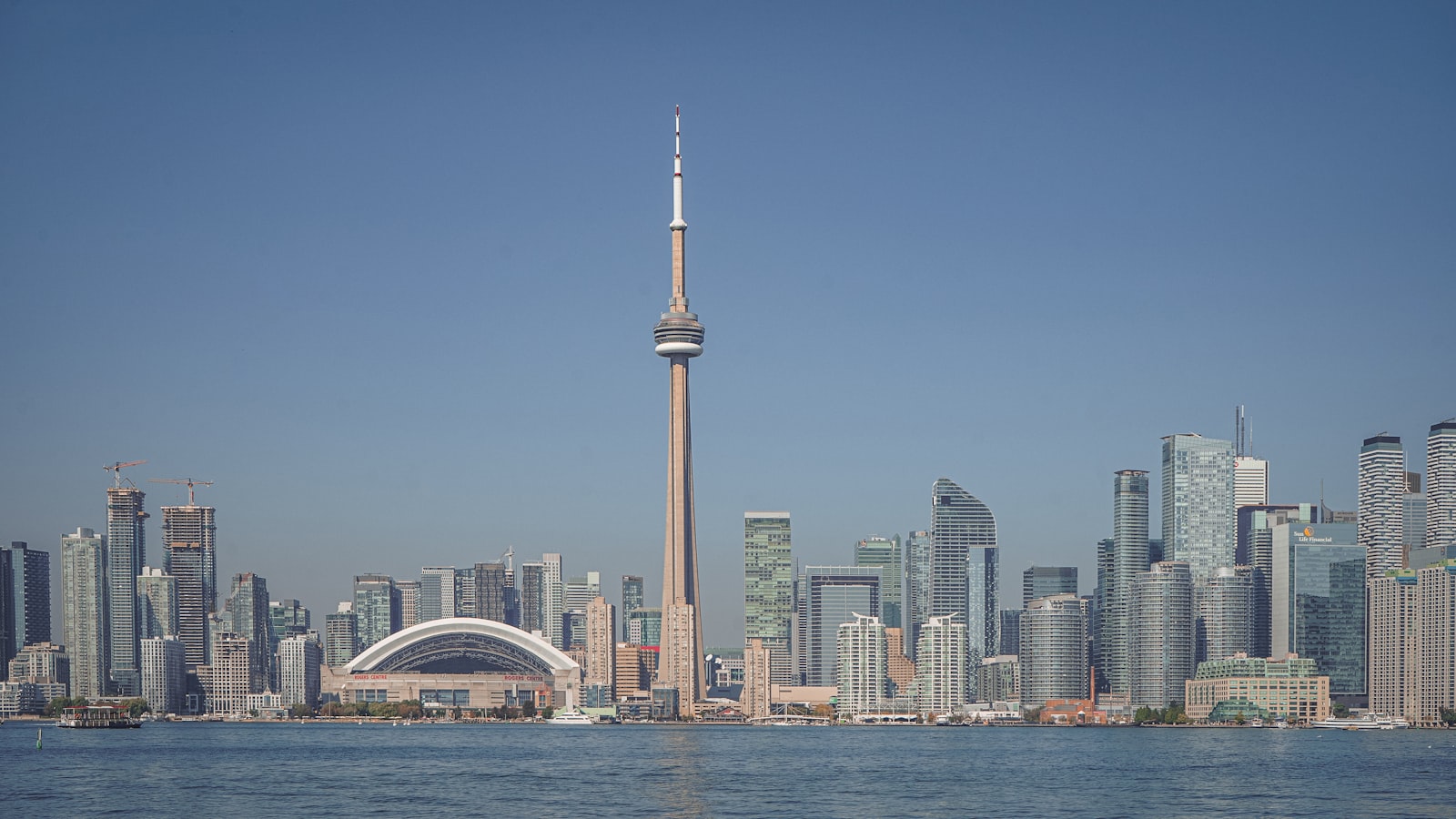
Nationally, the picture is steadier. The Canadian Real Estate Association reported Aug. 18 that its MLS Home Price Index rose 0.1 per cent from June to July, the first increase in the national measure since November 2024, though it remained down 3.3 per cent year over year. The national average sale price was $674,819 in July, up 0.2 per cent from a year earlier, and there were 4.7 months of inventory, the lowest level so far in 2026. The Bank of Canada held its policy interest rate at 2.25 per cent on Sept. 2.
CREA publishes its August data on Sept. 15. Urbanation’s third-quarter survey is due in October.
Sources
- Urbanation Inc., GTHA New Condo Sales Increase Over 50% in Q2, July 20, 2026.
- Urbanation Inc., Standing Condo Inventory Hits Record High in Q1, April 16, 2026.
- Canadian Real Estate Association, National Statistics, August 18, 2026 news release.
Follow Canada News Media
Get the day's top Canadian stories and our two daily 60-second news videos wherever you scroll.
X Threads Facebook Instagram LinkedIn TikTok YouTube Pinterest Reddit Substack Flipboard Newsletter RSS