
The United Nations weather agency says there is a nearly 100 per cent chance the current El Nino will last through February and that it could become the strongest such event since global monitoring began, a forecast that Environment and Climate Change Canada’s senior climatologist says points to a milder than usual Canadian winter.
The World Meteorological Organization delivered the assessment at a news conference in Geneva on Thursday. Secretary-General Celeste Saulo told reporters that if the current trajectory holds, the event “may be stronger than anything since our monitoring began,” and would be “literally off the charts we have used for the past four decades.” The agency said the near-certain odds represent the strongest level of confidence it has ever expressed in an El Nino or La Nina update.
The index the WMO uses to track sea surface temperature anomalies in the central and eastern equatorial Pacific averaged 1.5 C above normal from May through July, according to the agency. Weekly readings between late July and mid-August ran between 2.2 C and 2.6 C above average. In some areas, subsurface ocean temperatures were more than 8 C above average during July and early August. The WMO classifies El Nino events as weak, moderate, strong or very strong, and says this one is on course for the highest of the four.
David Phillips, the longtime climatologist with Environment and Climate Change Canada, told CTV News the event has drawn unusual public attention. “Supercharged. Turbocharged. My gosh, it’s captured attention,” he said. Some forecasters have taken to calling it the Godzilla of El Ninos.
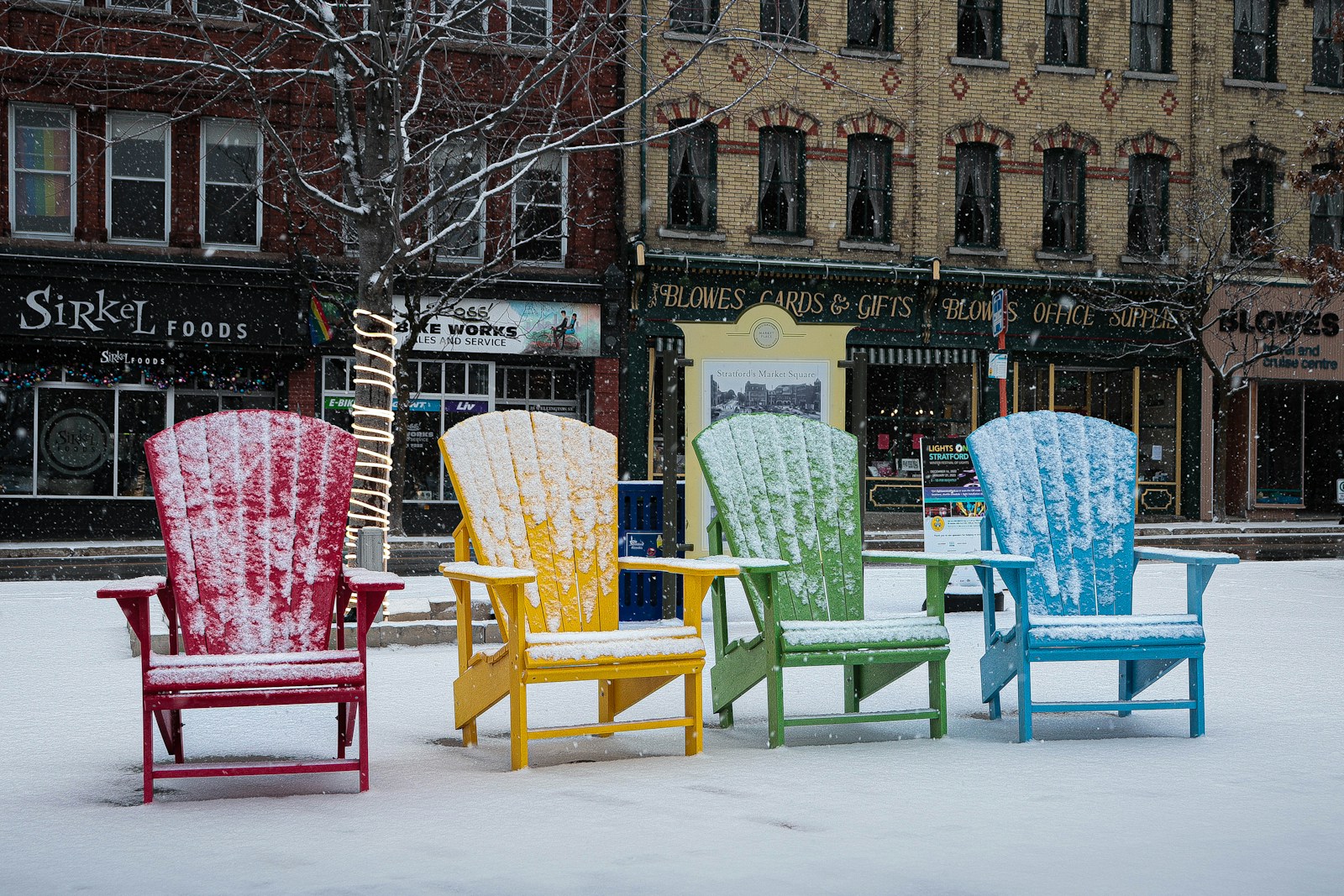
For Canadians, Phillips said, the most noticeable effect will likely be a winter dominated by Pacific rather than Arctic air. “This one is going to be generally a kind of a soft and open and tame kind of winter,” he told CTV News, adding that it could mean savings on home heating bills and a thin season for skiers. U.S. forecasters put the odds at roughly 70 per cent that the event will exceed the strength of any El Nino dating back to 1950, CTV reported.
The tradeoff Phillips describes arrives in the spring. “We’re going to see less snow, more rain in the West, and that will lead to problems in the springtime: earlier forest fires, more drought,” he said. Prairie farmers who saw heavy precipitation this year could be facing dry conditions by spring, he said, because less snow means less irrigation water and less runoff. “Generally there are going to be winners and losers, as there are with every winter,” Phillips said.
One likely winner, he said, is Atlantic Canada, because El Nino tends to suppress Atlantic hurricane activity. Phillips said he expects fewer such storms this fall. “It’s not going to be zero, but they’re going to be very few,” he said. That outlook follows a week in which major flooding across Cape Breton prompted an emergency response and was connected to one death, according to CTV News.
El Nino is a naturally occurring pattern that recurs every two to seven years and is not itself caused by climate change, though scientists say it amplifies extremes on an already warming planet. Phillips said the current event is building against a backdrop of record ocean warmth. “This is a supercharged El Nino, but the backdrop for it is occurring when the oceans have never been warmer,” he said.
The 2023-24 El Nino contributed to 2024 becoming the warmest year on record, and WMO officials said Thursday that 2027 has the potential to break it. Phillips said he expects it will. “There’s no doubt in everybody’s mind that in 2027, after El Nino dies away, the residual heat will still be warming the air and the oceans,” he said.
Saulo said the event “has the potential to deliver a massive blow to communities and economies across the world,” and put disaster management authorities and climate-sensitive sectors including agriculture, health care, energy and water on notice that there was “no time to lose” in preparing.
Sources: World Meteorological Organization news conference, Geneva, Sept. 3, 2026, as reported by Al Jazeera and AFP; CTV News and CP24, “Supercharged El Nino heading for record strength; Canada’s winter may ‘take a holiday,’ climatologist says,” by John Vennavally-Rao, Sept. 7, 2026.
Follow Canada News Media
Get the day's top Canadian stories and our two daily 60-second news videos wherever you scroll.
X Threads Facebook Instagram LinkedIn TikTok YouTube Pinterest Reddit Substack Flipboard Newsletter RSS