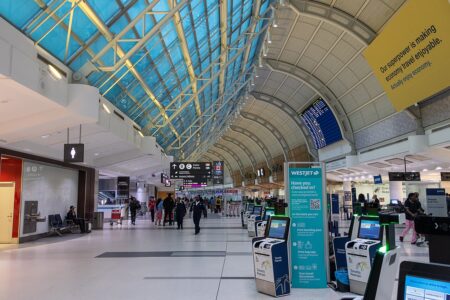


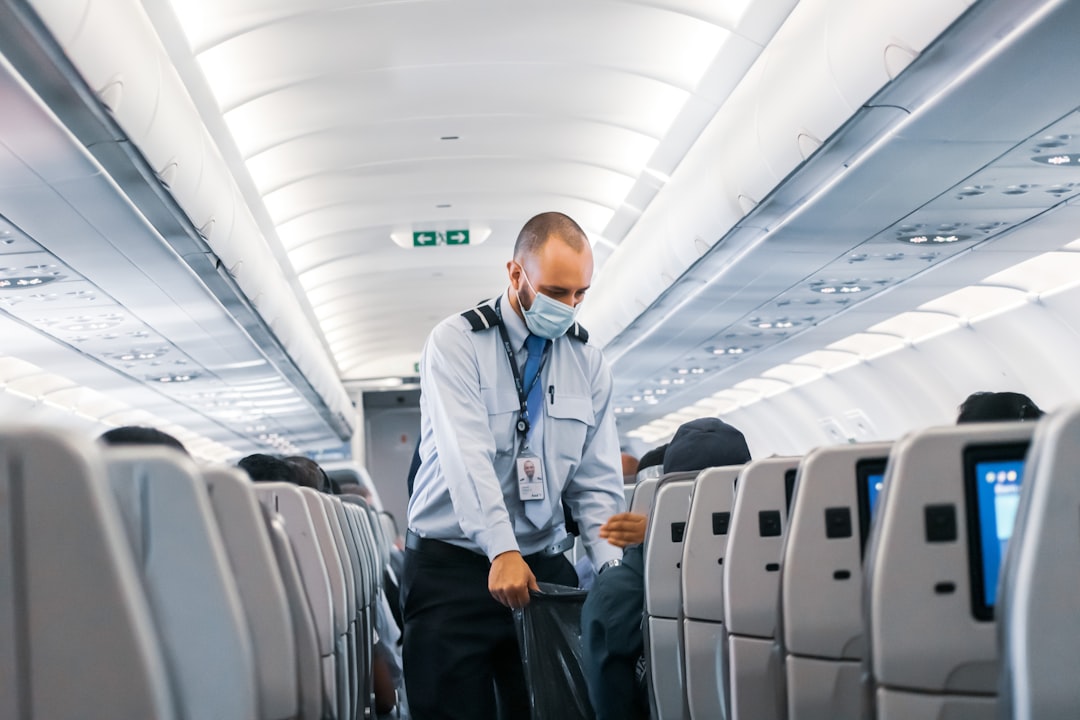
WestJet flight attendants walked off the job this weekend after contract talks broke down, grounding flights across the airline’s network just months after Air Canada faced its own cabin crew strike in the summer of 2025. The back-to-back disputes point to an industry-wide pattern: Canadian flight attendants at multiple carriers pushing back hard on unpaid ground-duty time and wages that unions say haven’t kept pace with the cost of living.
The core grievance is nearly identical to what Air Canada’s flight attendants raised last year: time spent boarding passengers, doing safety checks, and handling ground delays that isn’t compensated as paid work under current contracts. Air Canada’s dispute ended after the federal government invoked Section 107 of the Canada Labour Code to order employees back to work and send the matter to binding arbitration — a move that drew criticism from labour groups who argued it undercut the union’s bargaining leverage.
Whether Ottawa reaches for the same tool this time is the open question. Labour Minister statements so far have stopped short of signaling an imminent back-to-work order, but the precedent set with Air Canada gives the government a tested playbook if the WestJet disruption drags on.
For passengers, the practical guidance echoes last year’s disruption: WestJet is advising affected travelers to check flight status directly before heading to the airport, with rebooking and refund policies varying based on how far in advance a flight was cancelled.
Via CTV News.
Follow Canada News Media
Get the day's top Canadian stories and our two daily 60-second news videos wherever you scroll.