

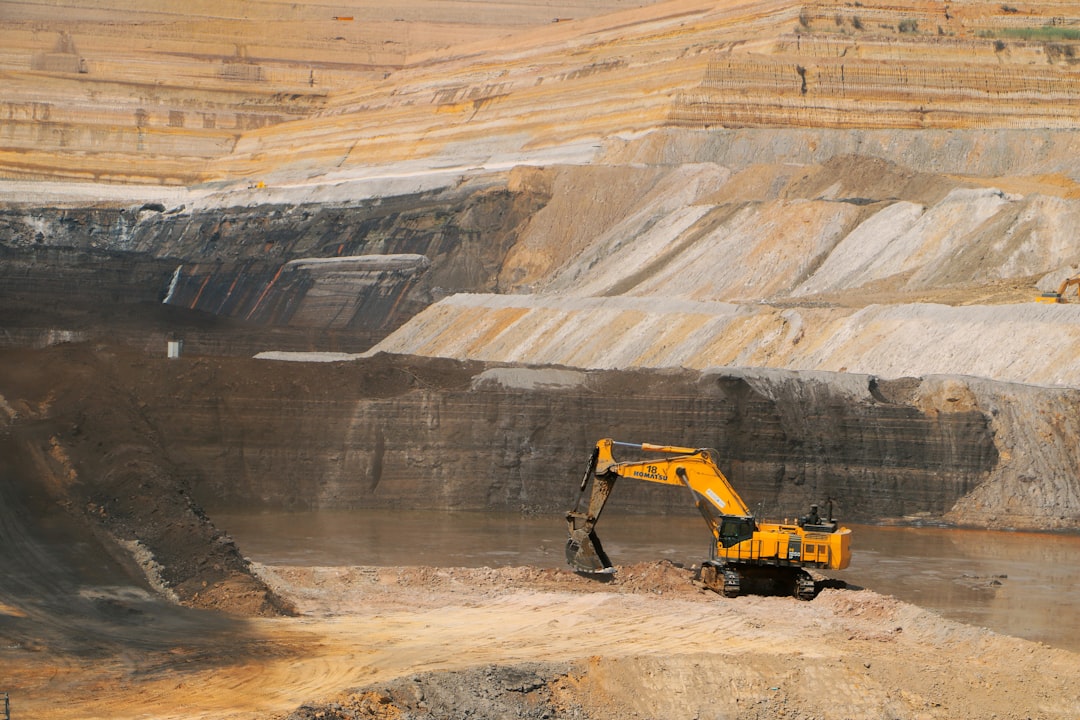
Ottawa’s approval Friday of the Crawford Nickel Project near Timmins, Ontario drew celebratory headlines: a mine expected to add up to $70 billion to Canada’s GDP over a 41-year life, create roughly 4,000 jobs, and anchor domestic supply chains for EV batteries, defence and aerospace manufacturing.
What that framing leaves out: Canada Nickel still needs to raise roughly US$3.55 billion to actually build the mine, and its own recent financial filings show how far it is from that. As of April 30, the company reported just $14.2 million in cash against $56.8 million in current liabilities — a working-capital deficit of about $37.2 million — according to disclosures reviewed by independent Canadian markets outlet The Deep Dive. Canada Nickel also just paid an $856,288 fee to push back repayment on a US$32 million bridge loan from August 9 to November 9.
None of that undercuts the approval itself. Canada Nickel says Crawford is the first project to receive a decision statement under the Impact Assessment Act since the law was rewritten following a 2023 Supreme Court ruling. The project’s Indigenous partnership is also notable: Taykwa Tagamou Nation holds a $20-million convertible note that could convert into a 7.9 to 8.4 percent ownership stake and a board seat.
The question the celebratory coverage skips: can Crawford actually get financed before its targeted 2027 construction decision, or does it join the list of federally approved Canadian mines still waiting on money, not permits, to break ground?
Via CTV News/CP24.
Follow Canada News Media
Get the day's top Canadian stories and our two daily 60-second news videos wherever you scroll.