

When Prime Minister Mark Carney said this week that Canada has “a full range” of responses ready if U.S. President Donald Trump’s threatened 50% tariffs take hold before the August 19 deadline, the political back-and-forth got most of the attention. What’s been largely missing from that coverage: Canada’s economy was already in a technical recession before this latest tariff threat even arrived.
Statistics Canada confirmed in May that real GDP contracted on an annualized basis in both the fourth quarter of 2025 and the first quarter of 2026 — the standard definition of a technical recession. Economists at Capital Economics pointed directly to “US tariff uncertainty” as one of the drags on growth, alongside falling business and government investment.
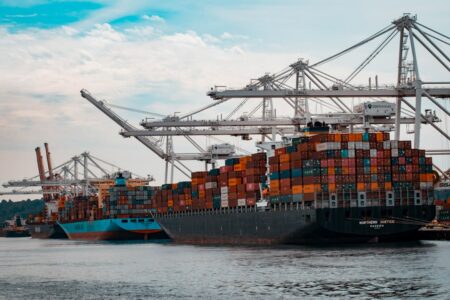
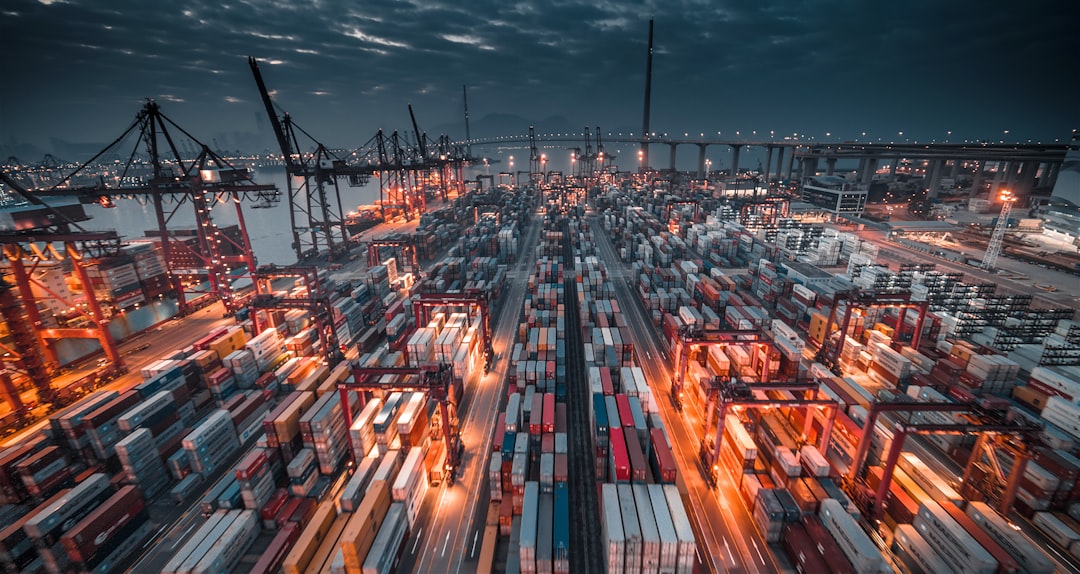
There’s also a scale question the ‘50%’ headline doesn’t answer on its own. Desjardins estimates the tariffs — covering liquor, dairy, cement, honey, hockey sticks and some wood products — would hit roughly C$28 billion in annual exports, about 5% of what Canada ships to the U.S. Notably excluded: energy, potash, fish and critical minerals, which make up a much larger share of Canadian exports south of the border.
The open question neither side has answered yet is what happens on August 19 if no deal is reached. Carney has said retaliating immediately would be “counterproductive” while talks continue, but has kept dollar-for-dollar retaliation and other options on the table — echoing the tit-for-tat playbook Canada used during the 2018-19 softwood lumber and steel disputes.
Via CBC News.
Follow Canada News Media
Get the day's top Canadian stories and our two daily 60-second news videos wherever you scroll.