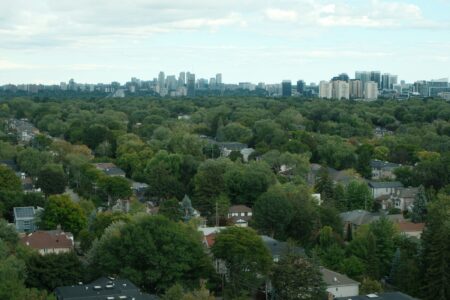




Montreal’s new three-year property assessment roll, which sets values for the 2026, 2027 and 2028 tax years, raised the city’s total assessed value by 12.2 per cent on average, the City of Montreal confirmed, a sharp cooldown from the 32.4 per cent average increase in the previous roll. But that citywide average hides a wide gap between property types and boroughs, with industrial land climbing far faster than housing in Montreal’s wealthiest, lowest-density enclave.
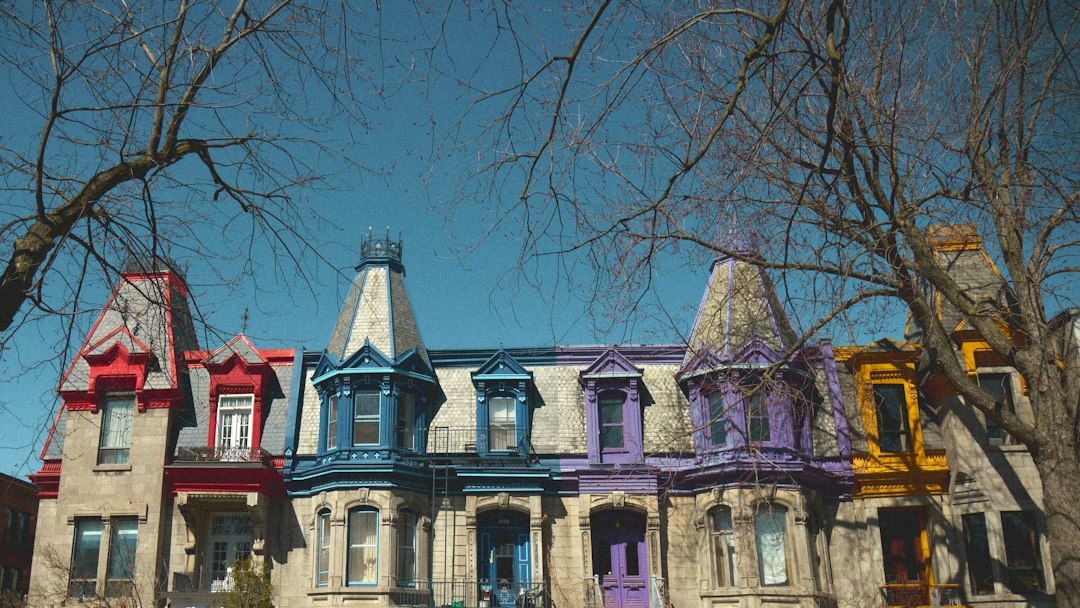
Quebec requires municipalities to reassess property values every three years, and the figures are separate from the resale prices reported by real estate boards. An assessment measures a municipality’s estimate of a property’s value for tax purposes, not what it would fetch on the open market, though the two tend to move in the same direction over time. The new roll took effect Jan. 1, 2026, and reflects market conditions as of July 1, 2024, according to the City of Montreal and Leyton Canada, a tax consultancy that reviewed the rolls.
Industrial properties rose 39 per cent on average, the steepest increase of any category, Leyton’s analysis found. Non-residential property overall, which includes industrial, commercial and institutional buildings, rose 19.4 per cent. Office buildings moved the other way, falling 8.2 per cent, as downtown Montreal’s commercial towers continue to lose assessed value, CTV News and Leyton both reported. Montreal’s total assessment base, covering every property on the island, grew to roughly $610 billion in 2026 from about $385 billion in 2020, Leyton’s review of the city’s data found.
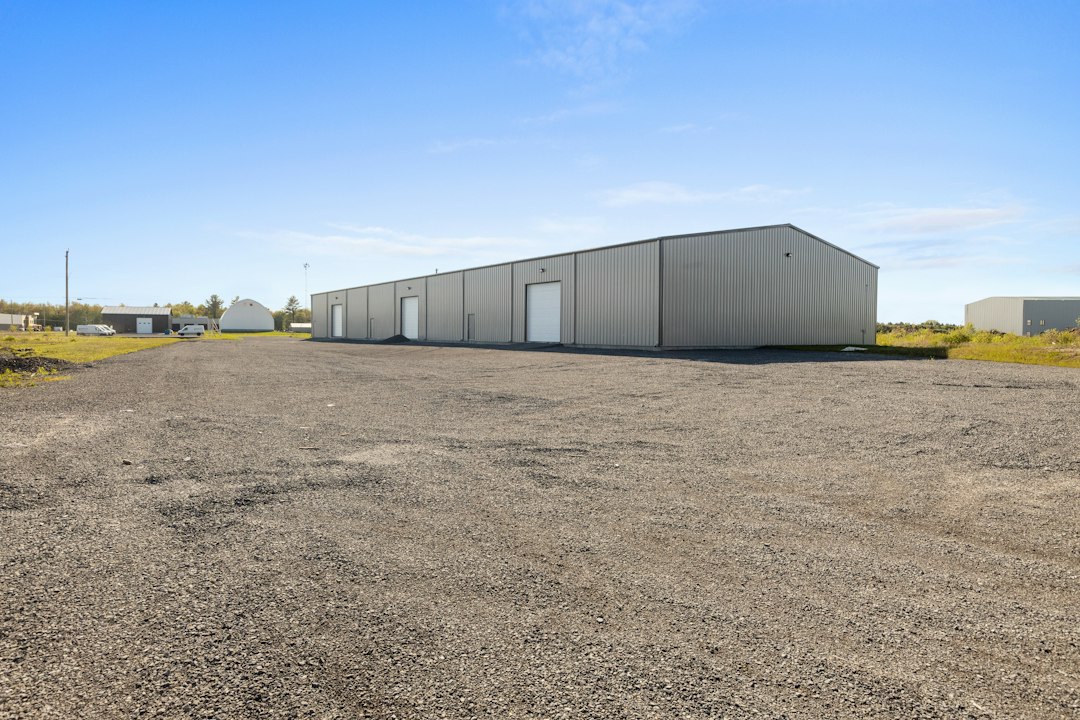
The borough-level spread illustrates just how unevenly that 12.2 per cent average was distributed. Montreal-Est, an industrial borough on the island’s eastern tip, saw its assessed values rise 33.3 per cent. Anjou, another borough with a substantial industrial base, rose 22.6 per cent. Ville-Marie, which includes downtown, and Westmount saw comparatively gentle adjustments, Leyton’s analysis found, consistent with the citywide drag from falling office values.

The clearest residential comparison point sits just outside Montreal’s own jurisdiction, in the Town of Mount Royal, an independent, affluent municipality surrounded by the city. Mount Royal’s own assessment notices, mailed Nov. 7, 2025, show single-family homes rose 2.4 per cent and condominiums rose 5.0 per cent, for a residential sector increase of 2.9 per cent overall, well under half the Montreal agglomeration’s 12.2 per cent average. The average single-family home in Mount Royal is now assessed at $2,000,500, up from $1,941,400 in the last roll. The average condo rose to $662,500 from $636,000. Mount Royal’s total real estate market, residential and non-residential combined, grew 5.6 per cent, according to the town’s own release.
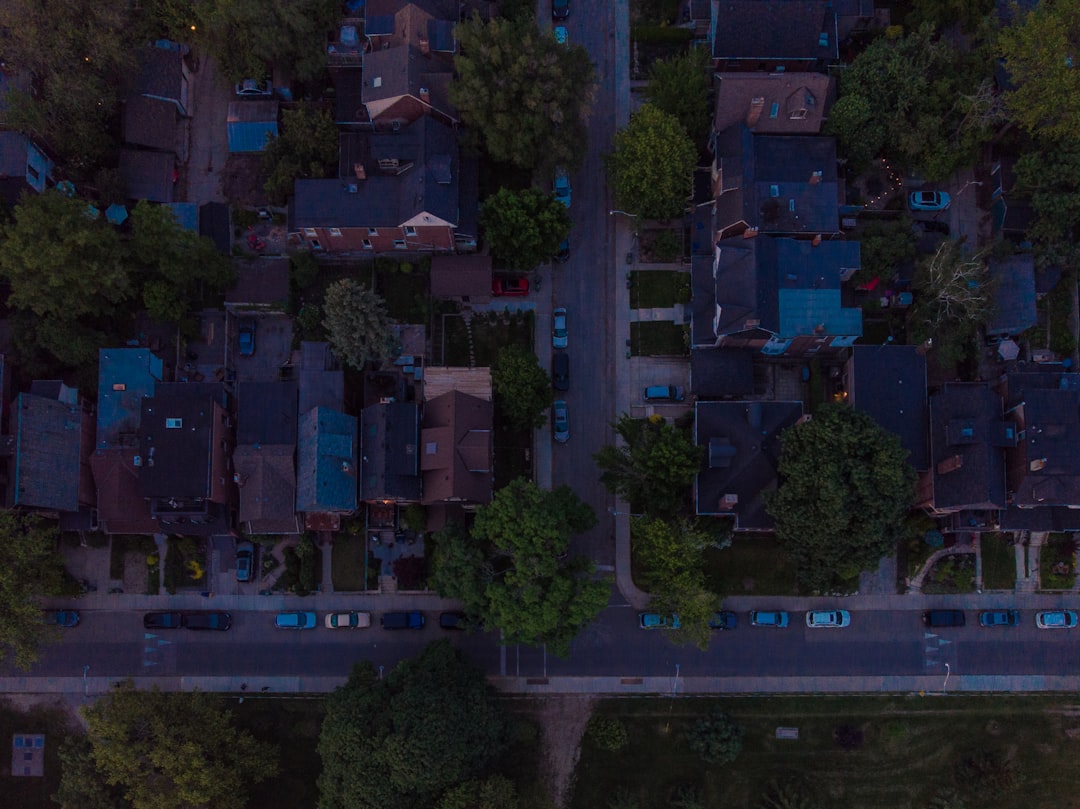
The contrast matters at tax time. Quebec municipalities set property tax rates after a reassessment specifically to offset the average citywide increase, so a property that gained less than its borough’s or municipality’s average typically sees its relative tax burden fall, while one that gained more sees it rise, regardless of how much the tax rate itself is adjusted downward. A homeowner in Mount Royal whose house gained 2.4 per cent, in a jurisdiction where the broader Montreal average moved 12.2 per cent, is positioned very differently at tax time than a commercial property owner in Montreal-Est who absorbed a 33.3 per cent jump.
Property owners had until April 30, 2026, to file for an administrative review of their new assessment, a deadline that has already passed, according to the City of Montreal and Mount Royal’s own notice. France Mousseau, the City of Montreal’s director of property assessment, presented the new roll’s findings at a public information session before the figures were finalized, the city’s property assessment rolls page shows.