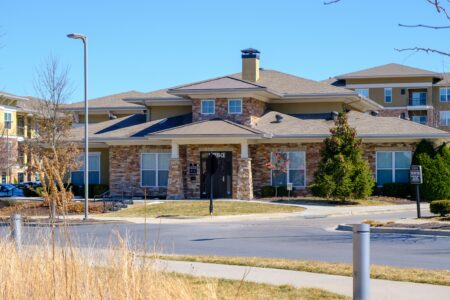

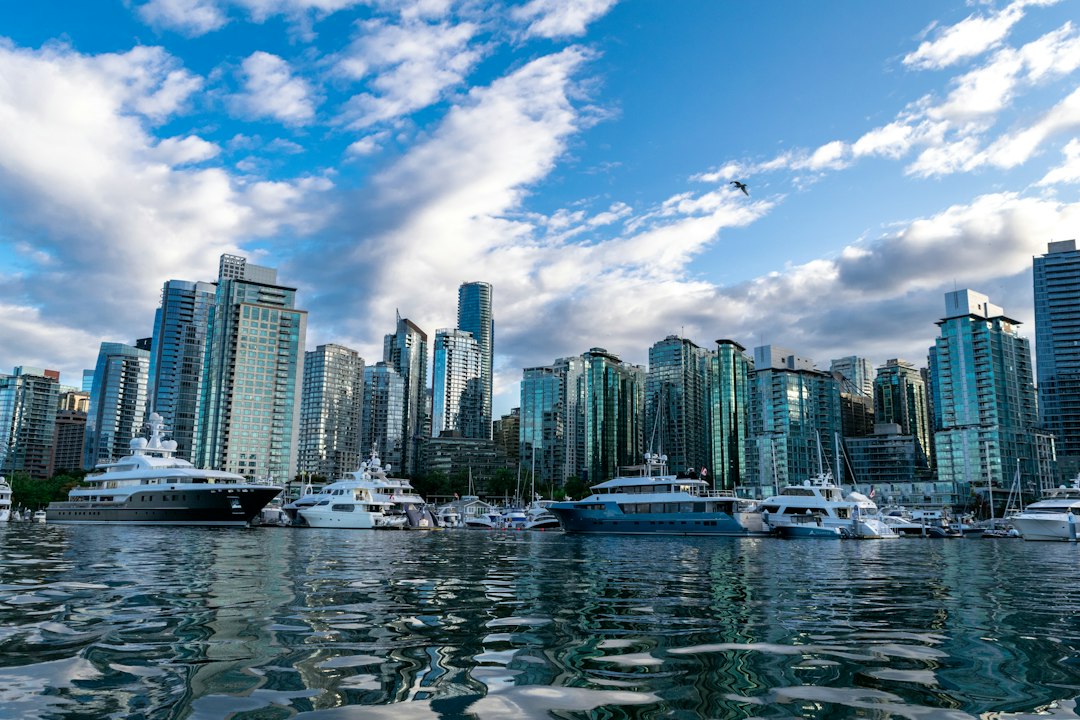
VANCOUVER: B.C. NDP Leader David Eby is promising a new annual tax on newly built condos that sit unsold for more than a year, a measure aimed at roughly 5,000 finished units in Metro Vancouver that Eby says are ready for occupants but have found no buyers.
Eby announced the proposal Sept. 25, three days into a provincial election campaign that ends with a vote on Oct. 24, according to Daily Hive and Global News. The tax would start at 2 per cent of assessed value for finished units empty for at least one year, then rise by one percentage point for each additional year, Maple Ridge News reported.
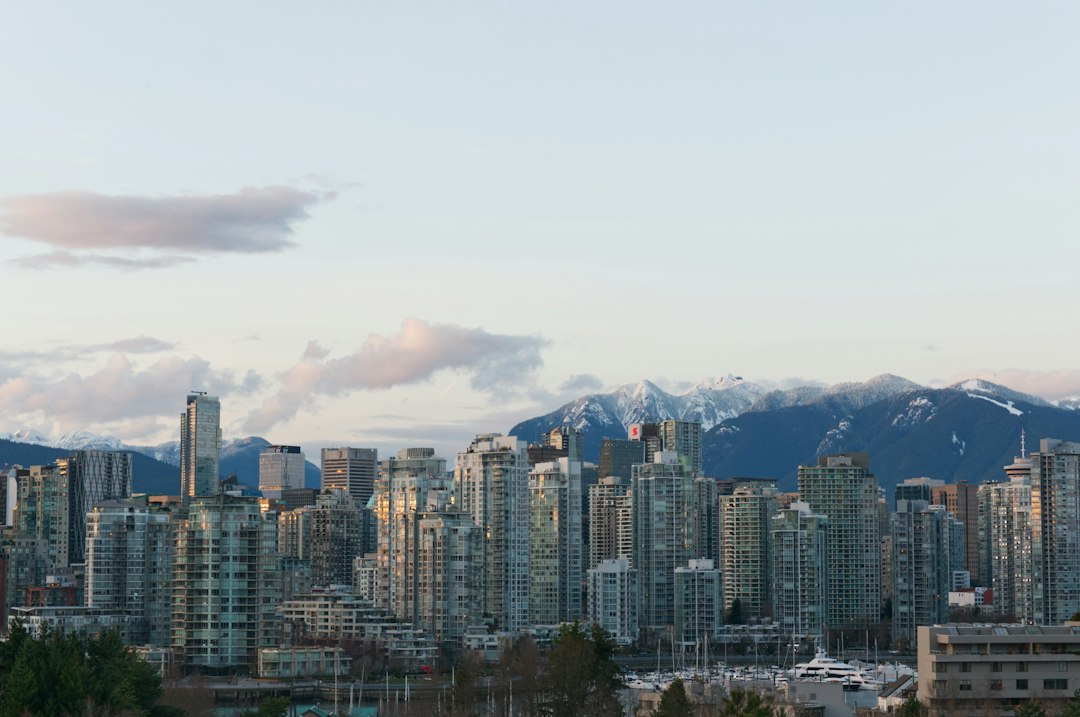
Eby also promised to raise the province’s speculation and vacancy tax. Daily Hive reported the rate for domestic owners would double from 1 per cent to 2 per cent, with foreign owners at 5 per cent. The 2026 provincial budget had earlier proposed lifting the foreign-owner rate from 3 per cent to 4 per cent for 2027, the outlet noted. Global News reported the new condo tax would apply in Metro Vancouver, the Capital Regional District and more than two dozen other municipalities.
“People shouldn’t pay sky-high prices to rent or buy a home while developers sit on thousands of finished condos waiting for prices to go up,” Eby said, as quoted by Daily Hive.
What the numbers show
The 5,000-unit figure traces to a Sept. 13 post from Real Property Data, cited by Eby, that counted finished Metro Vancouver condos with no buyers. Outlets put the combined value of those units between about $4.4 billion (Global News) and about $4.5 billion (Maple Ridge News; Daily Hive reported $4.45 billion). Daily Hive added that more than 1,300 of the units were completed over two years ago, and some as far back as 2019. Maple Ridge News reported that one Burnaby building is 76 per cent vacant, with more than 250 units unsold.
Dividing the reported value by the unit count gives an average of roughly $880,000 per unit. That is this newsroom’s arithmetic, not a figure from the NDP. On that average, a 2 per cent charge would be about $17,600 for a unit in its first taxable year, and about $26,400 at 3 per cent in the second. Real bills would depend on assessed values, and the NDP has not said how taxable condos would be valued.
Daily Hive reported the announcement gave no implementation date and did not outline exemptions or a maximum rate. Whether developers would sell at a discount, hold on and pay the tax, or rent the units out is the open question, and none of the coverage reviewed included a formal response from the development industry.
Eby also said the tax “could be a lot higher because we will not stand by,” Maple Ridge News reported. Conservative Lorne Doerkson responded, “He’s had nine years and a majority to bring down the cost of a home, and he has failed,” and blamed NDP taxes and red tape for high prices, according to the same report.
A supply squeeze behind the glut
The unsold inventory sits alongside a collapse in new supply. The Vancouver Real Estate Rundown newsletter, citing MLA Canada data, reported only two project launches in the Lower Mainland in August, totalling 76 units. In the Toronto region, Urbanation data reported by Mortgage Professional America put developer-held completed condos at a record 5,001 units in the second quarter, up 68 per cent from a year earlier, while the combined pre-construction and under-construction pipeline fell 37 per cent to 48,710 units.
“Condo supply is set to see its largest ever decline in coming years,” Urbanation president Shaun Hildebrand said. This site covered that data in an earlier report on Toronto condo sales.
The tax proposal follows a joint federal and provincial plan announced in June to buy more than 2,200 vacant condos for affordable housing, which drew a Conservative call for an ethics committee probe. Maple Ridge News reported that each government committed $145 million to a rent-to-own conversion program.
The proposal is a campaign promise, not law. Its effect would hinge on details still unpublished: the valuation method, any exemptions, a rate cap and the start date.