

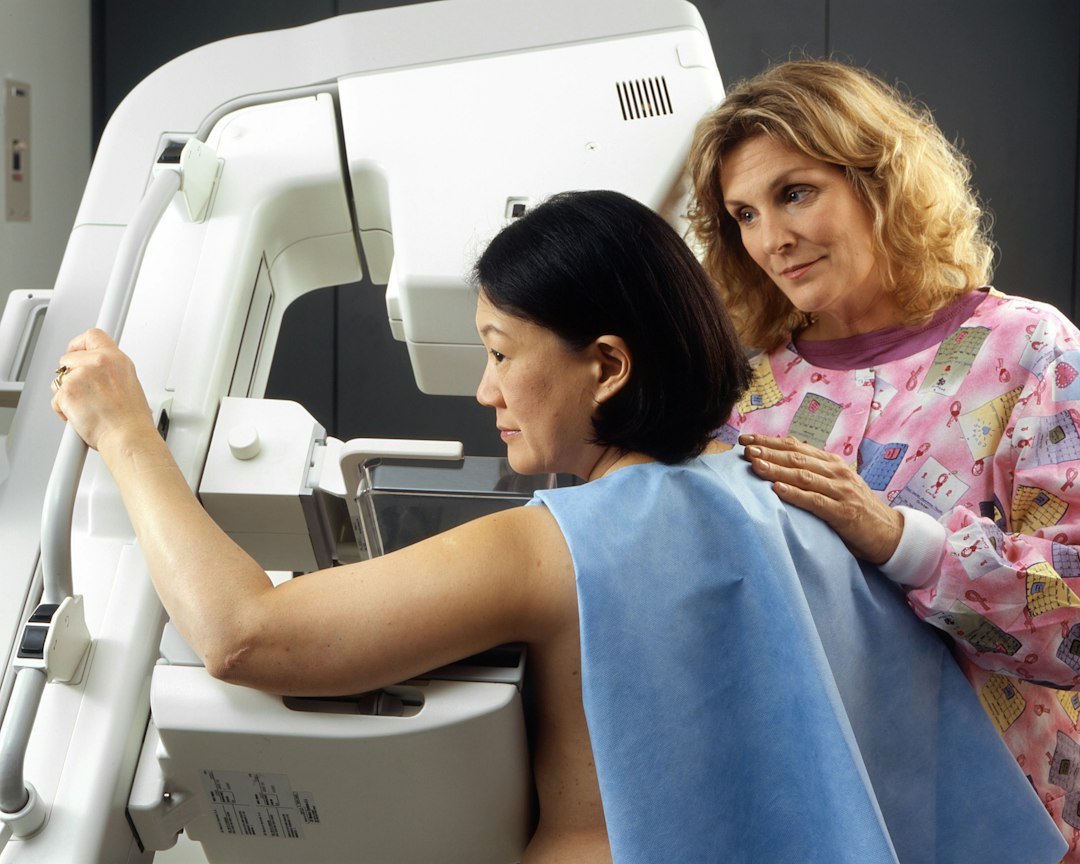
October is Breast Cancer Awareness Month, and for many Canadian women in their 40s the most practical question is a simple one: can I book a mammogram on my own, or do I still need a doctor’s referral?
The answer depends on where you live. Over the past two years, several provinces have lowered the age at which people can refer themselves to an organized breast screening program, while others are still phasing changes in. Here is where things stand in the provinces whose official programs we checked, based on information published by provincial governments and cancer agencies.
Where you can self-refer at 40
British Columbia: BC Cancer says people aged 40 to 74 can book a screening mammogram without a referral. Appointments can be booked by calling 1-800-663-9203 or by contacting a screening centre directly. BC Cancer’s guidance for health professionals notes that screening is available every two years for people in their 40s, and that those with a parent, child or full sibling who has had breast cancer are advised to screen every year.
Ontario: The Ontario government says you can self-refer for a mammogram through the Ontario Breast Screening Program beginning at age 40, with no doctor’s referral needed and the test covered by OHIP. People aged 50 to 74 are encouraged to talk to their doctor or nurse practitioner about screening every two years. The program can be reached at 1-800-668-9304.
Saskatchewan: As of July 1, 2026, women aged 40 and older can book a screening mammogram through the province’s screening program without a referral, the Saskatchewan government announced. That completed an 18-month phase-in that lowered the age from 50. The province said about 76,000 more women became eligible. To book, eligible women can call 1-855-584-8228. The province lists several conditions: no breast symptoms such as lumps, bloody nipple discharge or skin changes, no breast implants, not being in active follow-up for breast cancer, and being cancer-free for the past five years.
Nova Scotia: Nova Scotia Health says women over 40 with no breast problems or implants may self-refer, and that a routine screening mammogram is recommended beginning at 40 for women with no symptoms. Bookings can be made at 902-473-3960 in the Halifax area or toll-free at 1-800-565-0548.
Where changes are still rolling out
Manitoba: Since Jan. 2, 2026, Manitobans aged 45 and older have been able to book their own screening appointment through BreastCheck, run by CancerCare Manitoba, without a referral. The provincial government has said work is underway to expand self-referral to age 40 by the end of 2026. Until then, people aged 40 to 44 need a referral from a health care provider. BreastCheck can be reached at 1-855-952-4325.
Alberta: The Alberta government announced on April 22, 2026, that all women aged 40 and older will be able to self-refer for breast cancer screening without a physician referral beginning April 1, 2027. In the meantime, women aged 45 and older can continue to self-refer, and women aged 40 to 44 can get free screening with a one-time referral from a physician. The province said the change will make more than 193,000 additional women eligible.
Quebec: Quebec’s provincial screening program page says the program is aimed at women aged 50 to 74 who are covered by the province’s public health insurance plan. In September 2025, Quebec’s Ministry of Health and Social Services said it had received two expert reports on possibly widening access to women aged 40 to 49 and was studying different scenarios. Women under 50 in Quebec who have questions about screening should speak with a health professional.
Other provinces and the territories run their own programs with their own rules. If you live elsewhere, your provincial or territorial health ministry or cancer agency website will list current eligibility and booking details.
Who screening programs are designed for
Organized screening programs are meant for people who have no symptoms. Saskatchewan’s and Manitoba’s eligibility rules, for example, exclude people with breast symptoms, current breast implants or a recent history of breast cancer. Manitoba’s program also lists pregnancy and recent breastfeeding as reasons to wait.
That distinction matters. A screening mammogram is a routine check. If you notice a lump, nipple discharge, skin changes or anything else unusual, provincial programs direct you to see a health care provider rather than book a routine screening appointment, since you may need a different kind of test.
Programs also differ on how often to screen. Several provinces, including Saskatchewan, Manitoba and Ontario, describe screening every two years for people at average risk, while people with a strong family history may be advised to screen more often. Your provider or the program itself can tell you which schedule fits your situation.
Talking it over before you book
Being eligible to self-refer does not mean every woman in her 40s must book right away. Provincial programs encourage people to understand both the benefits and the limits of mammograms. BC Cancer, for instance, publishes a decision aid for people in their 40s weighing whether to start screening, and Nova Scotia Health suggests talking with a health care provider if you have questions about whether screening is right for you.
Alberta’s government noted in its announcement that the province already has high screening rates, with 84 per cent of women aged 50 to 74 and 52 per cent of women aged 40 to 49 screened by mammogram in the past three years. The push to lower self-referral ages in several provinces is aimed at making that first appointment easier to get, without needing to find a family doctor first.
If you have a mother, sister, aunt or friend in her 40s, this is a good month to share where your province stands. A quick call to your province’s program, or a conversation with a doctor, nurse practitioner or pharmacist, can clear up whether it is time to book.
This article is based on official guidance from BC Cancer, the Government of Ontario, the Government of Saskatchewan, Nova Scotia Health, the Government of Manitoba and CancerCare Manitoba, the Government of Alberta and the Government of Quebec, and is provided for general public information. It’s not a substitute for medical advice, if you have questions about how this applies to you, talk to your doctor or pharmacist.
If you find reporting like this useful, consider supporting Canada News Media, an independent Canadian newsroom with no corporate parent.
Sources: BC Cancer, Who Should Screen?; BC Cancer, Breast Screening for health professionals; Government of Ontario, Breast cancer testing and prevention; Government of Saskatchewan, July 2, 2026; Nova Scotia Health, Mammogram; Government of Manitoba news release; CancerCare Manitoba, BreastCheck; Government of Alberta, April 22, 2026; Government of Quebec, Quebec Breast Cancer Screening Program; Health Canada, Calendar of health promotion days.