

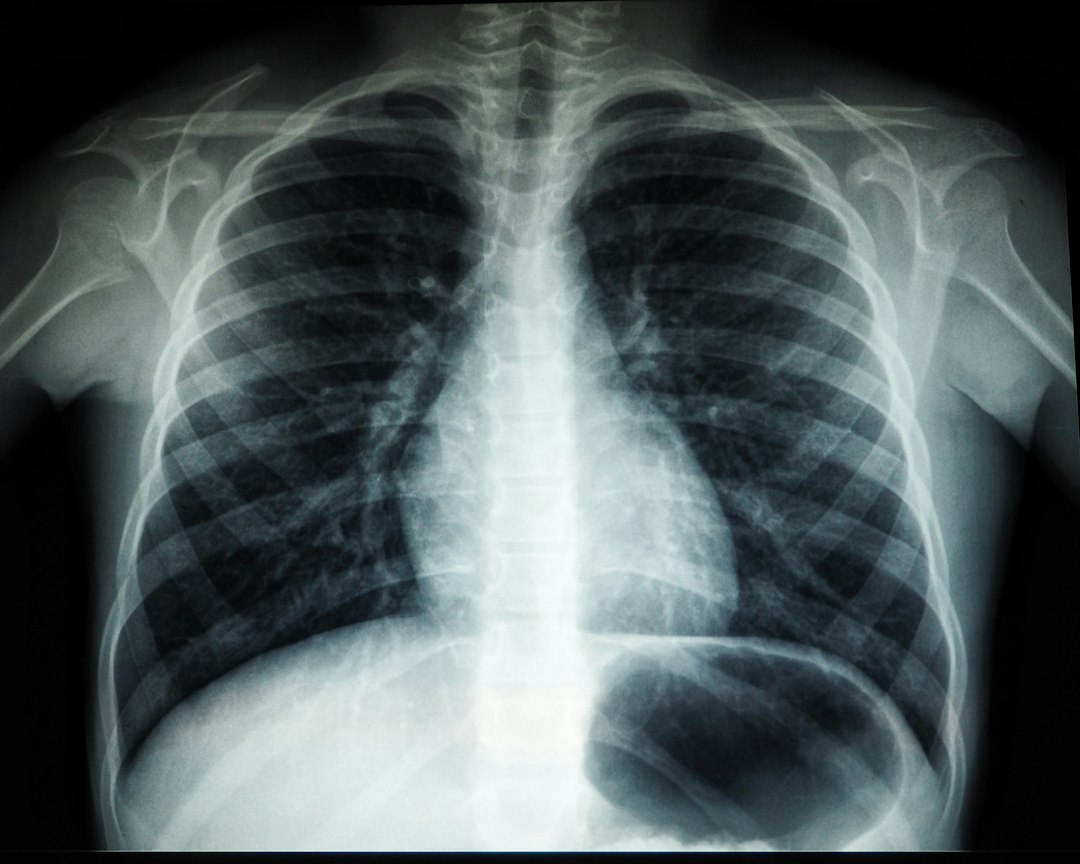
Lung cancer is the leading cause of cancer death in Canada, and screening people at high risk with a low-dose CT scan can catch it earlier, when it is easier to treat. But whether you can get screened, and how, depends on where you live. Some provinces run full programs, some are in pilot phases, and others are still planning.
Screening is not a general test for everyone. It is meant for people at higher risk because of age and smoking history, and who have no symptoms. People who already have symptoms such as a persistent cough or coughing up blood should see a health-care provider instead of waiting for a screening program.
The Canadian Partnership Against Cancer, which tracks provincial programs, reported in early 2026 that most provinces use a risk-prediction tool to decide who qualifies. The details differ from province to province, so the list below is a guide, not a guarantee of eligibility. Program details were last published at different times, and some are still changing.
Province-by-province rundown
| Province or territory | Where it stands | Who generally qualifies | How to start |
|---|---|---|---|
| British Columbia | Provincial program running since April 2022 | Ages 55 to 74 at high risk (CPAC) | Call a lung screening centre at 1-877-717-5864 |
| Alberta | Alberta Lung Cancer Screening Program | Ages 50 to 74, current or former smokers | Online self-assessment at screeningforlife.ca, or call 1-866-727-3926 (option 4) |
| Saskatchewan | LungCheck, started as a pilot in Swift Current in July 2025 | Ages 50 to 74 at high risk, no symptoms | Ask your health-care provider or contact the Saskatchewan Cancer Agency |
| Manitoba | Planning stage, no organized program confirmed | Not yet finalized | Talk to your primary care provider |
| Ontario | Ontario Lung Screening Program, launched 2021 | Ages 55 to 80 with at least 20 years of daily smoking (CPAC) | Self-referral or a referral from your doctor |
| Quebec | A demonstration project ran from June 2021 to March 2024; wider rollout planned | The project covered ages 55 to 74 with 20 or more years of smoking | Ask your health-care provider about current availability |
| New Brunswick | Provincial program announced in 2023, with rollout planned | Ages 50 to 74 with a 20-year smoking history, as announced | Ask your health-care provider about current availability |
| Nova Scotia | Lung Screening Program in the Central and Eastern zones, with expansion planned | Ages 50 to 74 with at least 20 years of daily smoking, no symptoms | Call 1-833-505-5864 or email [email protected] |
| Prince Edward Island | Planning and development | Not stated | Talk to your primary care provider |
| Newfoundland and Labrador | Pilot in St. John’s and Grand Falls-Windsor | Ages 55 to 74 with a smoking history of 20 years or more | Referral from a health-care provider for a risk assessment |
| Yukon, N.W.T., Nunavut | No organized program confirmed | Not stated | Talk to your health-care provider |
What the screening involves
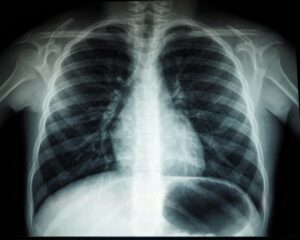
In the programs that have launched, the first step is usually a short risk assessment, often by phone or online. In Nova Scotia, for example, a nurse navigator asks about smoking history and discusses next steps, which can include a scan and help to quit smoking. Alberta’s self-assessment asks about age, smoking history, and personal and family cancer history. If you qualify, you are booked for a low-dose CT scan, a quick imaging test of the chest.
Programs also point people to smoking cessation supports. Quitting remains one of the most effective steps a person can take to lower lung cancer risk, whether or not they are screened.
Why the rules differ
Canada’s health care is run by the provinces and territories, so each one decides how to build its program. Most use a risk-prediction model that weighs age and smoking history, along with other factors, to set a cut-off. That is why the age range is 50 to 74 in some places and 55 to 80 in others. Several provinces have said their criteria are under review, so the rules may change.
The Canadian Partnership Against Cancer said that ten provinces have been or are being funded to plan or put lung screening programs in place. Programs in the territories are still at an early stage.
What to do if your province has no program yet
If you are in a province without a program, you can still ask your doctor or nurse practitioner about your lung cancer risk and whether any pilot or referral pathway exists near you. Availability can differ by region even inside a province, as the Nova Scotia and Newfoundland and Labrador programs show.
Check your provincial cancer agency or health authority website for the latest eligibility rules before you call, since several programs are still expanding.
This article is based on official guidance from provincial cancer and health agencies and the Canadian Partnership Against Cancer, and is provided for general public information. It’s not a substitute for medical advice, if you have questions about how this applies to you, talk to your doctor or pharmacist.
If you find reporting like this useful, consider supporting Canada News Media, an independent Canadian newsroom with no corporate parent.
Sources: Canadian Partnership Against Cancer, Lung cancer screening in Canada, 2026; Alberta Screening for Life; BC Cancer; Nova Scotia Health; NL Health Services; Saskatchewan Cancer Agency; Institut national de santé publique du Québec.