



France and Germany agreed on Oct. 16 to a joint position that would soften the European Union’s 2035 ban on new petrol and diesel cars while requiring most car parts to be made in Europe, in a deal struck on the sidelines of an EU leaders’ meeting in Brussels.
Under the position, carmakers would have to cut fleet-average CO2 emissions by 90 per cent by 2035, down from the 100 per cent cut the EU adopted earlier, and could not offset the remaining 10 per cent. The deal is still developing, since other member states and the European Parliament have yet to weigh in.
The detailed terms come from a report syndicated by Yahoo News, and Euronews also reported the deal on Oct. 16. A joint Franco-German statement said the two countries want the cars of the future “produced in Europe” while keeping their climate ambitions, according to that report.
The local-content rules are specific. At least 70 per cent of a car’s components, excluding the battery, would have to be made in Europe, and 10 per cent of battery content would have to come from European sources. The requirement is tied to a European preference in public contracts that the European Commission proposed in March under its Industrial Accelerator Act.
France had wanted the preference limited to the EU’s 27 member states, while Germany wanted trusted non-EU countries included. The compromise makes Norway, Iceland, Switzerland and the United Kingdom eligible, provided they sign agreements with the EU and prevent other countries from using them to get around the rules. An unnamed source at the Élysée, the French presidency, said the aim was a European preference so factories do not become “mere assembly plants.”
The Commission proposed in December 2025 to loosen the 2035 target to a 90 per cent cut, or about 11 grams of CO2 per kilometre instead of zero, according to trade outlet electrive. The Commission would have let carmakers offset the last 10 per cent with low-carbon EU steel and clean fuels, and it expected 27 to 29 per cent of new registrations to still have combustion engines after 2035. The Franco-German position drops that offsetting, which makes it stricter than the Commission’s text on that point. It is not an unrestricted return to combustion engines.
Electrive reported on Oct. 7, citing the German newspapers FAZ and Handelsblatt, that Chancellor Friedrich Merz and President Emmanuel Macron were negotiating such a trade-off: France would drop its opposition to weaker CO2 limits, and Germany would accept stricter “Made in EU” rules it had resisted. Both governments cite high production costs, the expensive shift to electric vehicles and competition from Chinese manufacturers. Germany, home to Volkswagen, BMW and Mercedes-Benz, wants room for combustion and hybrid models after 2035.
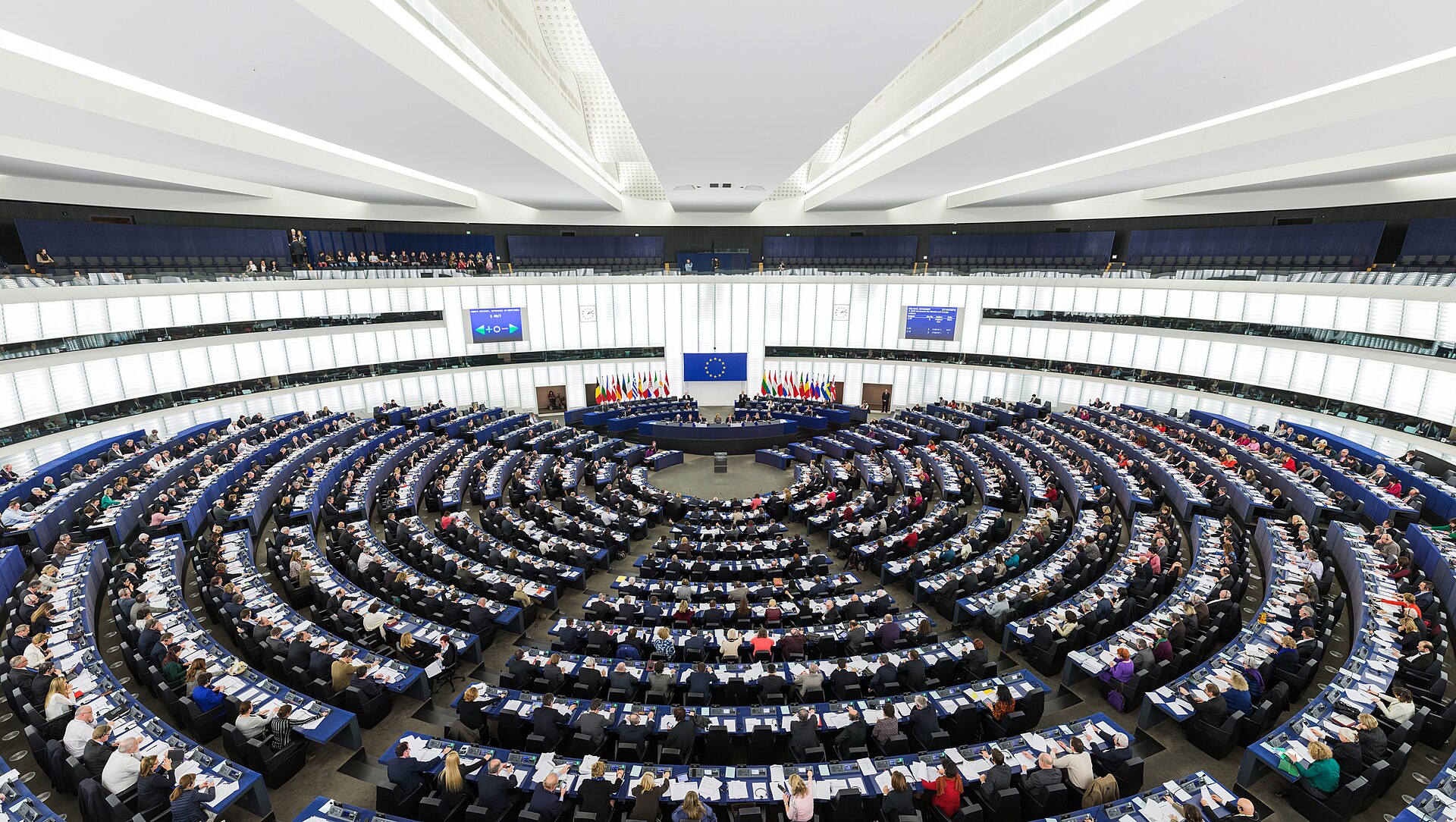
Next, members of the European Parliament are due to vote on the Commission’s proposal in plenary in Strasbourg on Nov. 23, according to the Yahoo-syndicated report. Parliament and EU governments must then agree how far to relax the 2035 target. In the Council of the EU, a qualified majority requires at least 15 countries representing 65 per cent of the bloc’s population, electrive said.
The decision matters beyond Europe because the bloc’s rules shape what its carmakers build and sell. In Canada, zero-emission vehicles reached 13 per cent of new vehicle sales in August, according to our earlier report. Canada’s own vehicle rules are separate from the EU’s, and this report found no Canadian government reaction to the deal.
If you find reporting like this useful, consider supporting Canada News Media, an independent Canadian newsroom with no corporate parent.
Via Yahoo News and electrive.
Follow Canada News Media
Get the day's top Canadian stories and our two daily 60-second news videos wherever you scroll.
X Threads Facebook Instagram LinkedIn TikTok YouTube Pinterest Reddit Substack Flipboard Newsletter RSS