
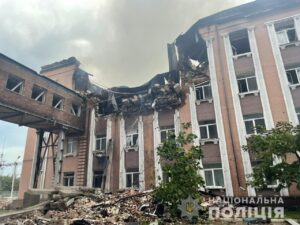

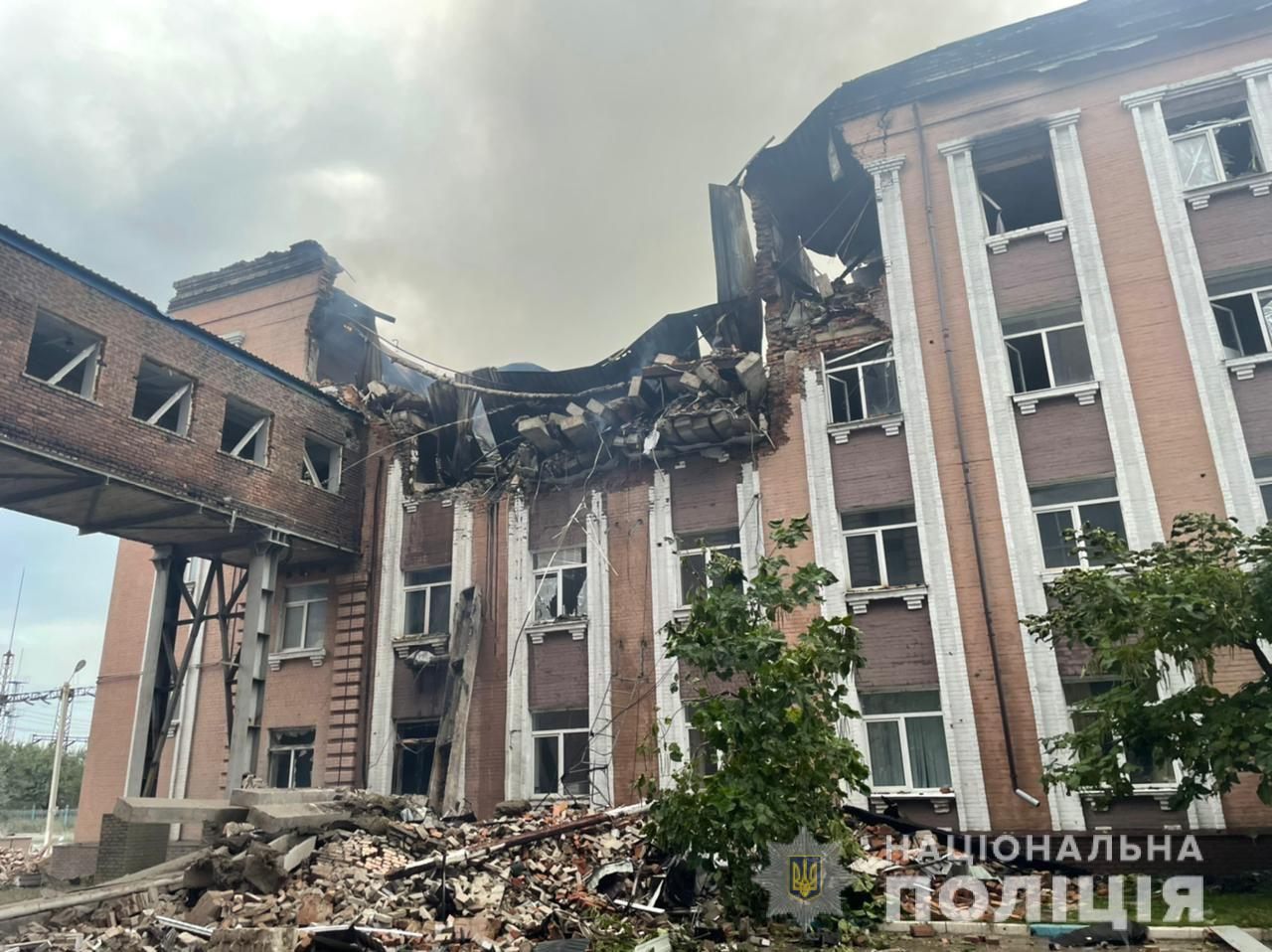
Russian drones and missiles killed seven people and injured about 90 across Ukraine over the past day, regional authorities said on Oct. 17, as Moscow’s attacks on the country’s energy grid continued ahead of winter.
Updated Oct. 17, 2026. Figures are preliminary and may change.
Ukraine’s Air Force said it shot down 289 of the 332 attack drones launched overnight, along with all four Kalibr cruise missiles fired from Novorossiysk. That left 43 drones unaccounted for in the figures, and the Air Force said hits were recorded at 22 locations, with debris falling at three more.
The Air Force, which reported its figures on Telegram, said the barrage began at 6 p.m. on Friday, Oct. 16, and that its tally ran to 8 a.m. on Saturday. It said 31 of the drones were jet-powered Shaheds, and that Iskander-M or North Korean KN-23 ballistic missiles and Kh-22/32 cruise missiles were also used. Ukrinform carried the Air Force breakdown. Ukraine’s account of Russian launches has not been independently verified.
The Kyiv Independent, which compiled the regional tolls, reported that strikes on energy facilities overnight and on the morning of Oct. 17 left some homes without power, citing Ukraine’s Energy Ministry. The ministry has not published a full count of affected customers.
In Kharkiv Oblast, Gov. Oleh Syniehubov said two people were killed and 41 were injured or suffering from stress, including three children. In Donetsk Oblast, Gov. Vadym Filashkin said two people died in Kramatorsk and 15 were injured. In Dnipropetrovsk Oblast, Gov. Oleksandr Hanzha said a 74-year-old woman was killed near Nikopol, and a man died in Dnipro after an industrial facility was targeted.
Kherson Oblast Gov. Oleksandr Prokudin said Russian forces hit 31 towns and villages, killing one person and injuring at least 19, including children. Vinnytsia Oblast Gov. Natalia Zabolotna described the strike on her region as one of the largest since the full-scale invasion began in February 2022, with six people injured. At least four were injured in Odesa Oblast, according to Gov. Oleh Kiper, and six in Zaporizhzhia Oblast, according to Ivan Fedorov, head of the regional defence council.
The strikes come days after Russian attacks left about 600,000 customers without power, which we reported on Oct. 14. Ukrainian President Volodymyr Zelenskyy said on Oct. 13 that Russia had broken a U.S.-brokered energy ceasefire, a claim we reported as his alone.
The diplomatic backdrop is shifting. The Kyiv Independent reported that U.S. President Donald Trump issued a broad waiver of sanctions under the Lindsey O. Graham Sanctioning Russia and Iran Act on Oct. 16. A sanctions campaigner quoted by the outlet said Trump had “hollowed it out before its main sanctions could bite.” We have not read the waiver text. European leaders backed Zelenskyy at their Brussels summit amid a rift with Washington over Russian diesel, and the U.S. extended a Lukoil Bulgaria waiver to April 2027.
For Canadians, the winter outlook in Ukraine bears on a large diaspora. Statistics Canada’s 2021 census counted more than 1.2 million people who reported Ukrainian ancestry. Canada is among the countries that have imposed sanctions on Russia since the 2022 invasion.
Air raid alerts sounded in Kyiv and other regions again on the morning of Oct. 17 over a ballistic missile threat, and the Air Force warned of launches aimed at Zaporizhzhia and Kryvyi Rih. Casualty figures are likely to rise as regional authorities finish their counts.
If you find reporting like this useful, consider supporting Canada News Media, an independent Canadian newsroom with no corporate parent.
Via Ukrinform and The Kyiv Independent.
Follow Canada News Media
Get the day's top Canadian stories and our two daily 60-second news videos wherever you scroll.
X Threads Facebook Instagram LinkedIn TikTok YouTube Pinterest Reddit Substack Flipboard Newsletter RSS