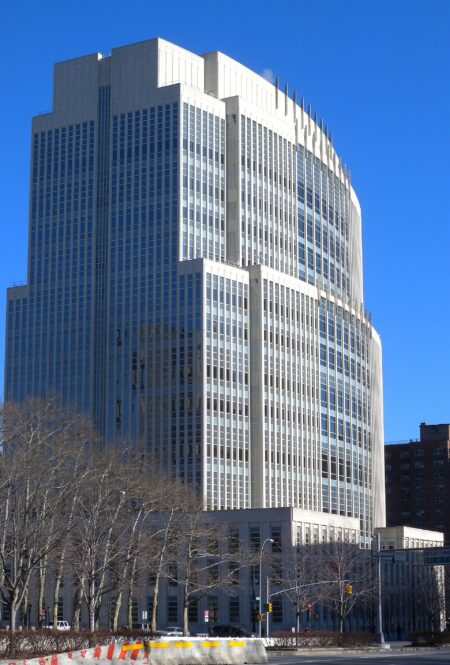



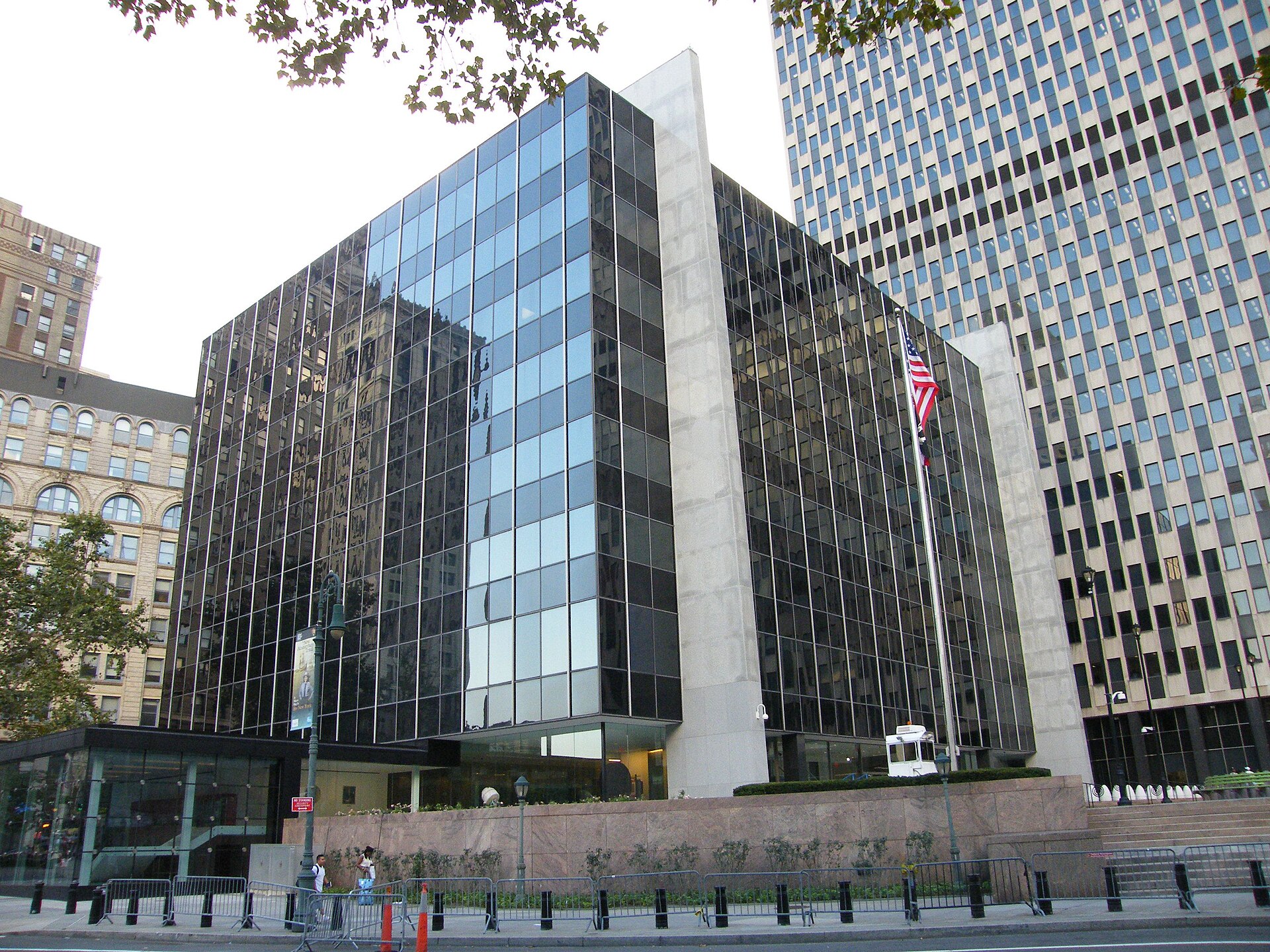
A U.S. food importer and a proposed class of importers sued the Trump administration in the Court of International Trade on Oct. 20, 2026, asking the court to strike down the 50 per cent tariffs on Canadian goods imposed under a 1930 trade law.
The suit challenges the use of Section 338 of the Tariff Act of 1930 against Canada and targets the legal basis for duties on roughly US$20 billion in Canadian goods that took effect on Aug. 22. The plaintiffs also want refunds with interest for every importer who paid the duties.
The case, Gellert Global Group Corp. v. Trump, was filed by the legal nonprofit Liberty Justice Center on behalf of Gellert Global Group, which the group describes as a third-generation family-run U.S. food business. Arab News reported the filing the same day, and CNBC also reported it.
The complaint makes four main arguments, according to the Liberty Justice Center. It says the administration exceeded its authority under Section 338, which the group says is meant only to offset specific foreign discrimination against U.S. commerce. It says Congress replaced Section 338 with Section 301 of the Trade Act of 1974.
The suit also says the administration broke Section 338’s 30-day waiting period by collecting duties on Canadian cheeses seven days after adding them to the tariff list. And it says cheese was added to lists meant to address Canada’s liquor and automobile policies, even though the dairy proclamation does not cover cheese.
The plaintiffs are asking for a declaration that the tariffs are unlawful, an order blocking their collection, and refunds with interest, including for duties collected too early. The Liberty Justice Center said it has filed motions for a preliminary injunction and for summary judgment.
“This case is not about the president. It is about the presidency,” said Sara Albrecht, the group’s chairman and chief executive officer. She also said “the Constitution gives tariff power to Congress.”
Jeffrey Schwab, the group’s senior counsel and director of litigation, said: “The administration cannot skip those protections by reaching for a 1930 statute.” Thomas Gellert, co-chief executive of Gellert Global Group, said the tariffs “disrupt those relationships overnight and create costs and uncertainty,” according to the group’s statement.
Arab News said the suit argues Trump has used “shifting legal rationales” and older laws to claim a power the Constitution gives to Congress. It reported that the U.S. Supreme Court ruled against most of Trump’s 2025 tariffs in February and that businesses and states have continued to challenge the administration’s later tariffs. Neither the Liberty Justice Center statement nor Arab News reported a response from the White House or a court schedule.
The tariffs under challenge were announced after trade talks between Ottawa and Washington broke down. The Associated Press reported on Aug. 22 that the duties applied to about US$20 billion in Canadian goods, about five per cent of Canada’s annual exports to the United States, and that Section 338 had never before been used to raise tariffs. Trump said Canada unfairly discriminates against U.S. exports of cars, alcohol and dairy products, the AP said in its report carried by PBS NewsHour.
The measures grew in September. As we reported, the White House announced import bans on Canadian alcohol, whey and large motorcycles from Sept. 29 under the same law, and extended 50 per cent tariffs to dozens more products from Sept. 15. Unlike earlier U.S. tariffs, the Section 338 measures do not exempt goods that comply with the Canada-United States-Mexico Agreement, Axios reported.
For Canadian exporters, the case matters because a ruling against Section 338 would remove the legal footing for the 50 per cent duties and the import bans. The refunds the plaintiffs seek would go to the U.S. importers who paid the duties at the border, not directly to Canadian sellers. Ottawa answered the U.S. measures with counter-tariffs that took effect Sept. 8, covering $27.6 billion in U.S. imports, according to the Department of Finance Canada. The lawsuit does not challenge those Canadian measures. We found no statement on the case from the federal government in Ottawa.
Importers have gone to this court before. After the Supreme Court’s tariff ruling, Nintendo sued for refunds in March. No hearing date in the Gellert case has been reported. The preliminary injunction motion will be the first thing to watch, because it would decide whether collection continues while the case proceeds.
Via Arab News, Liberty Justice Center, the Associated Press and Axios.
If you find reporting like this useful, consider supporting Canada News Media, an independent Canadian newsroom with no corporate parent.
Follow Canada News Media
Get the day's top Canadian stories and our two daily 60-second news videos wherever you scroll.
X Threads Facebook Instagram LinkedIn TikTok YouTube Pinterest Reddit Substack Flipboard Newsletter RSS