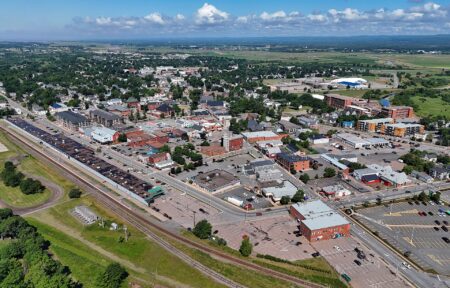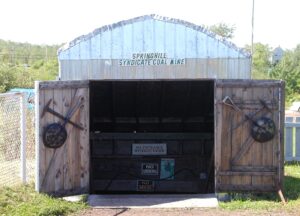


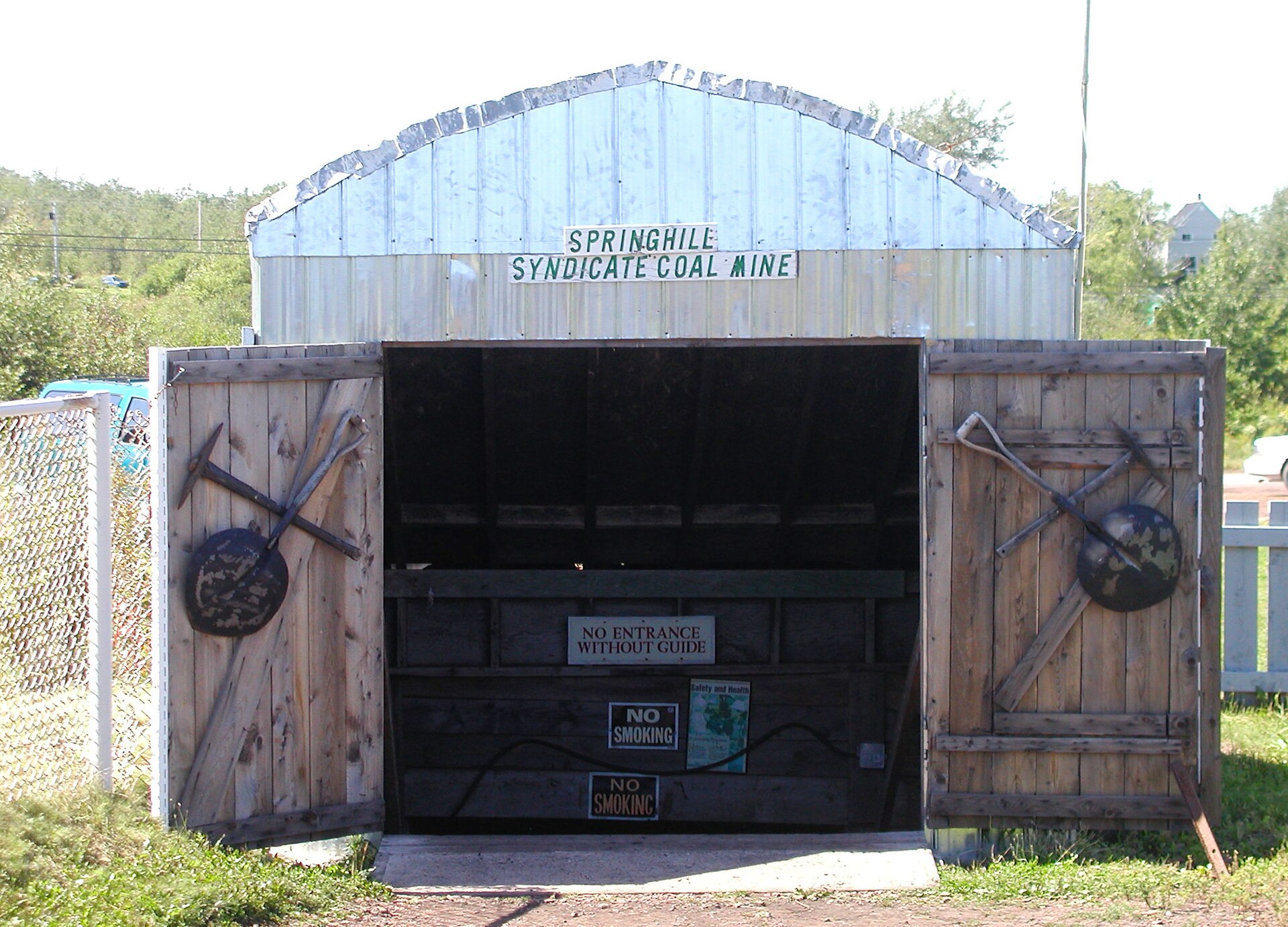
A violent underground shift known as a bump struck the No. 2 colliery in Springhill, N.S., at 8:06 p.m. on Oct. 23, 1958, trapping coal miners in a disaster that killed at least 74 men and drew the world’s attention.
Wikipedia’s account of the Springhill mining disasters says 174 men were working in the mine when the bump hit, after a smaller one had been felt about an hour earlier. The disaster killed 75 of them. A tribute from the Canadian Senior Moment newsletter puts the toll at 74, noting that some sources say 75, and counts exactly 100 men who came out alive. Wikipedia’s figures imply 99 survivors. The sources differ by one on both counts, and Canada News Media is reporting the range rather than choosing between them.
Rescuers worked through the night. By 4 a.m. on Oct. 24, 75 survivors had reached the surface, according to Wikipedia, while teams wearing breathing apparatus pushed deeper to look for the others. The hardest wait was for the men sealed behind rockfall. After about five and a half days, rescuers made contact with a group of 12 survivors on the far side of a rockfall 160 feet thick. A rescue tunnel broke through to them at 2:25 a.m. on Oct. 30. Another group was found on Saturday, Nov. 1, and no one was found alive after that.
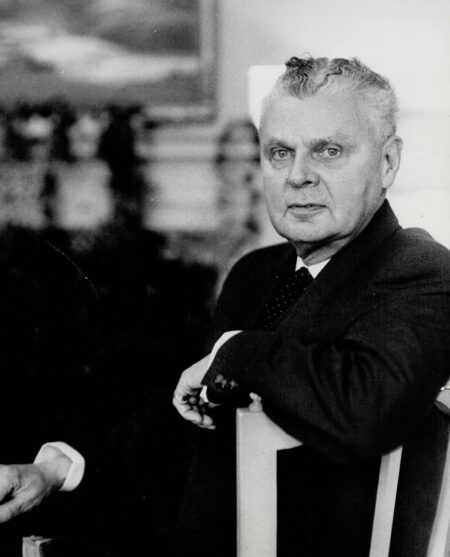
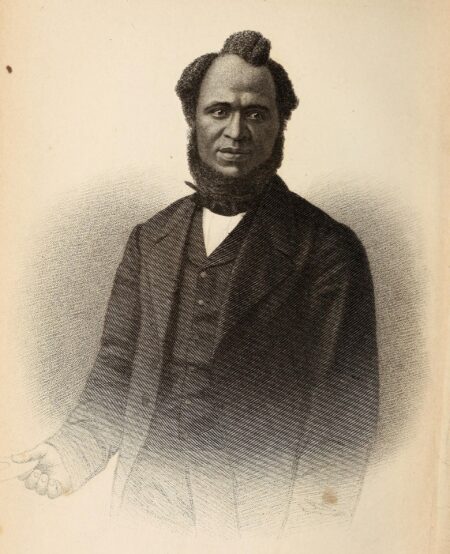
One of the last groups included Maurice Ruddick, a miner born in Joggins, N.S., in 1912. The Canadian Encyclopedia says he was trapped with six other workers near the bottom of the mine and kept the group together by leading songs and prayers. Ruddick later said the singing became harder as the days passed. The group was rescued about nine days after the bump.
Springhill became one of the first major international news events carried live on television. Wikipedia says CBC’s live broadcasts made it the first such event to reach audiences around the world that way. Several survivors and rescuers were later invited onto The Ed Sullivan Show in the United States.
Ruddick, who was Black, became a national figure. The Canadian Encyclopedia says readers of the Toronto Telegram voted him Canada’s citizen of the year in February 1959, with 51 per cent of the ballots among 21 nominees. Wikipedia and the encyclopedia both describe a vacation offered by Georgia governor Marvin Griffin on Jekyll Island that was segregated, so Ruddick and his wife, Norma, stayed in a trailer. The encyclopedia says they accepted the offer anyway.
The 1958 bump was the town’s third major mine disaster. Wikipedia says an explosion on Feb. 21, 1891, killed 125 men and boys, some as young as 10, and a bump at the No. 4 colliery on Nov. 1, 1956, killed 39 and left 88 others to be rescued. After 1958, the operator, Dominion Steel and Coal Corp., ended mining in Springhill and the pits never reopened.
The community’s response left a lasting mark. Wikipedia says the rescuers received a Royal Canadian Humane Association gold medal, the first given to a group, and that Springhill is the only community to have received the Carnegie Medal. The disaster inspired songs, including Peggy Seeger and Ewan MacColl’s The Ballad of Springhill, and books such as Melissa Fay Greene’s Last Man Out.
Today the No. 2 mine, about 14,300 feet deep, is flooded and supplies geothermal heating to the town’s industrial park, according to Wikipedia. Further reading is available in the Wikipedia entry on the Springhill mining disasters, the Canadian Encyclopedia profile of Maurice Ruddick and the Canadian Senior Moment note for Oct. 23.
If you find reporting like this useful, consider supporting Canada News Media, an independent Canadian newsroom with no corporate parent.
Follow Canada News Media
Get the day's top Canadian stories and our two daily 60-second news videos wherever you scroll.
X Threads Facebook Instagram LinkedIn TikTok YouTube Pinterest Reddit Substack Flipboard Newsletter RSS