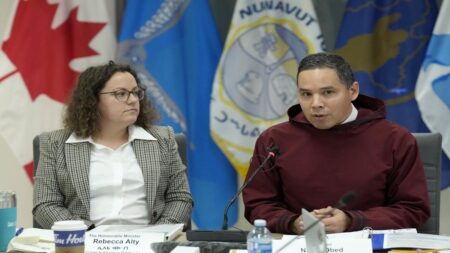


WHITEHORSE — The Yukon government is asking the territory’s Supreme Court to throw out a lawsuit from the Tr’ondëk Hwëch’in First Nation, arguing it was not obligated to consult the First Nation before it amended mining regulations last year, CBC News reported Friday.
In a statement of defence filed Oct. 1, the territory said it took “necessary and proper legislative actions” to address matters of concern and denied infringing on the First Nation’s final agreement. It is the government’s first response to the suit, which Tr’ondëk Hwëch’in filed in January.
The case centres on temporary amendments made in May 2025 to the placer-mining, quartz-mining and water-use regulations. The territory was facing a major permitting backlog at the time, partly because existing operations must be re-permitted every decade. The amendments, in effect until Dec. 31, 2028, let the government extend soon-to-expire permits and licences for eligible operators waiting for their projects to be re-assessed.
In its statement of claim, Tr’ondëk Hwëch’in said the government never consulted it on the change even though some projects awaiting re-assessment are on its territory, and that the omission violated its final agreement. The First Nation also argued the government should have anticipated the backlog and raised staffing levels. It is seeking compensation for damages, any money the government saved by not hiring staff, and a declaration that the government breached its duty to consult.
The government said it “at all times had adequate staffing and resources to undertake these assessments.” It acknowledged that “in certain circumstances, Yukon owes a duty to consult” but said that duty is not “triggered or owed” to the First Nation “in the legislative process.” The defence also argues the First Nation waited too long to sue, denies it suffered damages, and says its participation in two Yukon working groups on mining legislation undercuts its request for a declaration.
Tr’ondëk Hwëch’in filed a reply on Oct. 13. It argued that “no working group” has addressed the regulatory amendments and that the government “does not come to the Court with clean hands.”
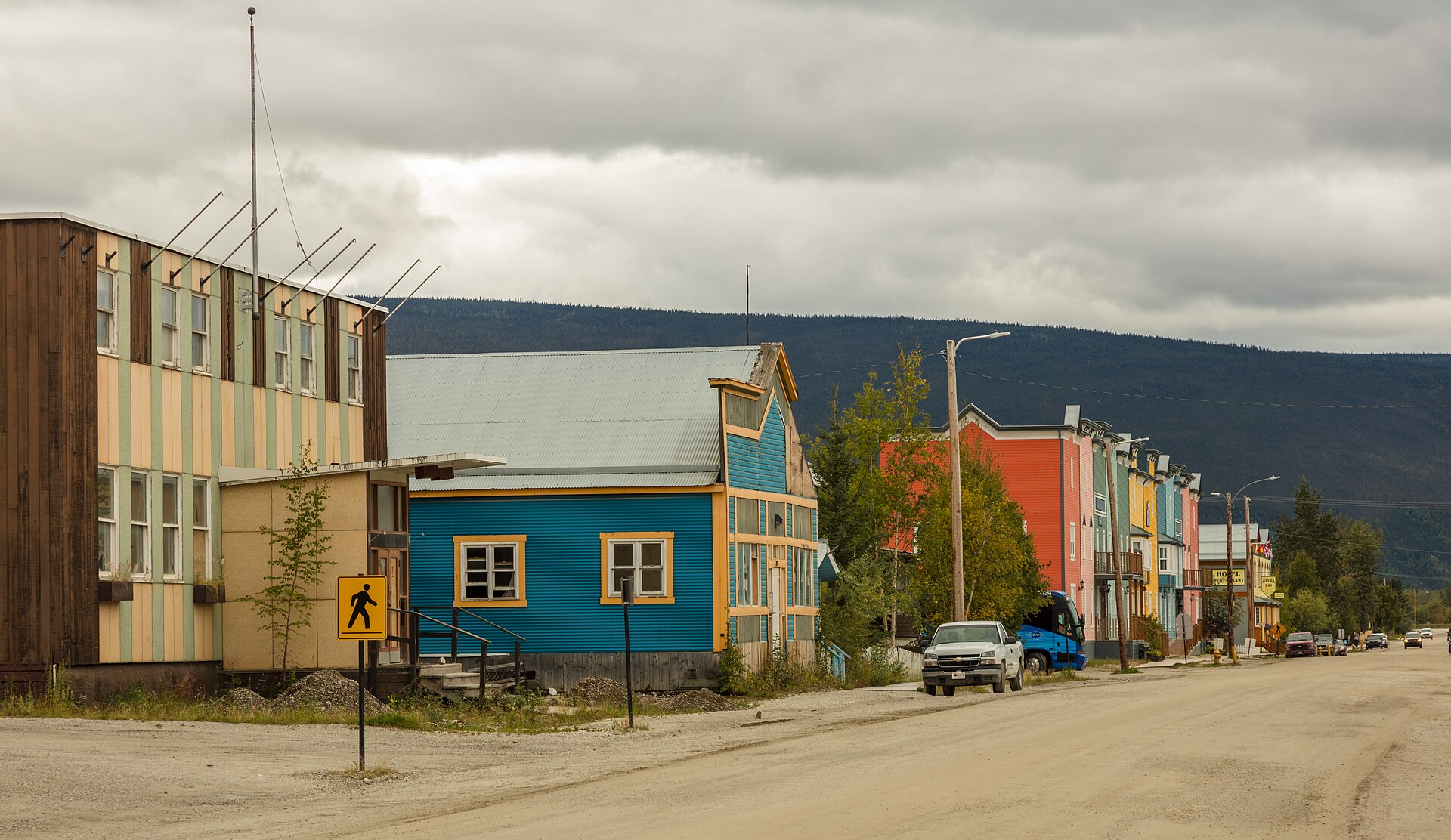
The First Nation, whose traditional territory centres on Dawson City, has a separate lawsuit against the government over mineral claims staked on its settled land before its final agreement was signed. None of the claims in either case has been tested in court.
The dispute comes as the territory’s mining sector draws fresh attention. On Thursday, the receiver for the troubled Eagle gold mine said it had agreed to sell the property for $140 million, and the territory is also weighing a vote on its rent cap. Readers can find more on Indigenous peoples in Canada on our site.
Source: CBC News, based on the Yukon government’s statement of defence and the First Nation’s reply.
If you find reporting like this useful, consider supporting Canada News Media, an independent Canadian newsroom with no corporate parent.
Follow Canada News Media
Get the day's top Canadian stories and our two daily 60-second news videos wherever you scroll.
X Threads Facebook Instagram LinkedIn TikTok YouTube Pinterest Reddit Substack Flipboard Newsletter RSS