


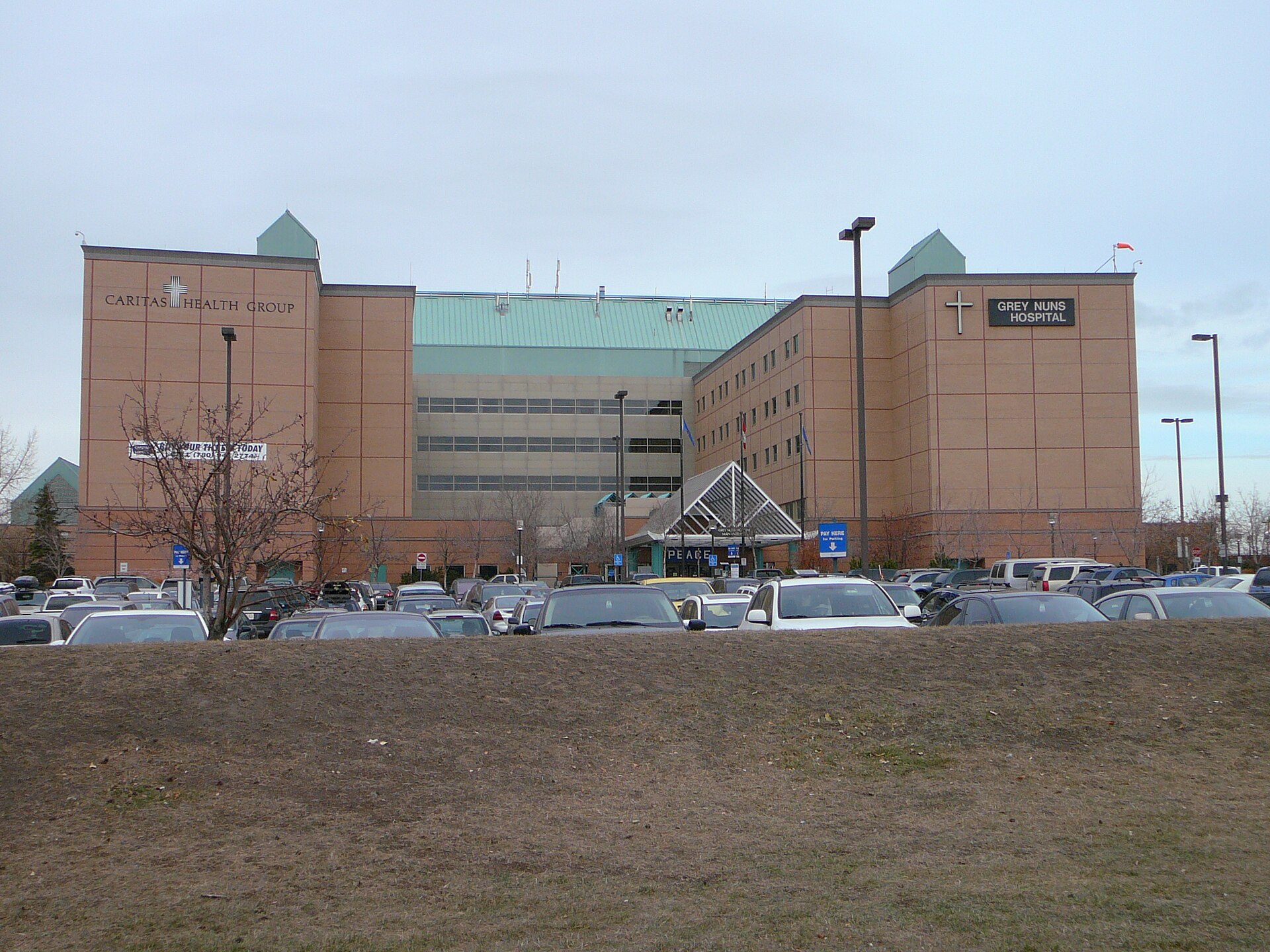
A fatality inquiry in Edmonton has heard that Grey Nuns Community Hospital has operated above capacity for years and that hiring more doctors alone would not fix overcrowding.
Dr. Greg Hrynchyshyn, an internal medicine specialist and president of the general internal medicine section of the Alberta Medical Association, testified Thursday that the hospital’s five general medicine units have had more patients than beds since at least 2024. “There is an actual physical limit to what care can be provided in the facility,” he said, according to CBC News.
The inquiry is examining the death of Prashant Sreekumar, 44, who died on Dec. 22, 2025, after waiting about eight hours in the Grey Nuns emergency department to see a doctor about chest pain. His family went public about his death, which we reported at the time in our story on the Edmonton father who died after an eight-hour wait. A review was later ordered, as we noted in our report on that review.
Justice Randal Brandt of the Alberta Court of Justice is presiding. He can make recommendations aimed at preventing similar deaths.
Hrynchyshyn said the hospital has caps to keep doctors from being responsible for more patients than they can safely oversee, and those caps were in place when Sreekumar died. Medical literature suggests one doctor can manage roughly 18 to 20 patients, depending on how complex their needs are, he said, though doctors are expected to care for everyone admitted to their unit.
He told the inquiry the hospital plans to create a high-intensity medical unit with more monitoring and nurses for patients with complex needs, and may add a fifth internal medicine team. Getting occupancy below 100 per cent would still be difficult without new infrastructure, he said.
The inquiry also heard that patients who no longer need hospital care but cannot be discharged are a major factor. Hrynchyshyn estimated that 20 to 30 per cent of beds are taken up by such patients at any time. Some need long-term care or supportive living, while others need rehabilitation, home care, supportive housing or specialized care for conditions such as brain injuries. Weekend gaps in assessments, imaging, medication support and home-care arrangements slow discharges, he said. “We need the same supports on Saturday and Sunday as I have on Tuesday and Wednesday.”
On Friday, Kimberly Nickoriuk, executive lead of client navigation and integration with Assisted Living Alberta, testified that continuing care facilities always have waitlists. Spaces typically open up only when a resident dies, she said. Her organization oversees home-care services, waitlist management and placement for about 31,000 continuing care spaces across Alberta. When a hospital is over capacity, its patients may be prioritized over those waiting in the community, she said.
Lana Chivers, a senior program officer with Covenant Health who oversees emergency care at the Grey Nuns and Misericordia hospitals, cited the same problems of bed scarcity and discharge delays. A hospital official testified Friday that the Grey Nuns’ overall occupancy was about 101 per cent in 2025 and has risen since.
On Wednesday, veteran emergency physician Dr. Warren Thirsk told the inquiry that Alberta’s emergency care system is in a prolonged crisis. Edmonton’s population has grown substantially during his 25-year career without matching growth in hospital infrastructure, he said.
The inquiry is adjourned until December, when more witnesses are expected to testify.
Source: CBC News, Oct. 24, 2026.
If you find reporting like this useful, consider supporting Canada News Media, an independent Canadian newsroom with no corporate parent.
Follow Canada News Media
Get the day's top Canadian stories and our two daily 60-second news videos wherever you scroll.
X Threads Facebook Instagram LinkedIn TikTok YouTube Pinterest Reddit Substack Flipboard Newsletter RSS