

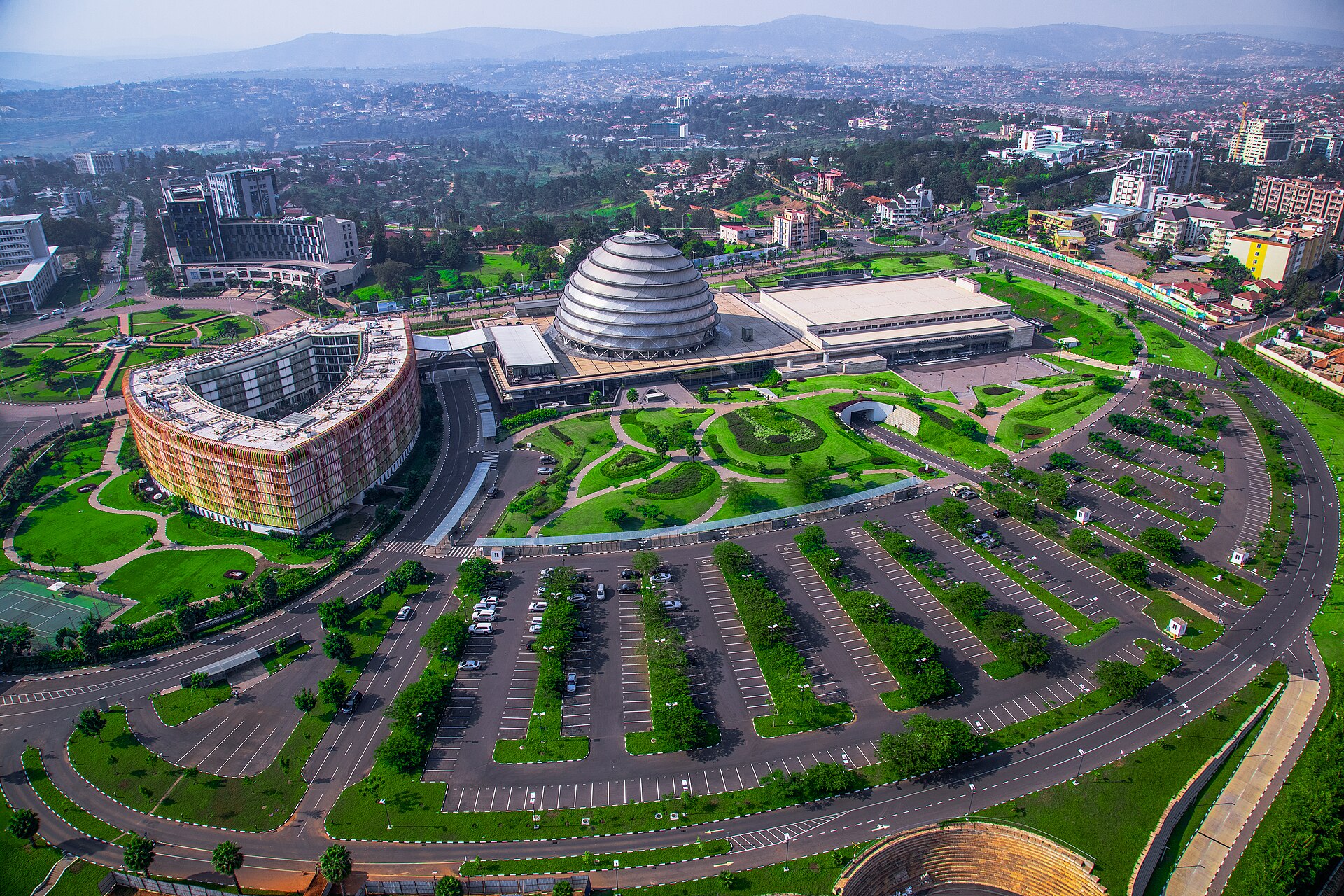
The United States sanctioned Rwanda’s Ministry of Defence and a Rwandan bank, Zigama Credit and Savings Society, on Oct. 28, 2026, over what Washington says is military and financial support for the M23 rebel group in eastern Democratic Republic of Congo.
The measures freeze the designated entities’ assets under U.S. jurisdiction and generally bar U.S. individuals and businesses from dealing with them, the U.S. Treasury Department said in announcing the action by its Office of Foreign Assets Control. They follow sanctions on Rwanda’s army and four senior commanders in March 2026 and on a gold refinery and three mining companies in June 2026, according to the BBC.
“Rwanda must halt its support for M23 and withdraw its troops from eastern DRC,” U.S. Treasury Secretary Scott Bessent said.
The Treasury alleges that Rwanda’s defence ministry directed thousands of troops to fight alongside M23, and supplied weapons, equipment, logistics and training. It also alleges Zigama facilitated tens of millions of dollars in transactions for M23 and its political wing, the Congo River Alliance, helped pay for military equipment for Rwandan forces from China, and enabled gold to be moved from rebel-held areas to Kigali.
Rwanda denies backing M23. Government spokesperson Yolande Makolo told the BBC that the Washington Accords, signed by the Congolese and Rwandan presidents in December 2025 under U.S. mediation, contain commitments on neutralizing the FDLR militia that she said remain “wholly unmet.” The FDLR is a group linked to perpetrators of Rwanda’s 1994 genocide. “Rwanda remains ready to fully implement the Washington Accords, concurrently with the willingness of the DRC to fulfill those commitments,” Makolo said.
Congo’s foreign ministry welcomed the sanctions in a statement to Reuters and urged Rwanda to withdraw its troops. On Oct. 24, President Félix Tshisekedi had called on the international community to impose concrete sanctions on Rwanda.
Fighting has continued in eastern Congo since early 2025, when M23 seized Goma and Bukavu. The group has also taken mineral-rich areas, including gold sites in South Kivu and Rubaya, a major coltan-producing area in North Kivu. Washington says minerals from rebel-held territory enter Rwanda’s supply chains and alleges Rwanda exports more minerals than it produces. M23 recently joined a new rebel coalition led by former Congolese president Joseph Kabila, which we reported on earlier this month.
Pressure on Kigali is also reaching sport. Two U.S. senators, Jeff Merkley and Marsha Blackburn, wrote to NBA commissioner Adam Silver on Oct. 23 questioning the league’s partnership with Rwanda, the BBC reported. Rwanda recently secured a 10-year deal to host Formula 1’s African Grand Prix from the early 2030s, a move Congo objected to, as we reported on Oct. 15.
Canada has taken its own steps. In March 2025, Ottawa announced action against Rwanda over its military role in eastern Congo, including suspending export permits and some business cooperation, according to Reuters and The Globe and Mail. Rwanda’s government called the move “shameful.” Canadians with ties to Rwanda or Congo, and companies sourcing gold, tin or coltan from the Great Lakes region, are the most likely to feel any further tightening of rules.
The conflict also sits alongside a wider health crisis in the region. Congo’s Ebola outbreak has killed 4,381 people, as we reported.
It was not immediately clear whether further sanctions or diplomatic steps are planned. Via the BBC and Reuters.
If you find reporting like this useful, consider supporting Canada News Media, an independent Canadian newsroom with no corporate parent.
Follow Canada News Media
Get the day's top Canadian stories and our two daily 60-second news videos wherever you scroll.
X Threads Facebook Instagram LinkedIn TikTok YouTube Pinterest Reddit Substack Flipboard Newsletter RSS