
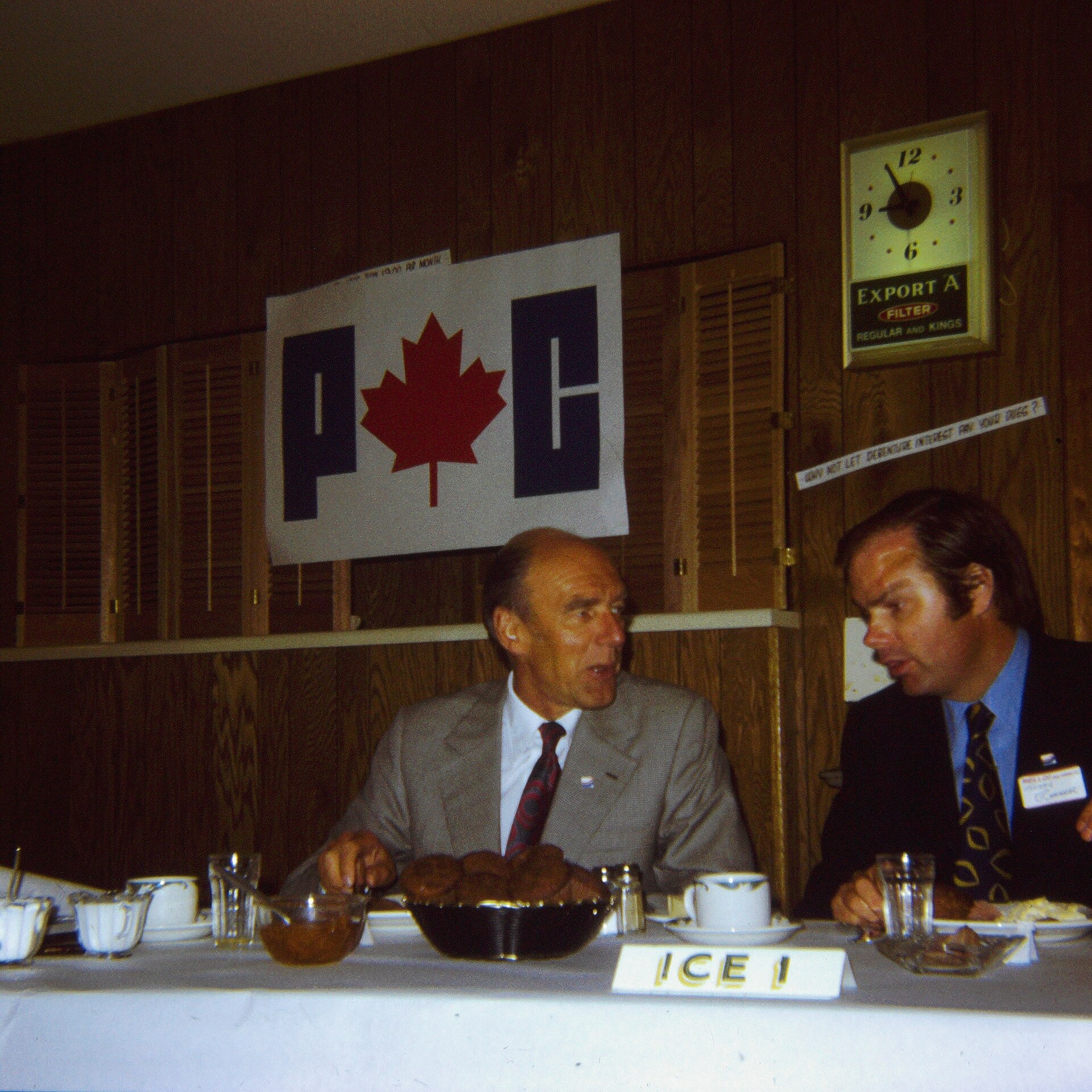
Canadians went to the polls on Oct. 30, 1972, and elected a Liberal minority government under Prime Minister Pierre Trudeau, with the Liberals ahead of Robert Stanfield’s Progressive Conservatives by just two seats.
The final tally, as listed by CBC Archives and Wikipedia, was 109 seats for the Liberals, 107 for the Progressive Conservatives, 31 for the New Democrats and 15 for Social Credit, all of them in Quebec. Two independents also won seats. A majority in the 264-seat House of Commons required 133.
It was a sharp drop for a government that had won 155 seats in 1968. Wikipedia’s account of the campaign says the Liberals started with a 10-point lead in the polls, then were hurt by a slumping economy and rising unemployment. Their slogan, “The Land is Strong,” was paired with television ads showing Canadian scenery and quickly became much derided, the same account says. It describes the effort as one of the worst-managed campaigns in recent decades.
The Liberals took 38.42 per cent of the vote to 35.02 per cent for the Progressive Conservatives, according to Wikipedia. Turnout was 76.7 per cent. It was also the first federal election in which 18-year-olds could vote, after the voting age was lowered from 21.
What followed was a long wait. CBC Archives reports that on election night the count showed the Liberals with 108 seats and the Tories with 107, while Maclean’s has described the early count as 109 Conservative and 107 Liberal, so accounts of that night differ. By the next day, CBC reports, the Tories were ahead 109 to 108 in the long count. The result only flipped after recounts, including one in a rural riding near Toronto that Maclean’s says changed hands by four votes. CBC reports that the Globe and Mail published the final standings on Nov. 18, 1972, after three judicial recounts.
The uncertainty raised a constitutional question. Trudeau visited the governor general the day after the vote, which CBC says he did as a courtesy. Stanfield said he could not assume the prime minister would step aside. “I’m not entitled to assume the prime minister will resign,” Stanfield said. “I have to recognize that constitutionally, he can wait to face Parliament.”
Trudeau, who had spoken before the vote about the dangers of weak minority governments, spoke after the result. “Whether or not it is clear to you, no doubt the universe is unfolding as it should,” he said, borrowing a line from the poem Desiderata, according to CBC.
The New Democrats, led by David Lewis, held the balance of power. Wikipedia says the Trudeau government moved left politically during the minority, including the creation of Petro-Canada. CBC says the Liberals were propped up by the NDP for 19 months, until an NDP motion of non-confidence defeated the government after a May 1974 budget. Canadians returned to the polls on July 8, 1974, and the Liberals won a majority.
The 1972 result showed how a government that looks secure at the start of a campaign can lose most of its cushion by election day, and how a two-seat margin can reshape what a government is able to do. It was also the last federal election until 1997 in which more than three parties won official party status, Wikipedia notes.
If you find reporting like this useful, consider supporting Canada News Media, an independent Canadian newsroom with no corporate parent.
This article draws on the CBC Archives account of the 1972 election, the Wikipedia entry on the 1972 Canadian federal election and Maclean’s.
Follow Canada News Media
Get the day's top Canadian stories and our two daily 60-second news videos wherever you scroll.
X Threads Facebook Instagram LinkedIn TikTok YouTube Pinterest Reddit Substack Flipboard Newsletter RSS