
Only Quebec and British Columbia legally require winter tires in Canada: Quebec from Dec. 1 to March 15 on all passenger vehicles registered in the province, and B.C. from Oct. 1 to April 30 on designated highways and mountain passes. Every other province recommends them, and drivers there can still be charged if their vehicle is unsafe for the conditions.
With early snow already hitting parts of Alberta and the Prairies, and the clocks going back on Nov. 1, many drivers are booking tire changes now. The rules below are based on provincial transport guidance and tire-industry summaries. Dates and penalties change, so confirm them with your provincial transportation ministry or insurer before you travel.
Quebec has the strictest rule in the country. Winter tires must carry the three-peak mountain snowflake symbol or be approved studded tires, and they must be on the vehicle between Dec. 1 and March 15. Drivers caught without them face a fine. The rule applies to vehicles registered in Quebec, including taxis, so out-of-province drivers are generally not subject to it, but they are expected to drive to conditions.
B.C. requires winter tires, or chains where signs say so, on many highways from Oct. 1 to April 30. Signs mark the affected routes, which include mountain passes such as the Coquihalla. Tires must show the mountain snowflake symbol or the M+S marking with adequate tread. Studded tires are allowed only during the winter period, and the studs cannot be longer than two millimetres.
Ontario does not require winter tires. Insurers in the province must offer a discount to drivers who install four winter tires, so it is worth asking your provider. Studded tires are restricted to northern parts of the province.
Alberta, Saskatchewan and Manitoba do not mandate winter tires. Police can still charge drivers under general rules if a vehicle is not fit for road conditions, and cold temperatures harden all-season rubber long before snow arrives. Tire makers and safety groups generally advise switching when the temperature stays at or below 7 C.
New Brunswick, Nova Scotia, Prince Edward Island, Newfoundland and Labrador, Yukon, the Northwest Territories and Nunavut also do not require winter tires. Several of these jurisdictions regulate studded tires by season, so check local dates if you plan to use them.
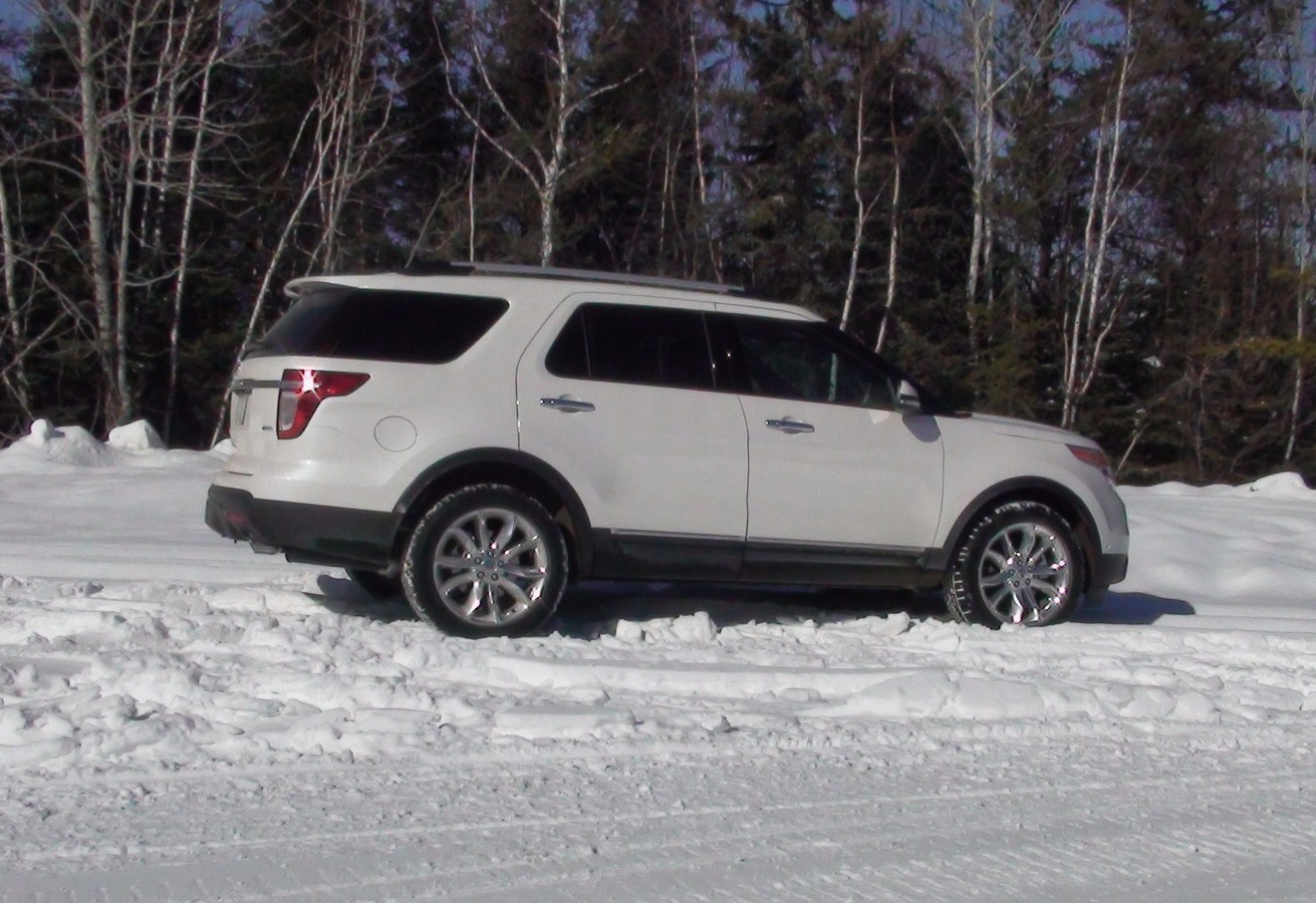
Look for the three-peak mountain snowflake symbol on the sidewall. The M+S (mud and snow) marking alone is not considered equivalent in Quebec, and all-season tires are not winter tires even when they carry the M+S label.
Many shops book up after the first snowfall, so appointments in early to mid-November are easier to get. Check tire pressure after the switch, because cold air lowers pressure.
Related: see our winter storm prep checklist and the weekend guide to Halloween, the time change and tires.
If you find reporting like this useful, consider supporting Canada News Media, an independent Canadian newsroom with no corporate parent.
Sources: provincial transportation ministries and tire-industry guides, including Continental Tire Canada. Penalties and dates may change; confirm with your province.
Follow Canada News Media
Get the day's top Canadian stories and our two daily 60-second news videos wherever you scroll.
X Threads Facebook Instagram LinkedIn TikTok YouTube Pinterest Reddit Substack Flipboard Newsletter RSS