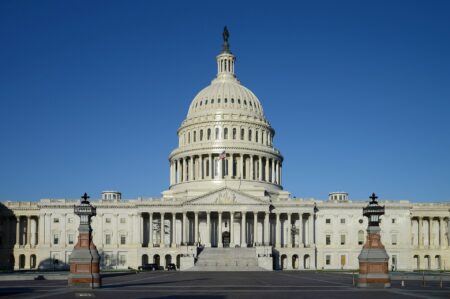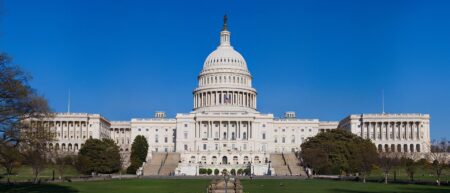



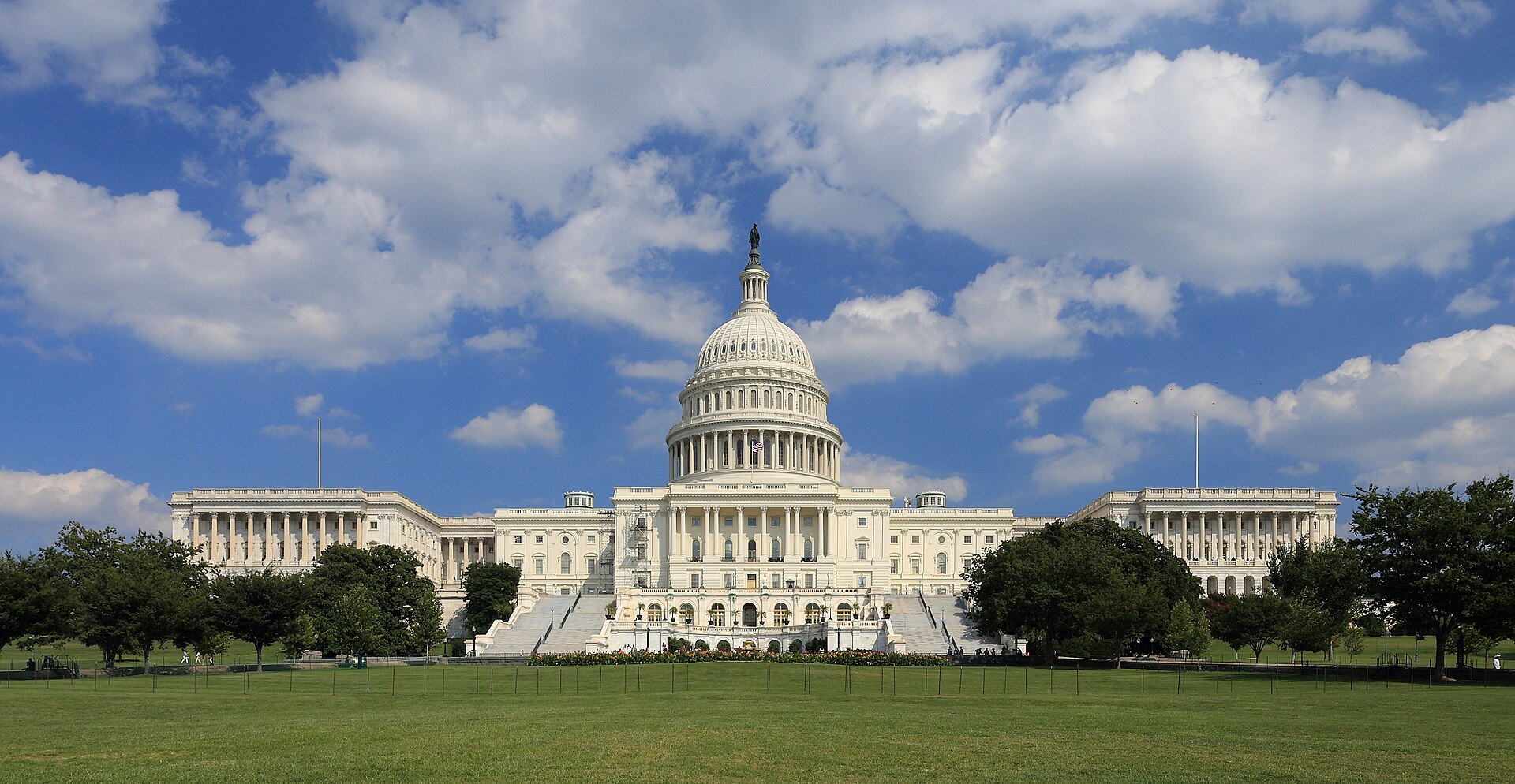
Americans vote Tuesday in the 2026 midterm elections, which will decide control of the U.S. House of Representatives and Senate, 36 governorships and dozens of state ballot measures, CBS News reported.
More than 57 million people had already voted early by Monday, according to the University of Florida Voting Lab, as cited by CBS. Our own report on Oct. 30 put the figure at 34 million as of Oct. 27.
Republicans hold 218 House seats plus one independent who normally votes with them, while Democrats hold 214 and two seats are vacant, CBS reported. A party needs 218 of the 435 seats for a majority. CBS has identified 47 battleground districts, 20 held by Democrats and 27 by Republicans. Its Battleground Tracker, estimated on Oct. 25, projected Democrats at 229 seats, within a range of 215 to 237. That is a projection, not a result.
In the Senate, Republicans hold 53 seats and Democrats 47, and 35 seats are up. A party needs 51 for a majority. CBS lists 11 key races: Alaska, Iowa, Kansas, Maine, North Carolina, Ohio, South Carolina and Texas, all now held by Republicans, and Georgia, Michigan and New Hampshire, held by Democrats.
Voters in several states will also decide ballot measures. California’s Proposition 40 would impose a one-time five per cent tax on billionaires living in the state, with the money going to health care, food assistance and education. Maryland and Missouri have redistricting measures. California, Arizona, Colorado and Nevada are voting on voter identification rules. Alaska voters will decide whether to repeal ranked-choice voting. Missouri, Idaho and Virginia have abortion-related measures, and more than 40 local measures on data centres appear on ballots in over a dozen states, CBS reported.
President Donald Trump spoke on Monday at the Reflecting Pool in Washington. “With your vote, we will decide these extremists will be given power or not power,” he said, according to CBS. He also said: “For some reason, the sitting president doesn’t win the midterms.”
Democratic strategist Chuck Rocha, who advises the Talarico and Hinojosa campaigns in Texas, told CBS: “There’s a Hispanic hurricane coming.” Daniel Garza, president of the LIBRE Initiative, said: “I think most voters couldn’t tell you what the Democrat plan is for bringing down prices.”
The final days included a court fight over ballots. The U.S. Supreme Court on Monday turned down a Trump administration request to make California separate mail ballots from thousands of voters the administration described as “likely” non-citizens, CBS reported. We covered that ruling in Supreme Court rejects DOJ bid to sideline California ballots.
For Canada, the result matters because Congress writes and funds trade law, and tariffs on Canadian goods have been a campaign issue. We explained the stakes in What the U.S. midterms mean for Canada, and when to watch, and reported that no Canada-U.S. trade deal is expected before the vote.
Counting will continue after polls close, and close races, particularly in the Senate, may not be called on election night. Early ballots in some states are counted on different timetables, so initial totals can shift.
Via CBS News, which published its live coverage and a ballot-measure guide on Nov. 3.
If you find reporting like this useful, consider supporting Canada News Media, an independent Canadian newsroom with no corporate parent.
Follow Canada News Media
Get the day's top Canadian stories and our two daily 60-second news videos wherever you scroll.
X Threads Facebook Instagram LinkedIn TikTok YouTube Pinterest Reddit Substack Flipboard Newsletter RSS