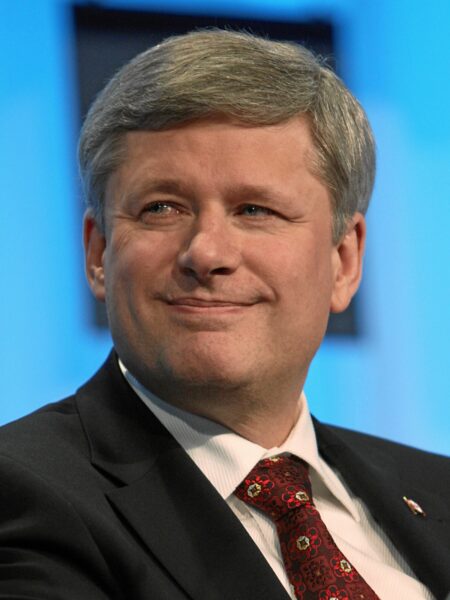



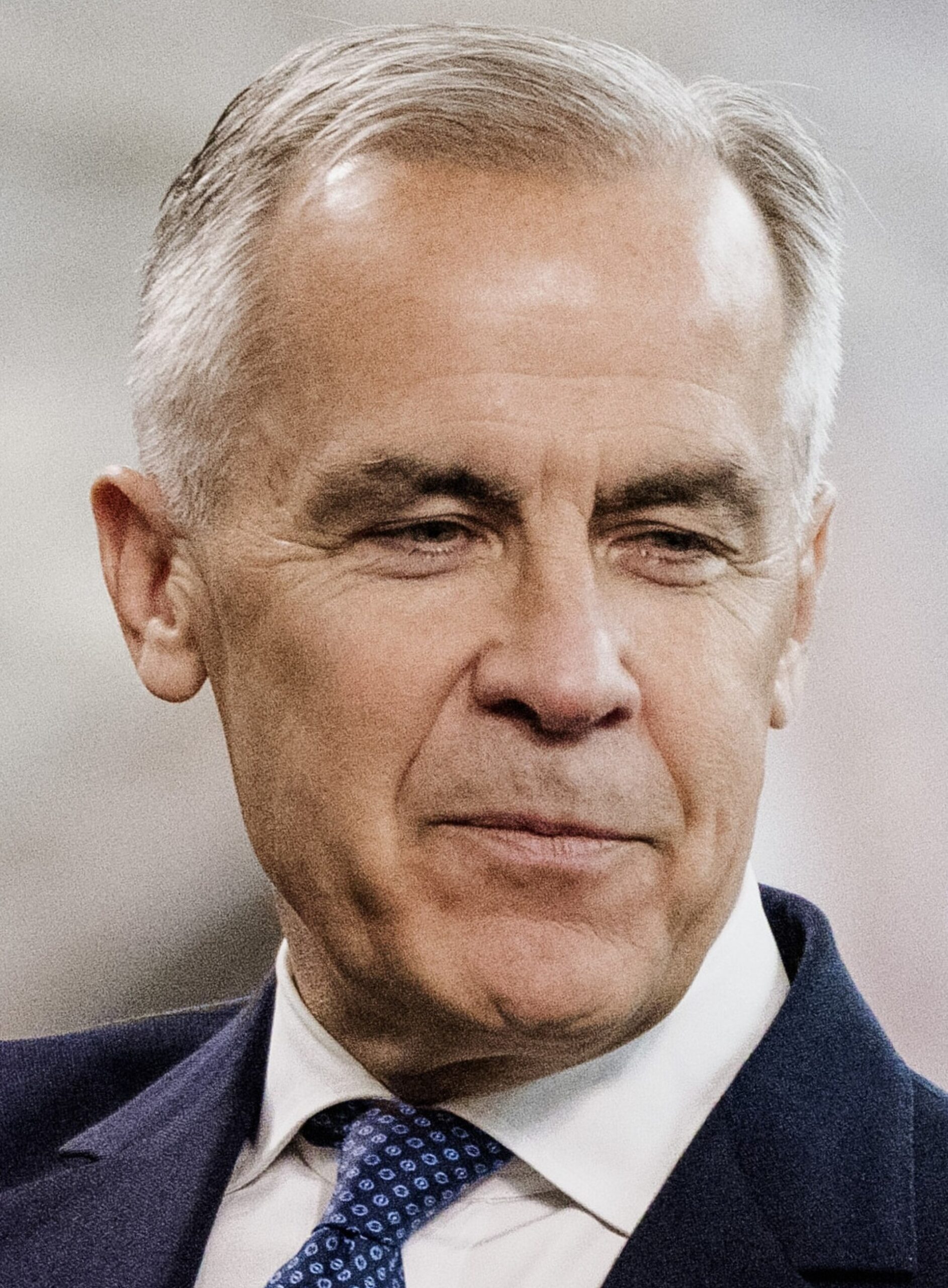
Prime Minister Mark Carney said Ottawa’s review of the Indian Act has no “fixed conclusion” and may not end with the law being abolished, a day after Manitoba Premier Wab Kinew urged him to repeal it at a meeting of First Nations and First Ministers in Ottawa.
Carney told reporters on Oct. 27 that the federal government will work with First Nations and the provinces to review the 1876 law and suggest possible replacements, The Canadian Press reported. The prime minister had said on Monday he was open to reforming or abolishing the act.
“There are numerous inequities and anachronisms, which starts with the very name, of course, of the act,” Carney said, according to The Hub. The outlet reported that neither a timeline nor a preferred option emerged from the meeting, and that any change would depend on agreement from First Nations leadership.
Kinew tabled a proposal on Monday to examine ways to move beyond the act, and Carney accepted it, the Assembly of First Nations said in a release on Oct. 27. Our earlier report covered Kinew’s call to abolish the act.
AFN National Chief Cindy Woodhouse Nepinak said the proposal did not come from the AFN or from the chiefs in its delegation.
“It is important to recognize that this proposal did not come from the AFN or Chiefs from our delegation,” she said in the release. “First Nations must be able to determine for themselves how they want to develop their own laws. Because our rights are our rights and this land is our land.”
She said the question of the Indian Act is one for chiefs to decide.
The Canadian Press reported that most First Nations chiefs agree the legislation is outdated and restrictive, but there is little consensus on whether it should be repealed and replaced. The Hub reported that it is also unsettled who would sit at the table for the review.
The review was one of several outcomes from the two-day gathering. Woodhouse Nepinak said the meeting produced an agreement to convene future First Nations-First Ministers’ meetings and to open federal and provincial tables to First Nations. “The path to progress, prosperity, and reconciliation is founded on the full recognition of our Treaty, inherent, international and constitutional rights,” she said.
Carney also announced $2.5 billion over five years for First Nations emergency response and a $260 million workforce readiness fund, along with new revenue-sharing mechanisms that could include a First Nations Sovereign Wealth Fund. Background on the lead-up is in our report on the meeting between First Nations leaders, premiers and Carney.
Woodhouse Nepinak said the AFN looks forward to following up with premiers and the prime minister over the coming year.
If you find reporting like this useful, consider supporting Canada News Media, an independent Canadian newsroom with no corporate parent.
Follow Canada News Media
Get the day's top Canadian stories and our two daily 60-second news videos wherever you scroll.
X Threads Facebook Instagram LinkedIn TikTok YouTube Pinterest Reddit Substack Flipboard Newsletter RSS