


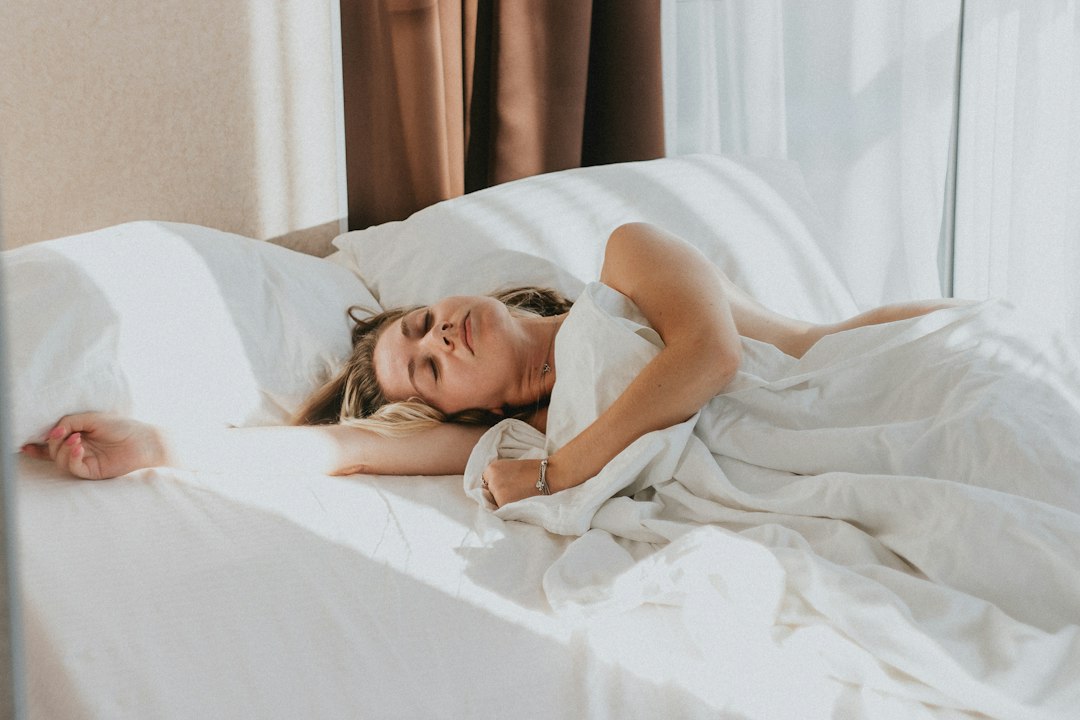
The Public Health Agency of Canada says most adults need seven to nine hours of sleep a night, while adults 65 and older need seven to eight hours. The agency’s latest data suggest most adults get that much, but a large minority do not.
The numbers come from the agency’s Physical Activity, Sedentary Behaviour and Sleep (PASS) indicators, an online data resource that PHAC last updated on Jan. 21, 2026. The page cites Canada’s 24-Hour Movement Guidelines for the recommended hours at each age: nine to 11 hours for school-aged children, eight to 10 hours for youth aged 14 to 17, seven to nine hours for adults aged 18 to 64, and seven to eight hours for adults 65 and older.
The PASS indicators show that 80.7 per cent of adults aged 18 to 64 meet the sleep recommendation, with an average of eight hours a night. Among older adults aged 65 to 79, 61.0 per cent meet it, and the page says fewer older adults than adults aged 18 to 64 do so. The average for older adults is 7.9 hours a night.
Young people sit on both sides of that gap. About 90.8 per cent of children aged five to 11 meet the recommendation, averaging 10.2 hours a night. The figure drops to 63.0 per cent for youth aged 12 to 17, who average 8.8 hours. PHAC says the share of children meeting the recommendation has risen from 83.9 per cent in 2014-15. For youth and for adults, it says the share has not changed since then.
An older PHAC infographic, published in 2019 and based on the Canadian Health Measures Survey for 2014-15, tells the story from the other direction. It says one in four adults aged 18 to 34, one in three adults aged 35 to 64 and one in four adults aged 65 to 79 were not getting enough sleep. The infographic notes a significant difference between males and females in the 35 to 64 group but does not say which group fared worse. Because the two PHAC publications use different age bands and are not from the same survey period, they are best read as separate snapshots rather than a direct comparison. The infographic cites a 2015 National Sleep Foundation review for its adult sleep ranges.
Hours are only part of the picture. The infographic says one in two adults has trouble going to sleep or staying asleep, one in five does not find their sleep refreshing, and one in three has difficulty staying awake during waking hours.
PHAC also compared adults who get enough sleep with those who do not. Among adults with insufficient sleep, 36.3 per cent reported chronic stress, compared with 23.2 per cent of adults with adequate sleep. Poor mental health was reported by 12.3 per cent of those with insufficient sleep and 5.8 per cent of those with adequate sleep. Adults with insufficient sleep also averaged 4.0 hours of sedentary time a day, compared with 3.5 hours. The agency presents these as factors related to insufficient sleep, which means the data show a link, not that one causes the other.
The PASS page adds that not getting enough sleep is associated with negative health outcomes, including chronic diseases, poor mental health and an increased chance of death. It also says sleep supports healthy brain function.
The infographic lists several habits under the heading “good sleep hygiene,” which PHAC says could lead to better sleep. They include avoiding alcohol, caffeine and nicotine before bed, keeping a regular bedtime and wake time, practising relaxation and mindfulness-based stress reduction, reducing noise in the sleeping environment, and exercising regularly. The agency also suggests reviewing medications regularly with a physician or pharmacist.
The PASS page does not give separate sleep tips, but it lists improved sleep quality among the benefits of physical activity. That fits with the infographic’s advice to exercise regularly.
The data have limits. The PASS page does not name a survey year for its current sleep estimates, and neither publication gives an overall national percentage for all age groups combined. The PHAC pages also do not give recommendations for toddlers or infants. Families with younger children can ask a doctor, nurse or public health unit about the sleep needs of a specific age.
This article is based on official guidance from the Public Health Agency of Canada and is provided for general public information. It’s not a substitute for medical advice, if you have questions about how this applies to you, talk to your doctor or pharmacist.
If you find reporting like this useful, consider supporting Canada News Media, an independent Canadian newsroom with no corporate parent.
Sources: Public Health Agency of Canada, Physical Activity, Sedentary Behaviour and Sleep (PASS) Indicators: Key findings; Public Health Agency of Canada, Are Canadian adults getting enough sleep? (infographic).
Follow Canada News Media
Get the day's top Canadian stories and our two daily 60-second news videos wherever you scroll.
X Threads Facebook Instagram LinkedIn TikTok YouTube Pinterest Reddit Substack Flipboard Newsletter RSS