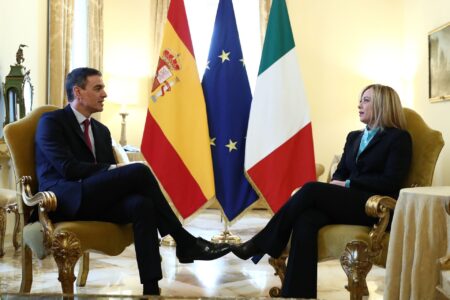



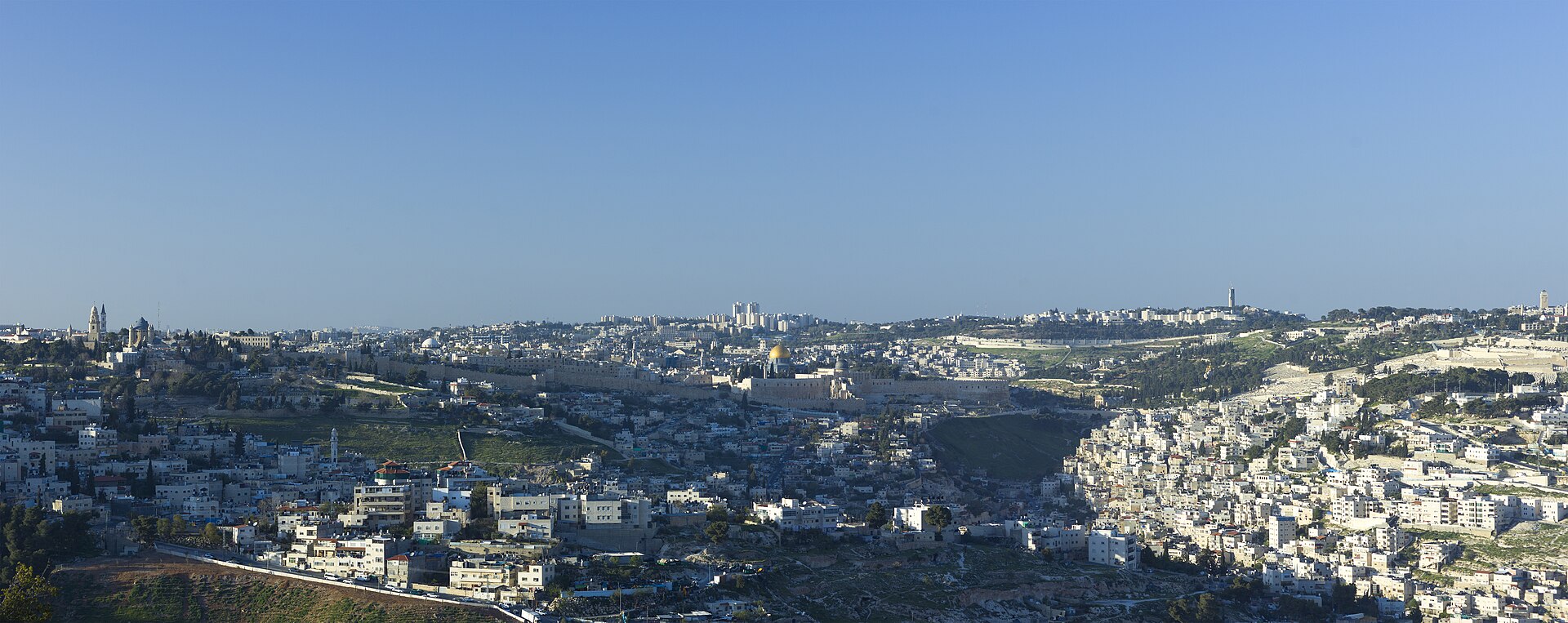
Colombia opened its embassy to Israel in Jerusalem on Wednesday, Oct. 14, a move Jordan, Türkiye and the Palestinian Authority have since condemned as a violation of international law and United Nations resolutions.
Most countries keep their embassies in Tel Aviv, saying the final status of Jerusalem should be settled in Israeli-Palestinian negotiations. Al Jazeera reported that Colombia became the 10th country with an embassy in the city.
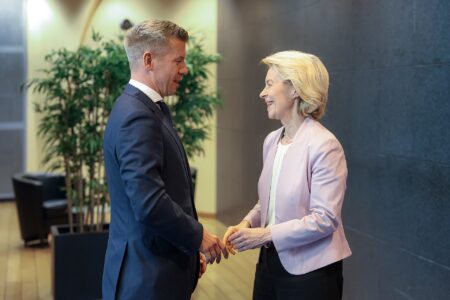
Colombian Foreign Minister Omar Bula Escobar and Israeli Foreign Minister Gideon Saar opened the embassy. Bula Escobar said relations “should never have been broken” and called the opening “a concrete step towards restoring diplomatic relations,” Al Jazeera reported. “Israel is a strategic partner. It always has been, and from now on, it will be an even stronger one,” he said.
Saar, signing the embassy’s guest book, said: “This is an important date for the State of Israel. It’s also an important date for the city of Jerusalem.” The Associated Press quoted him as calling it “a day of celebration for Israel-Colombia relations, and for Jerusalem, our capital.”
The AP reported that Colombia’s Foreign Ministry called the opening a “diplomatic milestone” and that President Abelardo de la Espriella, a conservative, has restored ties his predecessor cut. The AP said Colombia and Israel established relations in 1957. Al Jazeera, for its part, said the embassy opening was a step toward restoring relations and did not report that full ties were back in place.
Former president Gustavo Petro, a leftist, severed diplomatic ties in 2024 over the war in Gaza, accusing Israel of genocide. Israel rejected the allegation. De la Espriella, who was sworn in in August 2026, has made restoring the relationship a priority and has also revived a free trade agreement between Israel and Colombia that Petro ended, Al Jazeera reported. The AP said Colombia appointed Tania Gilinski Bacal as ambassador to Israel in early October.
The Palestinian Authority called the opening “a violation of international legitimacy resolutions” that undermines “the international consensus on the legal status of the holy city,” Al Jazeera reported. Jordan’s Foreign Ministry called it a “violation of international law and relevant international resolutions.”
Türkiye’s Foreign Ministry said on Oct. 15 that it condemned “Colombia’s decision to relocate its embassy from Tel Aviv to Jerusalem,” saying the move violates UN Security Council Resolutions 476 and 478 of 1980 and calling on Bogota to reverse it, according to Hürriyet Daily News. Anadolu Agency reported that Türkiye and 18 other countries’ foreign ministers also condemned the decision; Canada News Media has not read that joint statement. The Organisation of Islamic Cooperation had already condemned Colombia’s plans on July 15, calling them unlawful and urging Bogota to reverse course.
The step puts Colombia in a small group. The United States moved its embassy in 2018 under President Donald Trump, and Al Jazeera listed Fiji, Guatemala, Honduras, Papua New Guinea, Paraguay and Nauru among the few mostly small, U.S.-aligned countries that followed. Kosovo and Somaliland, which are not UN member states, have also opened missions there.
For Canadians, the closest reference point is Ottawa’s own position. Then-prime minister Justin Trudeau said in May 2018 that Canada had “no plans to move” its embassy from Tel Aviv, according to Global News. Canada News Media did not find a more recent statement from the federal government on Colombia’s move. Canada and Colombia have had a free trade agreement since 2011, and Colombian-Canadian communities follow developments in Bogota closely.
The decision also lands as Canada tightens its own Israel policy. Foreign Minister Anita Anand said in September that Canada will ban trade in Israeli settlement goods, with restrictions coming within months.
De la Espriella also faces pressure at home. Canada News Media reported on Oct. 16 that 62,000 people marched in Colombia against him, by his own count. Israel had announced the embassy date on Oct. 9, as we reported at the time.
Jerusalem’s status remains a core unresolved issue. Israel claims the whole city as its capital. Palestinians want East Jerusalem, which Israel captured in 1967 and later annexed, as the capital of a future state, and most of the international community does not recognize the annexation.
If you find reporting like this useful, consider supporting Canada News Media, an independent Canadian newsroom with no corporate parent.
Via the Associated Press, Al Jazeera and Hürriyet Daily News.
Follow Canada News Media
Get the day's top Canadian stories and our two daily 60-second news videos wherever you scroll.
X Threads Facebook Instagram LinkedIn TikTok YouTube Pinterest Reddit Substack Flipboard Newsletter RSS