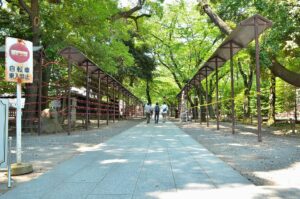


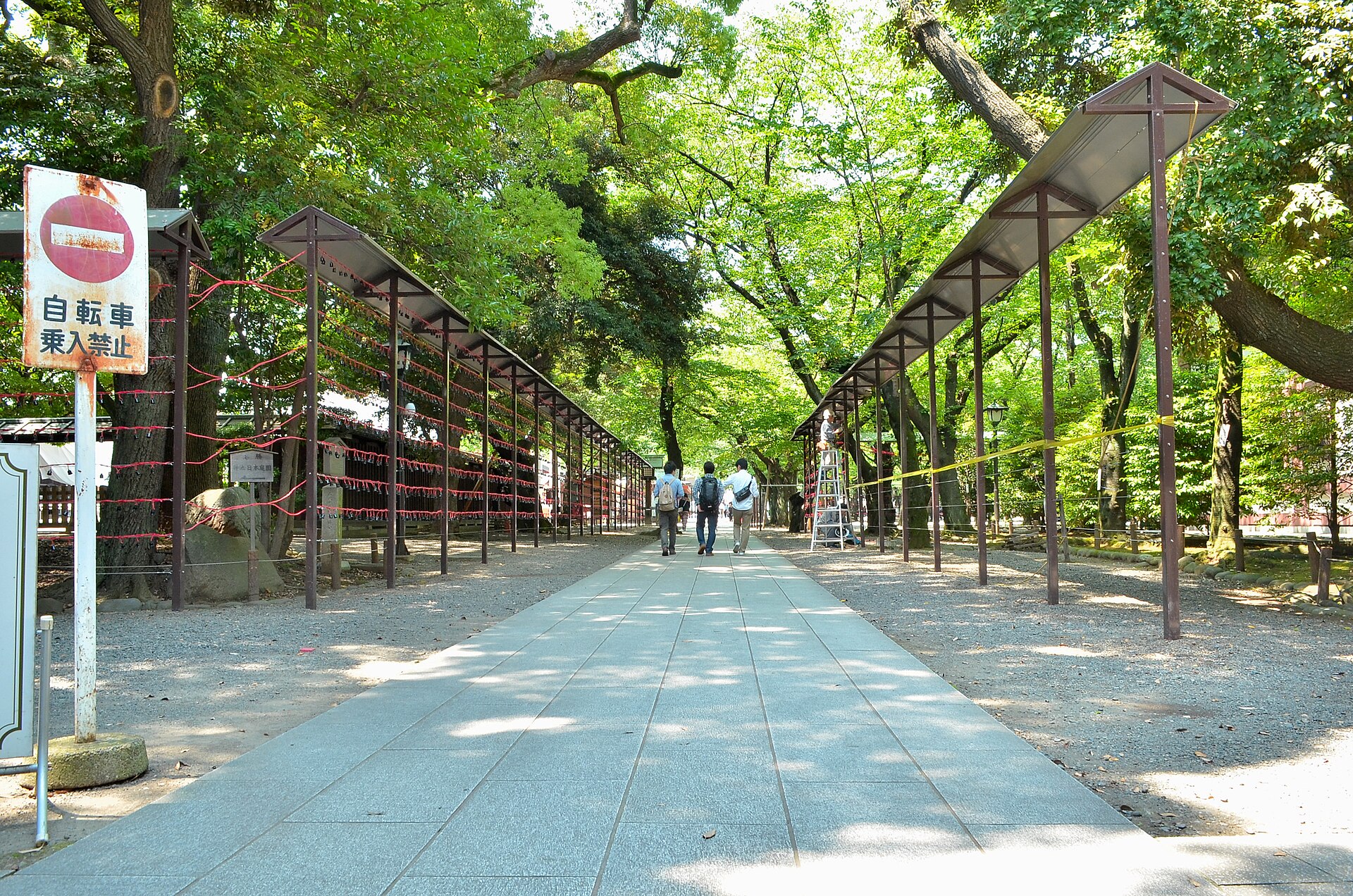
Japanese Prime Minister Sanae Takaichi sent a ritual offering to Tokyo’s Yasukuni Shrine on Saturday, Oct. 17, 2026, to mark the start of its autumn festival, and South Korea’s Ministry of Foreign Affairs said it “once again expresses deep disappointment and regret.”
The shrine honours about 2.46 million Japanese war dead, including 14 Class A war criminals convicted by international tribunals for their roles in the Second World War, the Korea Herald reported. That is why each offering from a sitting Japanese leader draws protests from Seoul and Beijing.
The three-day autumn festival runs through Oct. 19. Takaichi sent the offering, known as a masakaki, under the name “Prime Minister Sanae Takaichi,” the Seoul Economic Daily reported. Kyodo News, citing sources close to her, reported that she does not plan to visit the shrine in person during the festival, the Korea Times said.
Seoul’s response was reported by both the Korea Times and the Korea Herald. The foreign ministry said Japanese leaders have “repeatedly sent offerings to or visited Yasukuni Shrine,” and urged them to “face history squarely” and show “sincere remorse for the past through action.” It called such steps “an important foundation for building a future-oriented Korea-Japan relationship.”
The Korea Times said the ministry described the shrine as one that “glorifies Japan’s past war of aggression.” The Seoul Economic Daily noted that its English text is an AI translation of Korean reporting and may differ from the original wording.
China’s reaction came from a spokesperson for its embassy in Japan, who is not named in the report by CGTN, China’s state broadcaster. The spokesperson condemned the offering and visits to the shrine by some cabinet members and lawmakers, calling it “a symbol of Japanese militarism.” CGTN reported that the spokesperson urged Japan to “exercise prudence” on Yasukuni and take concrete actions to earn the trust of its Asian neighbours. Canada News Media has not independently confirmed which Japanese officials visited the shrine.
No Japanese prime minister has visited Yasukuni since 2013, the South China Morning Post reported, and recent leaders including Fumio Kishida and Shigeru Ishiba regularly sent offerings instead. The Seoul Economic Daily reported that Takaichi visited the shrine regularly before becoming Liberal Democratic Party leader in October 2025, but has not done so as prime minister. It said Kyodo read her decision to stay away as an effort to avoid friction with South Korea, China and others.
The dispute lands in a busy week for Japan’s government. Takaichi’s cabinet lost a minister on Oct. 15 when farm minister Yana quit over road-budget remarks, and Tokyo is also dealing with the case of a Japanese reporter arrested in Russia.
Canada News Media found no comment from the Canadian government on the offering. Canada has sizeable Japanese, Korean and Chinese communities, and wartime history remains a live issue for many of them, but no Canadian reaction had been reported by Saturday.
Japan has not issued a formal response to the Korean and Chinese statements in the reports reviewed. The festival ends Oct. 19, and any visits by ministers or lawmakers during the three days are likely to prompt further statements from Seoul and Beijing.
Via Korea Herald, Korea Times, Seoul Economic Daily, CGTN and the South China Morning Post.
If you find reporting like this useful, consider supporting Canada News Media, an independent Canadian newsroom with no corporate parent.
Follow Canada News Media
Get the day's top Canadian stories and our two daily 60-second news videos wherever you scroll.
X Threads Facebook Instagram LinkedIn TikTok YouTube Pinterest Reddit Substack Flipboard Newsletter RSS