


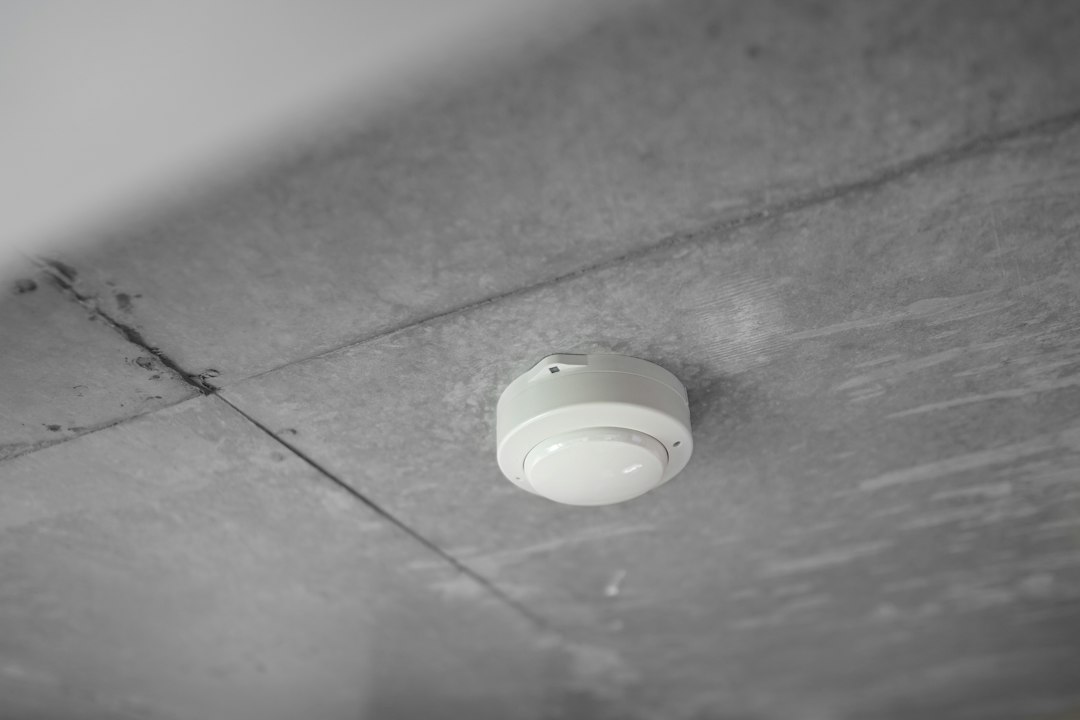
Test your smoke and carbon monoxide alarms once a month by pressing the test button until the alarm sounds, and replace any smoke alarm that is more than 10 years old. Municipal fire officials say working alarms are one of the most useful home safety checks before winter.
The advice comes as furnaces, fireplaces and space heaters go back into regular use. Chief Fire Prevention Officer Ted Posadowski of the City of Kingston, Ont., said in a 2024 Fire Prevention Week notice that “smoke and carbon monoxide alarms save lives, but they must be in working order to keep you and your family safe.”
The steps below draw on guidance from the cities of Toronto, Kingston and Windsor, Ont., and the Manitoba government. Details vary slightly between sources, so the manufacturer’s instructions for your model always come first.
Step 1: Count your alarms and check where they are. Toronto says alarms belong on every level of the home and outside all sleeping areas, and that depending on a home’s age they may also be required inside each bedroom. Kingston recommends a carbon monoxide alarm near where people sleep, and another on every floor for extra protection. Smoke alarms should be mounted on the ceiling because smoke rises, away from bathrooms, heating appliances, windows and ceiling fans, Toronto said.
Step 2: Press the test button. Toronto says to test smoke alarms monthly by pressing the button and listening for the alarm. Windsor Fire and Rescue Services recommends the same monthly test for carbon monoxide alarms, or as the manufacturer directs. If an alarm is silent or weak, replace the battery and test it again. If it still does not sound, replace the unit.
Step 3: Change the batteries. Toronto says regular batteries should be changed twice a year, when clocks change for daylight saving time. Clocks in most of Canada go back on Nov. 1 this year. Manitoba and Windsor both advise changing batteries at least once a year. Some newer alarms have a sealed 10-year battery and need no changes, Toronto said. If an alarm chirps or beeps, replace the battery right away.
Step 4: Clean the alarm. Toronto says not to vacuum electrically connected alarms unless the power is shut off, and to test each unit after cleaning. Follow the manufacturer’s directions for dusting or vacuuming battery-powered models.
Step 5: Check the date. Smoke alarms do not last forever. Toronto, Kingston and Manitoba all say to replace smoke alarms every 10 years. Manitoba says an alarm that gives one beep every minute may be signalling the end of its life, while a chirp once a minute can mean a low battery or a unit that needs replacing. Kingston says carbon monoxide alarms should be replaced every seven years, while Windsor says to follow the manufacturer’s schedule and learn what your alarm’s end-of-life warning sounds like. If you cannot find a date, check the label on the back of the unit and replace it if you are unsure.
Step 6: Know what to do if a carbon monoxide alarm sounds. Windsor says that if anyone has symptoms of carbon monoxide poisoning, get everyone out of the home immediately and call 9-1-1 or your local emergency number from outside the building. If no one has symptoms, check whether the battery needs replacing or the alarm has reached its end of life before calling 9-1-1.
Step 7: Renters should report problems. In Ontario, landlords must keep smoke alarms in operating condition and give tenants a copy of the manufacturer’s maintenance instructions, Toronto said. Tenants must not disable an alarm and should tell the landlord promptly if one is disconnected or not working. Toronto said the same duties apply to carbon monoxide alarms. Rules differ in other provinces, so check with your local fire department.
Replacement alarms should match the type already in your home, whether battery, electrically connected or both, Toronto said. If you are unsure which type you have, or an electrically connected alarm needs replacing, ask a licensed electrician rather than working on household wiring yourself.
Fire departments also recommend a home escape plan, and Manitoba’s Fire Prevention Week page carries the message “Fire won’t wait. Plan your escape.”
If you find reporting like this useful, consider supporting Canada News Media, an independent Canadian newsroom with no corporate parent.
Sources: City of Kingston, City of Toronto, Government of Manitoba, Windsor Fire and Rescue Services.